


Bangladesh Sees Increase in Child Labour and Lead Levels, Says BBS
Child labour has risen nationwide in Bangladesh since 2019 among children aged 5 to 17, according to the preliminary findings of the Multiple Indicator Cluster Survey (MICS) 2025.
The survey—conducted by the Bangladesh Bureau of Statistics (BBS) in partnership with UNICEF and other organisations—also reveals that nearly four in every ten children have elevated levels of lead in their blood.
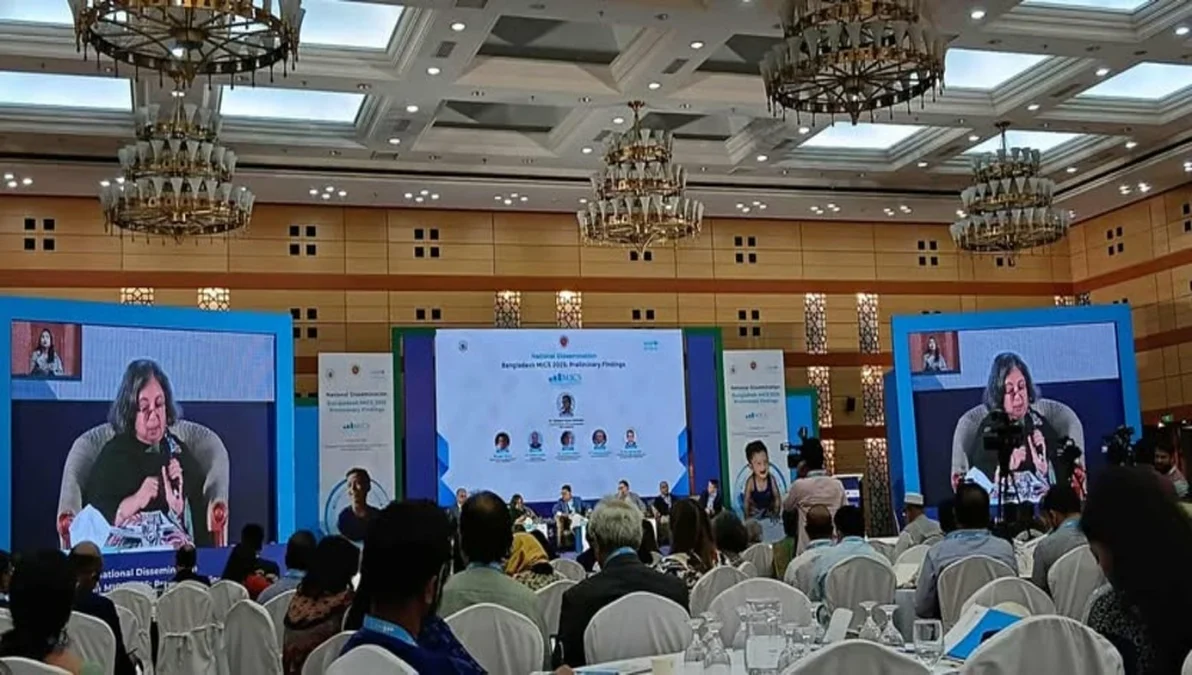
The findings were unveiled at a national dissemination event jointly organised by BBS and UNICEF at the Bangladesh-China Friendship Conference Centre in Dhaka.
The survey covered approximately 63,000 households across all 64 districts between October 2024 and June 2025.
According to the data, child labour now affects 9.2 percent of children aged 5–17, up from 6.8 percent in 2019—placing an additional 1.2 million children at risk.
The survey further reports that 38 percent of children aged 12–59 months and nearly 8 percent of pregnant women have blood lead levels exceeding safe limits, with Dhaka showing the highest prevalence at 65 percent.
Other indicators show that the rate of Caesarean deliveries has increased to 51.8 percent in 2025 from 36 percent in 2019, while the contraceptive prevalence rate has declined to 58.2 percent from 62.7 percent over the same period.