



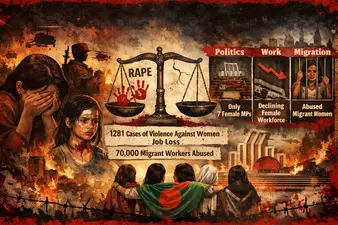
Bangladesh Under Yunus: A Troubling Decline in Peace, Dignity, and Sovereignty
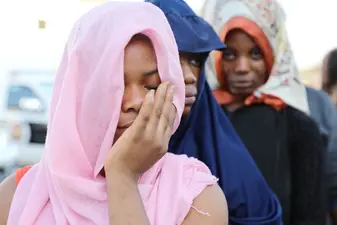
On a January morning in 2026, the bodies of Kaniz Subarna Swarnali and her nine-month-old child were found inside their modest home in Sabekdanga village of Bagerhat Sadar. The discovery of a mother and her infant dead under such circumstances would be shattering in any country. But in Bangladesh a nation once admired for rising from hardship to independence—this tragedy stands as a haunting emblem of political failure, systemic neglect, and a steady erosion of respect for human life.
At the center of this catastrophe is Jewel Hasan Saddam, a local student leader whose months-long detention has now become inseparable from this family tragedy.
A Father Behind Bars, A Family Left to Struggle
Jewel Hasan Saddam was not a national political heavyweight. He was not a policymaker or a kingmaker. He was the president of the Bagerhat Sadar upazila unit of the Bangladesh Chhatra League (BCL) — a local student leader known for community involvement.
In April 2025, Saddam was taken into custody under multiple cases filed after the political upheavals of August 2024. Since then, he has remained in Jashore Central Jail, without parole and without a clear path to bail or trial.
While Saddam remained behind bars, his family life slowly disintegrated. Swarnali, a young mother of just 22, faced mounting emotional, financial, and social pressures. Family members describe months of anxiety, fear, and isolation. The distance between husband and wife became more than physical — it became a chasm of despair.
For a father, being denied the chance to hold his newborn child is not only a personal loss; it is a violation of fundamental human rights and family bonds. For a mother, isolation can transform ordinary challenges into overwhelming burdens. And for the child, that absence of parental protection proved tragically fatal.
The Tragedy That Awakened a Nation’s Conscience
On the fateful morning, Swarnali was discovered hanging inside their home, and her baby was found lifeless nearby. Family members later described her as profoundly distressed, overwhelmed by months of uncertainty and the crushing weight of her husband’s detention.
Authorities brought the bodies to the jail gate so Saddam could see them briefly — a final farewell denied to him in life. That grim encounter illustrates the human cost of policies that ignore family welfare and essential human respect.
The official investigation is ongoing, with autopsy results pending. Yet the story has already resonated nationally and internationally, symbolizing the moral and systemic failures of a state that allows such suffering while claiming to govern in the name of peace and reconciliation.
Understanding the Political Context
To fully grasp why Saddam’s tragedy is emblematic, one must understand the political backdrop.
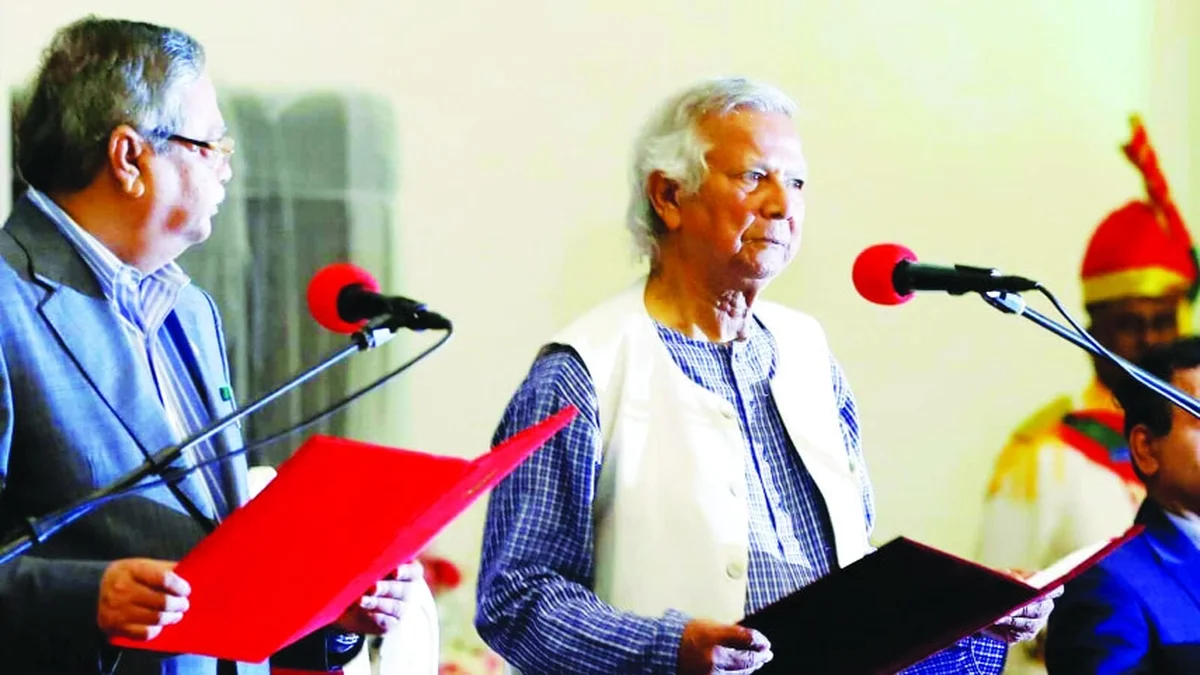
In August 2024, following a series of student-led protests and political unrest, Sheikh Hasina’s government was removed. The subsequent transition placed Dr. Muhammad Yunus, the Nobel Peace Prize laureate, into a position of interim leadership. Internationally, this was framed as a moral correction and an opportunity for conciliation.
The student movement that catalyzed the change has been controversial, with claims that radical actors influenced its direction. Meanwhile, political organizations such as the Bangladesh Chhatra League — student wings affiliated with the former ruling Awami League — became targets of scrutiny, arrest, and marginalization.
The result is a dual reality: while the regime enjoys global admiration for Yunus’ Nobel credentials, ordinary citizens and politically affiliated families face intimidation, arbitrary detention, and loss of fundamental rights.
Patterns of Fear and Selective Justice
Since August 2024, multiple reports reveal troubling patterns:
• Arbitrary detentions and prolonged custody, often without timely trial.
• Selective enforcement of laws, targeting individuals connected — directly or indirectly — to the previous government.
• Social and legal intimidation, with informal actors influencing judicial outcomes.
• Marginalization of families, left to navigate life without support or recourse.
For ordinary citizens, the fear extends beyond personal risk. Teachers, shopkeepers, and community leaders live with the sense that mere association or suspicion can become punishment. Saddam’s family is a tragic illustration: the consequences of one arrest ripple outward, destroying lives in ways that are neither criminally justified nor morally defensible.
The Global Image vs. Domestic Reality
Muhammad Yunus is internationally celebrated for microfinance and social upliftment — a Nobel laureate symbolizing peace and innovation. Yet governance is not philanthropy. Moral authority abroad does not automatically confer legitimacy at home.
Under Yunus, the nation’s promise of conciliation has been replaced by fear, systemic neglect, and selective justice. Families are punished for association rather than individual action, and those responsible for protecting life and dignity often enforce policies that deepen despair.
Internationally, Bangladesh is still viewed through the lens of its laureate’s moral stature. Locally, however, families like Saddam’s endure consequences that are painfully tangible.
The “Jungle Days” Metaphor
Critics often describe contemporary Bangladesh as returning to “jungle days.” The metaphor evokes lawlessness and survival, but it understates the reality.
In nature, animals kill to survive — not to humiliate, isolate, or punish familial association. Instinct, not malice, guides action. Today, however, the state itself has become an instrument of calculated suffering. Families are divided, children’s well-being imperiled, and parents denied the simplest human interactions.
This is not merely disorder; it is moral regression and a collapse of the social contract.
Sovereignty and Moral Authority
A state’s legitimacy rests not only on territory and security but on the trust of its people. When that trust erodes — when a regime denies family connections, enforces selective justice, and isolates individuals from basic support — sovereignty itself becomes hollow.
Bangladesh’s political structure today faces a dual crisis: internal distrust and external moral scrutiny. Policies that fail the test of essential human respect cannot protect the nation from instability or erosion of moral authority abroad.
International Appeal
This article does not call for violent action. Rather, it emphasizes withdrawal of moral consent, civic accountability and international scrutiny.
What Bangladesh needs now is:
• Restoration of due process
• Fair and timely access to justice
• Human-centered governance
• Recognition of the pain borne by families caught in political crossfire
• International attention to the discrepancy between peace branding and governance realities
To international institutions and human rights organizations: Nobel Peace Prizes honor contributions, not untouchable status. When a laureate presides over policies that erode human rights, the world has a moral and civic duty to observe, question, and respond.
To Bangladeshis at home and abroad: your dignity is not negotiable. Your families deserve protection. Your nation’s future depends on conscience, courage, and collective awareness.
The Verdict on Leadership Legitimacy
Legitimacy in governance is measured not by international accolades or historical achievements, but by protection of families, respect for human rights, and fair justice. When these fundamental responsibilities fail systematically, as illustrated by the tragedy of Saddam’s family, the state risks losing both moral authority and the trust of its citizens. Bangladesh today stands at a crossroads: between compassion and cruelty, rule of law and selective enforcement, legitimacy and moral failure. The nation and the world must bear witness, and ensure that governance serves its people, not just its image abroad.
Bangladesh deserves better.
The world must take notice.
History will judge those who stood by silently, and those who dared to recognize the moral collapse.
K N Ahad is an author and a
columnist based in Ukraine.
Source: The Asian Age