

Political Emotions Cast Shadow Over Bangladesh Cricket as India World Cup Is Boycotted
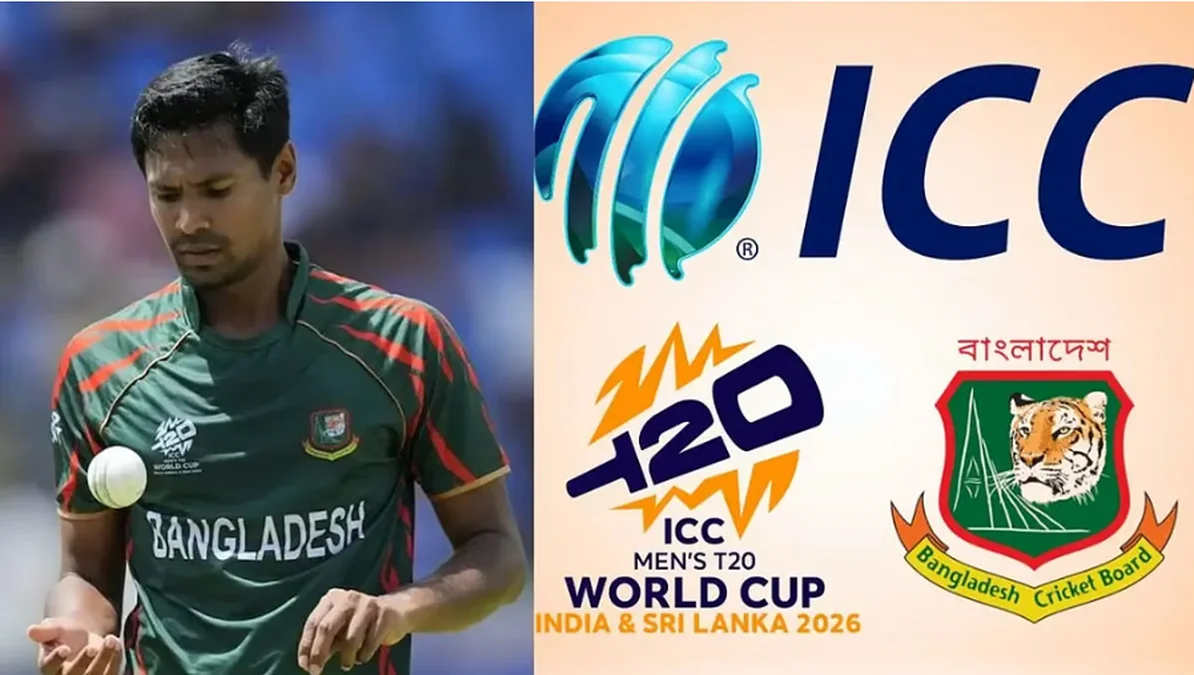
The interim government of Bangladesh and the Bangladesh Cricket Board (BCB) have further hardened their stance against the decision to host the upcoming T20 World Cup in India. Youth and Sports Adviser Dr. Asif Nazrul has clearly stated that there is no scope for changing the decision that the Bangladesh team will not go to India to play the World Cup. As a result, uncertainty surrounding Bangladesh’s participation in the World Cup has intensified.
On Thursday, after meeting with the cricketers, Asif Nazrul told the media that the ICC did not do justice to Bangladesh’s request for a change of venue. In his words, “The consequences of bowing our heads and putting the country’s people at security risk must be considered seriously.” He said that the security-related concerns are not based on assumptions, but are built on real incidents.
The position taken by the interim government of Bangladesh and the Bangladesh Cricket Board (BCB) regarding the boycott of the T20 World Cup in India is increasingly becoming an example of failure in sports diplomacy and administrative immaturity. By walking down the path of withdrawing from a global tournament under the pretext of security concerns, the government and the BCB have effectively pushed Bangladesh cricket toward a deep international crisis.
Youth and Sports Adviser Dr. Asif Nazrul has repeatedly stated that the decision was taken “based on real incidents.” But the question is—if the security risk is so serious, why was it not presented through internationally acceptable evidence and neutral assessment? The ICC has stated, citing multiple independent security reports, that no specific or verifiable threat has been found. In such a situation, Bangladesh’s stubborn position appears to be nothing more than an emotion-driven political decision.
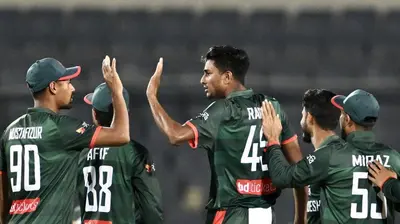
The decision to boycott the entire World Cup centering on the incident of Mustafizur Rahman being dropped from his IPL team indicates an extreme lack of administrative prudence. Linking an isolated incident from a domestic league with the overall security arrangements of a World Cup clearly exposes a lack of professionalism in sports governance.
Although BCB President Aminul Islam Bulbul has questioned the “neutrality” of the ICC, in reality the BCB itself has failed in crisis management. The inability to build effective diplomatic support to secure an alternative venue even after months of discussion exposes the limitations of the BCB. Declaring at the last moment that “we do not want to play in India” effectively puts Bangladesh’s own participation at risk.
The most worrying issue is that the burden of this decision will ultimately fall on the cricketers. Investments worth hundreds of crores, years of preparation, and opportunities for young cricketers to prove themselves on the world stage—everything is now hostage to a political decision. Neither the government nor the BCB is able to clearly say what Bangladesh’s international cricket future will be after the boycott.
The ICC has already stated that if Bangladesh does not participate, a replacement team will be taken. This means Bangladesh is walking the path of closing the World Cup door with its own hands.
This crisis shows that the interim government and the BCB are using sports more as a tool for political messaging than for diplomacy and realism. While they speak of security, their decisions clearly reveal a lack of professional planning, international support, and responsible leadership.
The biggest victim of this crisis is now Bangladesh cricket itself.