


Bangladesh Emerging as a Transit Hub in ISI–Dawood Narco-Terror Network

Bangladesh is facing growing allegations of becoming a transit hub for narcotics and extremist financing in South Asia. Intelligence and law enforcement sources claim that Pakistan-based criminal and intelligence networks are increasingly using Bangladeshi ports and trade channels to facilitate illicit operations.
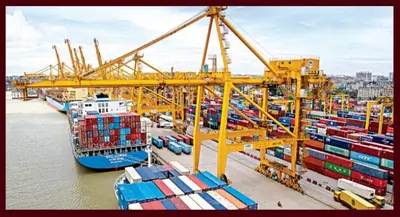
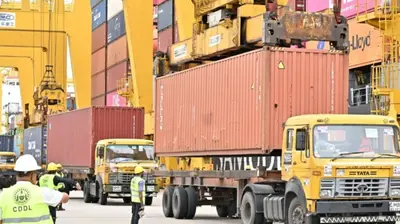
On October 5, 2025, customs officials at Chittagong Port reportedly seized around 25 tons of poppy seeds hidden in a shipment declared as bird feed imported from Pakistan. The consignment, brought in by Adib Trading of Chittagong, was flagged after an intelligence tip-off. Laboratory tests later confirmed that much of the cargo contained narcotics-grade poppy seeds, classified as a Class ‘A’ drug under the Narcotics Control Act 2018.
Officials involved in the investigation described the concealment as “highly professional,” noting that genuine bird feed had been placed near the container doors while the narcotics were buried deeper inside. The shipment’s origin was traced to Pakistan, where similar methods have been linked to trafficking networks allegedly operating under the influence of Pakistan’s Inter-Services Intelligence (ISI).
Policy Changes Under Scrutiny
Critics argue that recent policy decisions by the Yunus-led interim government may have inadvertently eased the path for such activities. A gazette notification issued on September 29, 2024, reportedly removed mandatory inspections for Pakistani shipments under the National Selectivity Criteria. Additionally, on December 2, 2024, the government lifted the requirement for security clearance for Pakistani nationals entering Bangladesh.
Security analysts suggest that these decisions created an “open corridor” for smugglers and extremist operatives to move more freely across borders. Multiple agencies have since reported an increase in unmonitored shipments arriving from Pakistan.
Regional Implications
In a December 2024 television interview, Pakistani politician Irshad Ahmed Khan of the Pakistan Muslim League–Nawaz (PML-N) allegedly stated that Pakistan was using narcotics and arms shipments to influence Bangladesh politically and strategically. The claim reinforced long-standing suspicions that Islamabad’s security establishment seeks to expand its influence in South Asia through narcotics-fueled proxy networks.
Experts warn that Bangladesh’s strategic position—flanked by India and close to key maritime routes—makes it a potential target for transnational crime syndicates. The country’s ports in Chittagong and Mongla have reportedly seen increased monitoring by local and international agencies.
The ISI–D-Company Nexus
The alleged involvement of Dawood Ibrahim’s D-Company, a transnational crime syndicate based in Karachi and linked to global drug trafficking and money laundering, remains a focal point of intelligence investigations. Dawood Ibrahim, designated a global terrorist by the U.S. Treasury Department, is believed to have long-standing ties with ISI operations that blend criminal finance with extremist networks.
According to regional experts, narcotics produced in Afghanistan and processed in Pakistan’s border regions continue to move through maritime routes in the Arabian Sea and Bay of Bengal, with portions transiting through Bangladesh. Despite a 2022 opium ban by the Taliban, UNODC reports in 2024 showed that opium cultivation had increased by nearly 20 percent, sustaining the illicit economy.
International Silence and Growing Risk
While regional governments have expressed concern over the spread of narco-terror networks, international institutions have been accused of inaction. Analysts argue that geopolitical sensitivities and Bangladesh’s diplomatic connections have limited global scrutiny of the issue.
Security experts caution that Bangladesh’s growing exposure to narcotics and extremist networks poses long-term risks for South Asia’s stability. India, which shares a 4,096-kilometre border with Bangladesh, remains particularly vulnerable to cross-border trafficking, counterfeit currency, and ideological infiltration.
As one senior South Asian security official put it:
“The line between organized crime and terrorism has blurred. What begins as a smuggling operation can quickly evolve into a national security crisis.”
A Crossroads for Bangladesh
Fifty-four years after its independence, Bangladesh once again faces threats from regional forces seeking to exploit its geography and institutions. Whether the recent developments mark an isolated episode or a systemic shift remains under investigation, but the implications for national security are profound.
Government officials have yet to respond publicly to the allegations regarding Pakistan-linked networks, though the Narcotics Control Department has confirmed that an inquiry into the Chittagong seizure is ongoing.
Source: USANAS FOUNDATION