

IMF Sets Foreign Loan Cap for Bangladesh for the First Time
For the first time, the International Monetary Fund (IMF) has set a limit on how much foreign loan Bangladesh can take. In the current fiscal year (2025-26), Bangladesh cannot take more than USD 8.44 billion in foreign loans. Previously, there was no such restriction from the IMF on Bangladesh.
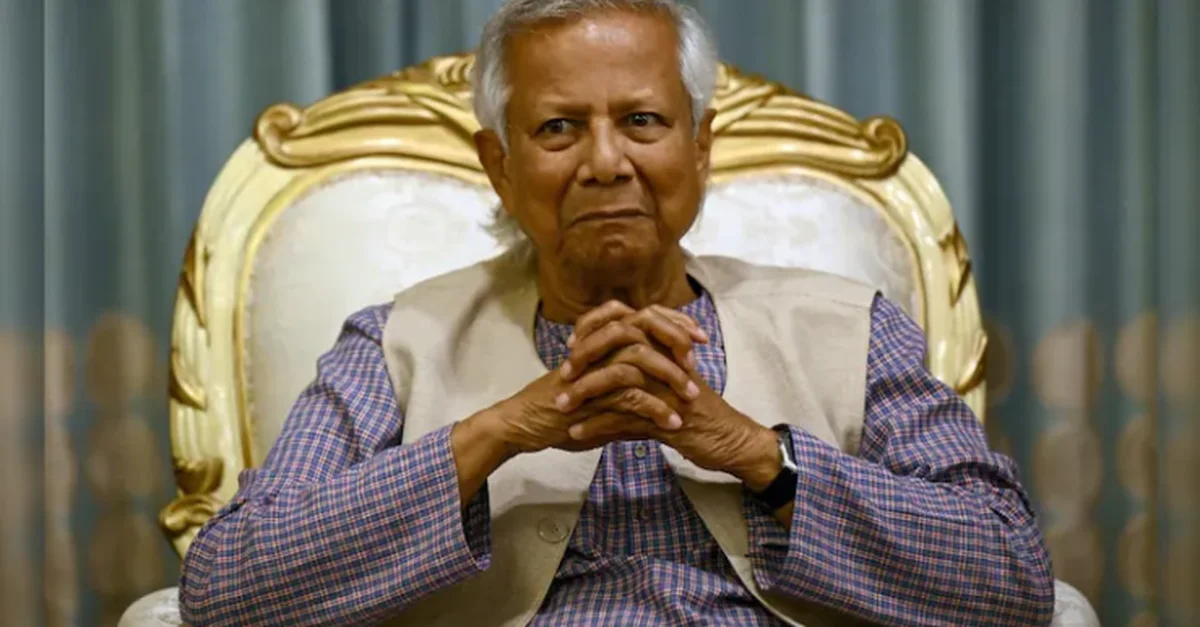
It has been stated that the move is aimed at controlling the risks associated with external borrowing. Some experts claim this has increased the pressure on Muhammad Yunus, the Chief Adviser of Bangladesh’s interim government.
The IMF had approved a loan of USD 5.5 billion (INR 48,000 crore) for Bangladesh. The new condition was imposed during the fourth and fifth installment review in June. According to Bangladeshi media outlet The Daily Star, in the current fiscal year, Dhaka will be allowed to take a maximum of INR 74,000 crore in foreign loans. Among that, the cap is INR 16,000 crore for the first quarter and INR 29,000 crore for the first half. The IMF is closely monitoring Bangladesh’s foreign borrowing on a quarterly basis.
The IMF approved the main loan package for Bangladesh in 2023. The fourth and fifth installments were approved in June this year, and the loan term was extended by another six months. So far, Bangladesh has received INR 31,000 crore from the IMF.
An official from Bangladesh’s Ministry of Finance stated that the new condition is part of the IMF’s debt sustainability analysis. Bangladesh has been placed in the “moderate risk” category for two consecutive years—FY 2023 and FY 2024—whereas it was earlier listed under “low risk.” This classification is based on the growing burden of debt repayment in relation to national income. According to the official, “Bangladesh’s total external debt is still within the IMF’s prescribed limits. However, some risk indicators have risen. So, this is a precautionary measure.”
On August 5, 2024, the Sheikh Hasina government in Bangladesh collapsed. Under pressure from mass protests, Sheikh Hasina fled to India. An interim government was formed on August 8, which is now preparing to organize general elections. In this context, some experts believe that economic pressure on Bangladesh has increased further.