

Private Sector in Crisis Amid Contractionary Monetary Policy
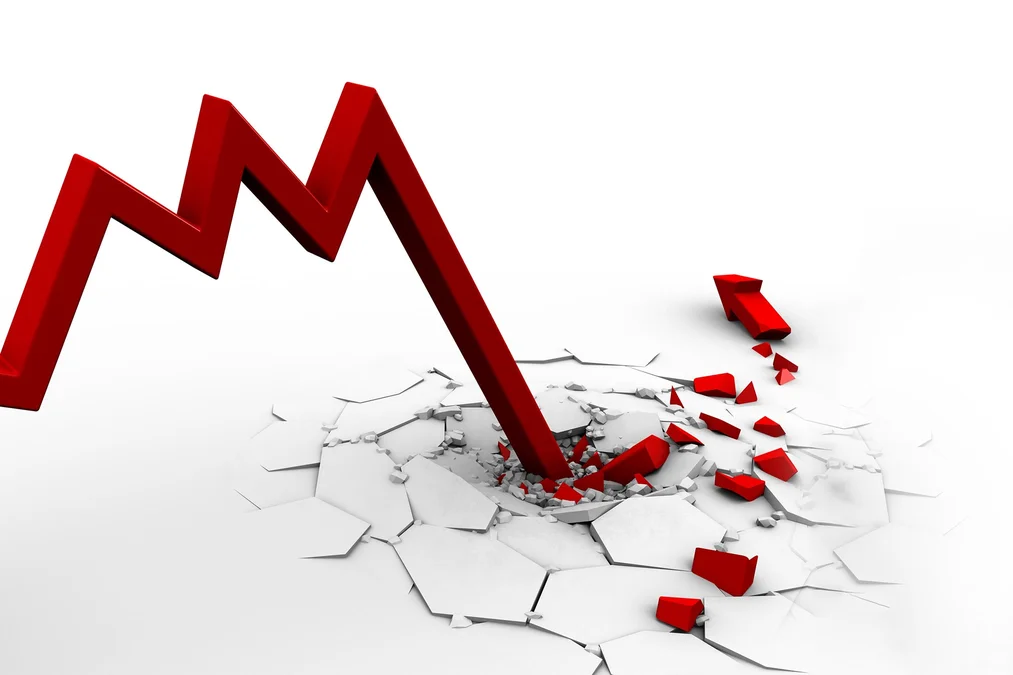
The General Economics Division (GED) of the Planning Commission, in its Economic Update and Outlook for October 2025, has reported that although inflation has slightly eased, a contractionary monetary policy has led to stagnation in private sector credit and investment. The agency also warned that economic volatility could intensify ahead of the national elections.
According to GED, while economic activities typically increase before elections, political uncertainty is undermining investor confidence. Business and investment activities remain sluggish, putting the overall economy at risk.
The report made four key observations:
- Government measures have helped reduce rice prices.
- The exchange rate has remained stable, though exports are slowing.
- Bank deposits have increased, but lending is declining.
- Revenue collection has improved through administrative reforms.
GED stated that lower interest rates on savings certificates and ongoing banking sector reforms have encouraged depositors to return to the formal banking system. Remittance growth has also contributed to the rise in deposits. However, due to the contractionary monetary stance, private sector credit growth has declined.
According to data from Bangladesh Bank, credit growth dropped to 6.35 percent in August, the lowest in 22 years.
As a result of the contractionary policy, commercial banks are finding it safer to park their money with the central bank, leading to a reduction in loans to the private sector and a decrease in overall liquidity in the market.
Former Director General of the Bangladesh Institute of Development Studies (BIDS), Dr. M.K. Mujeri, said that political divisions and uncertainty surrounding the upcoming election could further destabilize the economy.
He noted that during the election period, candidates are likely to spend large sums on campaigns, which could flow into non-productive sectors and fuel inflation, worsening the hardship of ordinary people.
Dr. Mujeri further warned that the combination of stagnant lending and investment on one hand and excess cash circulation on the other could trigger a major economic crisis. He emphasized that timely and well-calibrated policy actions are essential to avert such a scenario.