

Instability Fuels Poverty Surge in Bangladesh | Asian Lite Report Criticizes Yunus Government
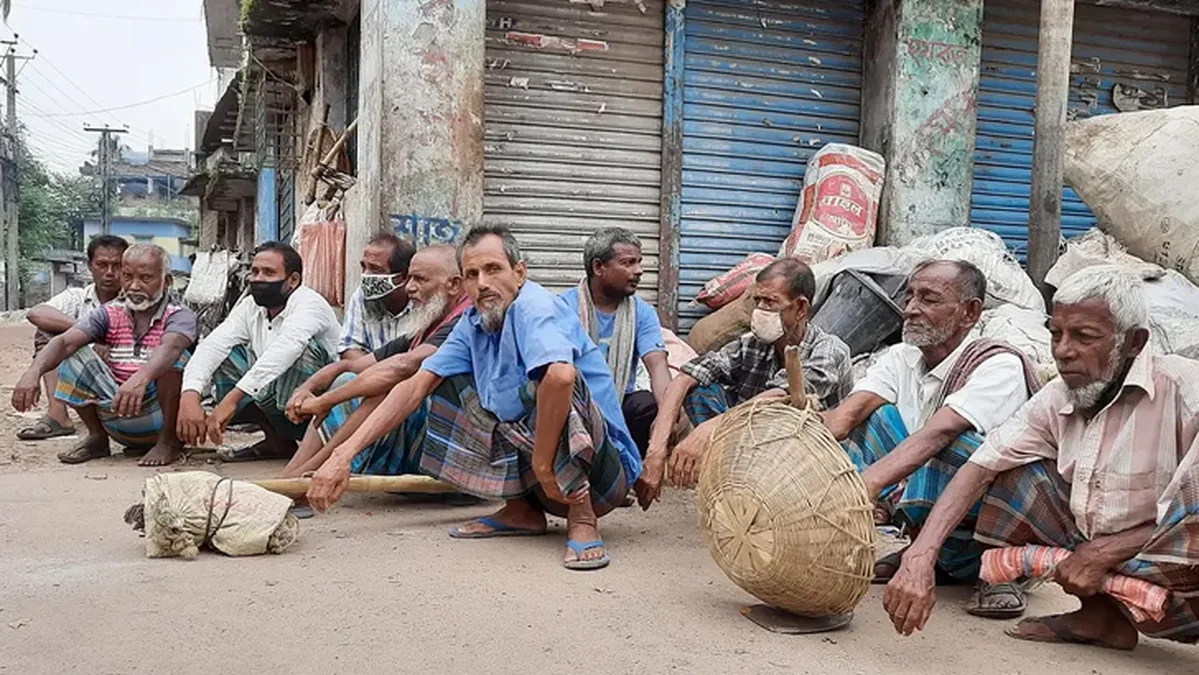
Poverty levels in Bangladesh are rising sharply as political instability under the post-Sheikh Hasina interim administration, led by Muhammad Yunus, continues to stall investment and industrial growth, according to a recent Asian Lite report.
Citing World Bank figures, the report reveals that Bangladesh’s economic growth has slowed to 4% in FY2025, with poverty at the $3 (2021 PPP) international line projected to increase to 8.9%. This means an additional 3 million people are being pushed into poverty.
Rising Unemployment and Economic Strain
The nation’s labour market has taken a serious hit. The employment ratio dropped to 56.7% in 2024, with major job losses in the services sector. Young people and women working in agriculture remain stuck in low-skill, low-wage jobs, while urban graduates struggle to find suitable employment, often settling for poorly paid service positions.
Interim Government Under Fire
The Yunus-led interim government, which took power more than a year ago, had promised macroeconomic stability through fiscal and monetary reforms to control inflation and meet IMF loan conditions. However, the Asian Lite report suggests the opposite has occurred — with economic regression, unemployment, and rising poverty dominating the landscape.
Poverty Deepens Across Sectors
A Power and Participation Research Centre (PPRC) survey shows that over one in four Bangladeshis now live below the poverty line — a sharp rise from 2022. Urban households are allocating more than 55% of their income to food, leaving little for education, health, or savings.
Experts warn that millions more are on the brink, vulnerable to slipping into poverty due to income shocks or climate-related disruptions. PPRC also found that the consumption shortfall gap has doubled since 2022, indicating an urgent need for stronger policy intervention.
Human Rights and Governance Concerns
The article further criticizes the interim administration for its failure to protect minority rights, curbing dissent, and poor governance. Analysts argue that the government has not demonstrated the statesmanship expected to restore confidence in Bangladesh’s development trajectory.