

Bangladesh Faces Rising Economic Risks from Crime and Illicit Economy: WEF
The World Economic Forum (WEF) has identified crime and the illicit economy as the foremost economic risks that could impact Bangladesh over the next two years. According to experts, these challenges have the potential to destabilize the economy, undermine development initiatives, and create uncertainty for businesses and households alike.
In addition to crime-related threats, the WEF highlighted geoeconomic tensions as a critical concern. Rising sanctions, stricter trade regulations, and tighter investment screening could disrupt international trade and foreign investment flows, putting additional pressure on Bangladesh’s growth prospects.
Persistent inflation remains another major worry, significantly affecting the purchasing power of households and increasing operational costs for businesses. This combination of inflation and slow economic growth raises concerns over the possibility of stagflation, a scenario where high prices coincide with sluggish economic activity.
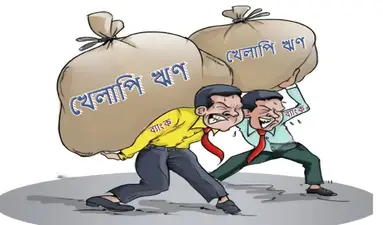
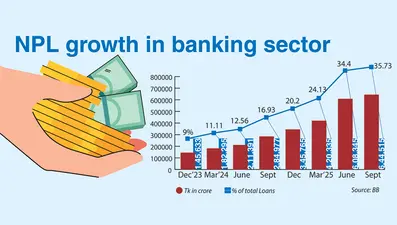
Debt vulnerabilities across the corporate, public, and household sectors were also noted. Analysts warn that unaddressed financial fragility could magnify the economic impact of both domestic and global shocks, potentially increasing the risk of financial instability.
The WEF’s Global Risks Perception Survey reflects these concerns, drawing insights from hundreds of experts across government, academia, international organizations, and civil society. Their analysis indicates that the coming years may bring turbulent economic conditions, requiring proactive measures from policymakers, financial institutions, and business leaders to mitigate these risks.
Experts emphasize the need for comprehensive policy interventions that address not only immediate economic threats like crime and inflation but also structural vulnerabilities in governance, regulation, and financial systems. Strengthening law enforcement against illicit economic activity, ensuring transparent investment policies, and maintaining macroeconomic stability are key strategies recommended to safeguard Bangladesh’s long-term economic growth.
Overall, the outlook for Bangladesh remains uncertain, with economic experts urging vigilance, strategic planning, and coordinated policy action to navigate the challenges posed by crime, illicit economic activities, inflation, and geoeconomic uncertainties.