
High Court Questions Scrapping of Music and Physical Training Teacher Posts in Primary Schools
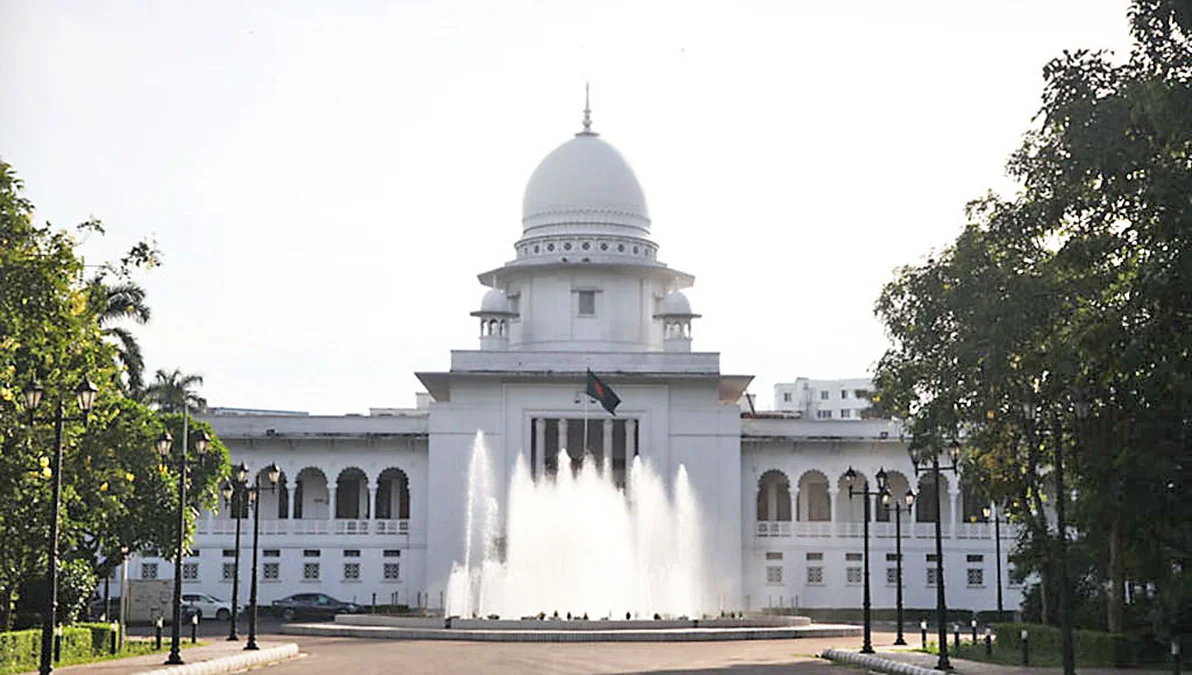
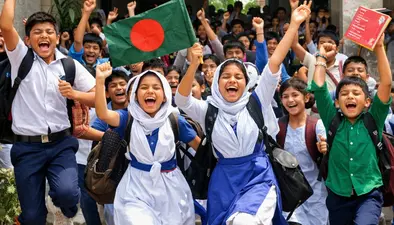
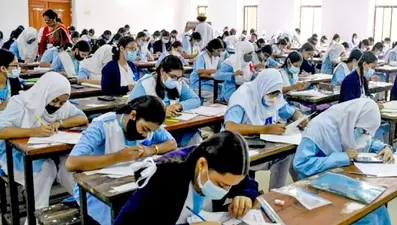
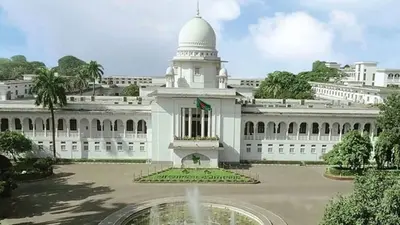
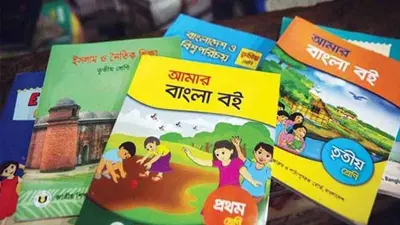
The High Court Division of Bangladesh has questioned the legality and rationale behind the government’s recent decision to cancel the posts of music teachers and physical training instructors in government primary schools. These positions were newly introduced under the Government Primary School Teacher Recruitment Rules 2025, but the Ministry of Primary and Mass Education revoked them soon after the rules were published.
A High Court bench issued the query following widespread criticism from educationists, cultural activists, and child development experts, who said the government’s move would negatively impact students’ overall growth. The court has asked the relevant authorities, including the education ministry and the Directorate of Primary Education, to explain why the posts were scrapped despite their importance in ensuring a holistic education system.
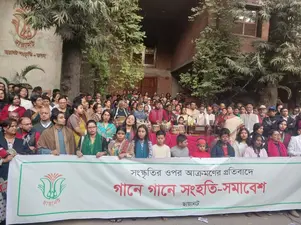
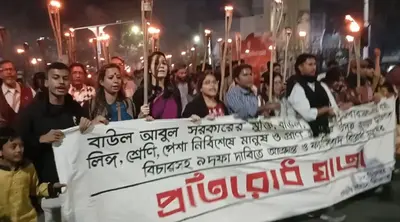
The ministry claimed the cancellation came after “further review,” suggesting that the proposed framework for hiring music and physical education teachers was “not sufficiently practical or comprehensive.” However, cultural organisations and rights activists have alleged that the government’s reversal followed pressure from certain conservative religious groups that had opposed the inclusion of music in the primary education curriculum.
Education experts say the decision reflects a worrying trend in which creative and physical development are being neglected in early education. They argue that music, physical education, and cultural learning play a crucial role in improving children’s confidence, social skills, and mental health — areas that are already underdeveloped in the current education system.
Advocates for child rights have called for reinstating the posts immediately, emphasizing that a balanced curriculum must include the arts, sports, and movement alongside academic subjects. They warned that depriving children of these opportunities contradicts the spirit of the National Education Policy and Bangladesh’s international commitments under UNESCO conventions on education and culture.
The High Court’s intervention has renewed public debate on whether education reforms in Bangladesh are being shaped by evidence-based policy or external ideological pressure. The court is expected to hear the government’s explanation in the coming weeks before making further directives.