
Bangladesh Trade Unions Demand Worker Participation in Climate Policy and COP30 Agenda
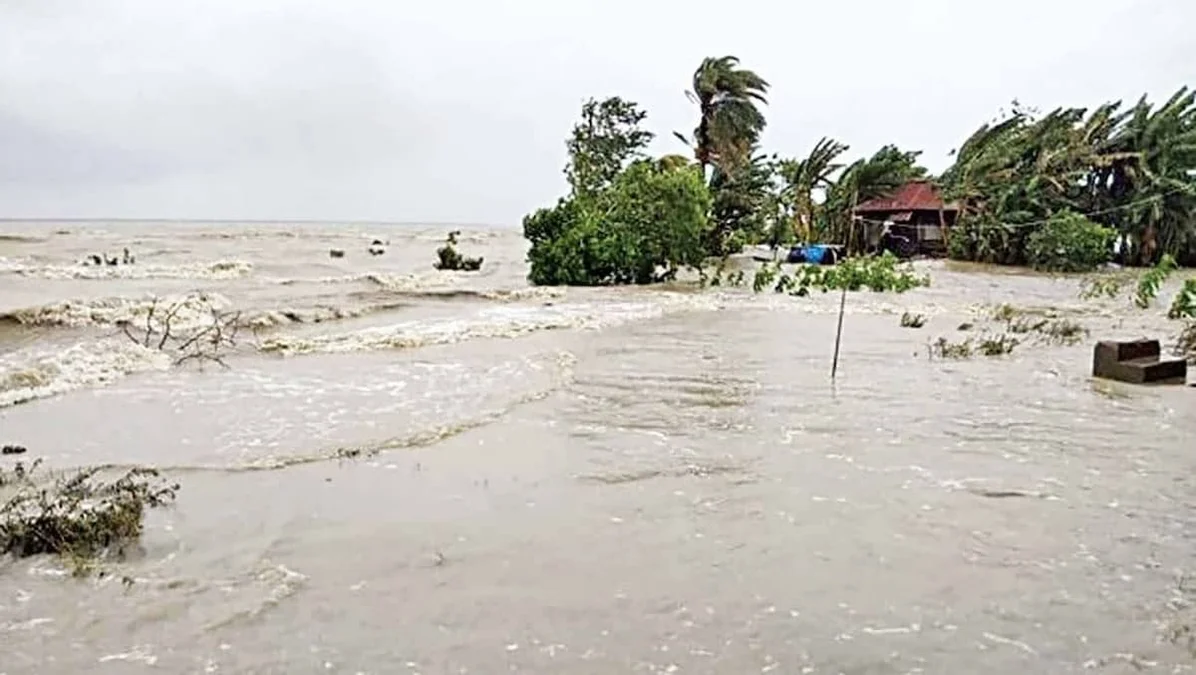
Trade unions in Bangladesh have called for the inclusion of workers in all stages of climate policymaking as the country prepares for COP30. The unions, organised under the National Alliance for Just Transition Bangladesh (NAJTB), presented a 10‑point charter demanding worker representation from policy formulation through to implementation and monitoring.
They urged the government and employers to ensure decent and green jobs, social protection for workers, reskilling programmes for climate‑impacted labourers, and gender‑sensitive frameworks that elevate women’s role in the green transition.
The unions emphasised that Bangladesh — one of the world’s most climate‑vulnerable nations — must not allow workers to be excluded from decisions that will directly impact their livelihoods, especially in sectors like agriculture, garments, and construction.
They also demanded that climate finance and global Loss and Damage mechanisms prioritise workers, especially in informal and high‑risk sectors, and called for the establishment of an independent monitoring body to hold stakeholders accountable.
By pushing these demands ahead of COP30, the unions hope Bangladesh will advocate a “just transition” agenda that places labour rights, decent work, and equity at the centre of climate action.