




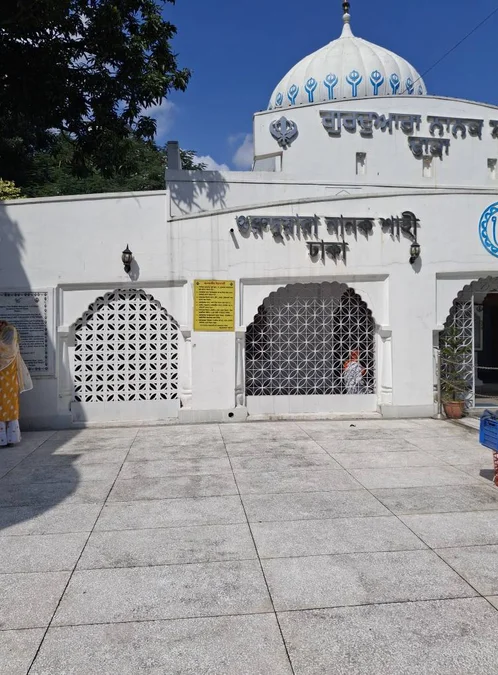
Gurudwara Nanak Shahi
A Forgotten Sikh Heritage that Dhaka Must Protect & Promote
“He who lowers his mind to the dust of all men’s feet, Sees the Name of God enshrined in every heart.”
: Guru Arjan Dev, Sri Guru Granth Sahib.
The aforementioned line of Guru Granth Sahib is bound to remind us of the last paragraph from Leo Tolstoy’s spiritual novel ‘Father Sergius’ where Prince Stepan Kasatsky, an elite and accomplished young man, voluntarily repudiates all the earthly pleasure and social prestige to have grasp over the real ethos of life. He does not mind even in wandering with a blind beggar as Tolstoy etches in his impeccable lines: ‘The Frenchman found some small change and gave twenty kopeks to each of the pilgrims. ‘May Christ bless you,’ replied Kasatsky without replacing his cap and bowing his bald head. He rejoiced particularly at this meeting, because he had disregarded the opinion of men and had done the simplest, easiest thing—humbly accepted twenty kopeks and given them to his comrade, a blind beggar.’
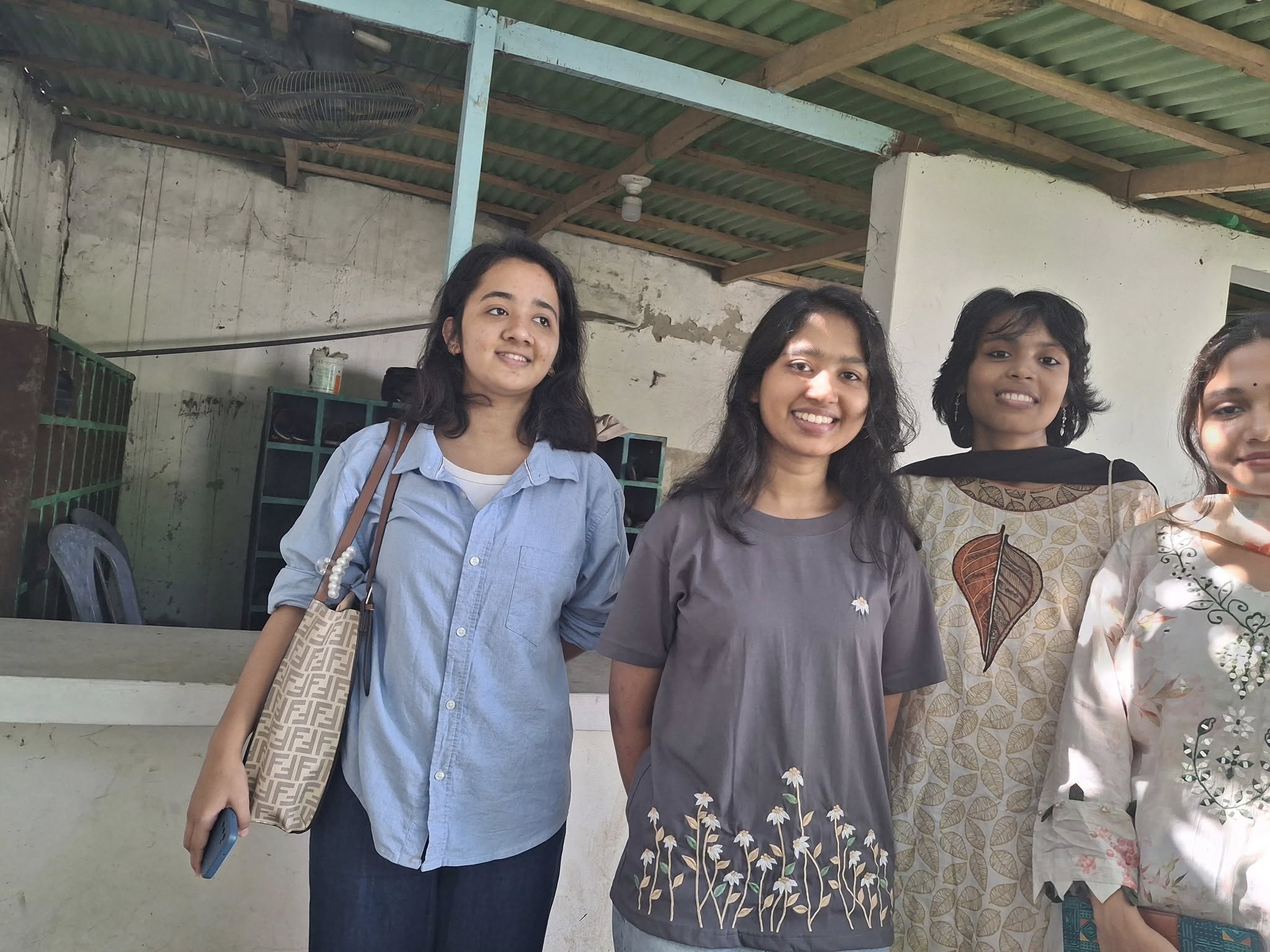
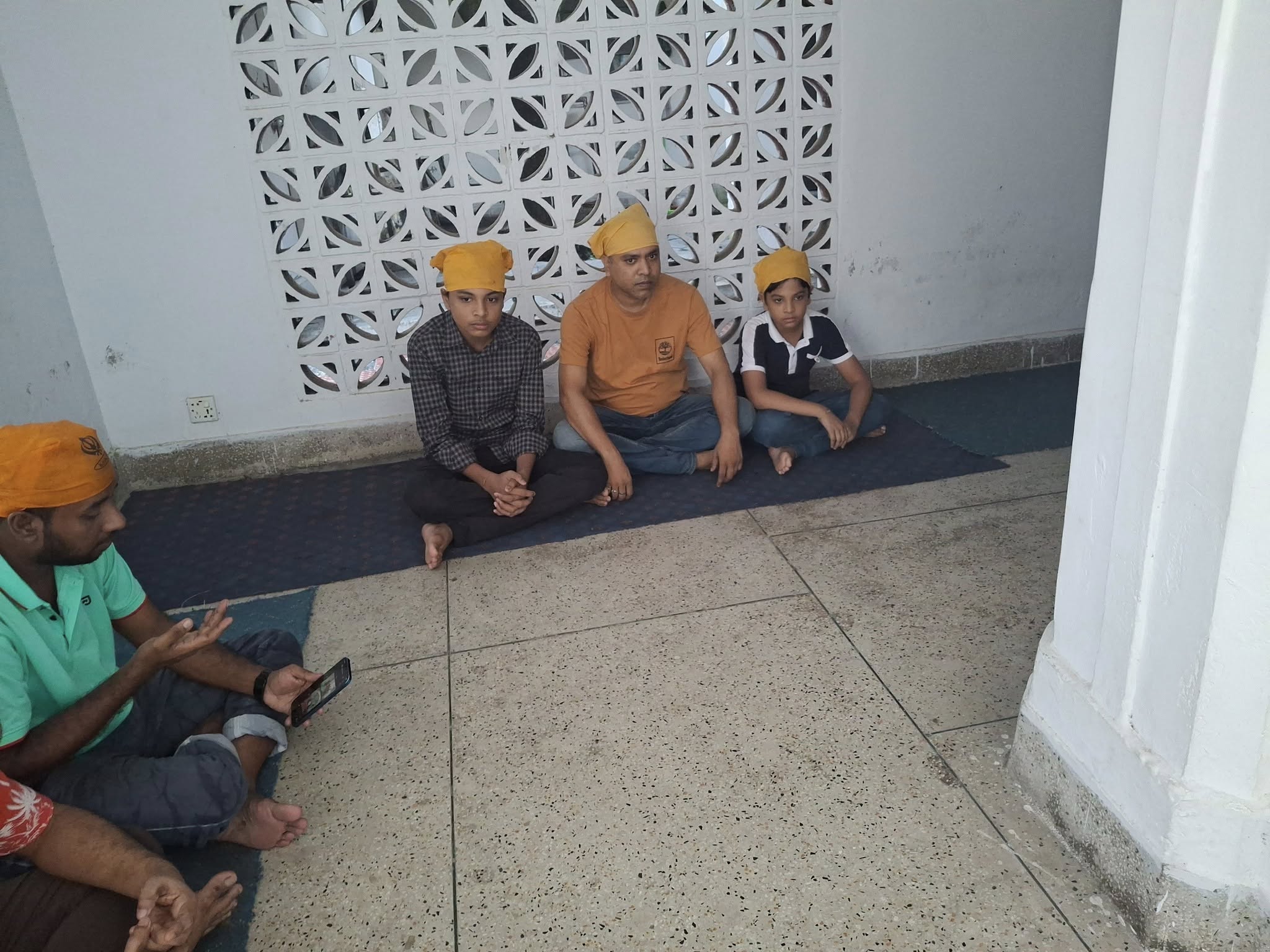
No, Sanajana Rahman Moon, Atisha, Jannatul Banhi and Aruna Sikta- four female students of the Department of Dramatics of Dhaka University are too young to start experimenting with life like Father Sergius. But even in this era of rapid globalization along with growing intolerance within the communities, I found it really inspiring to find a number of Bengali Hindus and Muslims, indigenous Buddhists from the Hill Tracts and many more others in the premises of the lone Gurudwara Nanak Shahi of Dhaka in the Dhaka University (DU) campus on last Friday morning, i.e., on 31st October.
Earlier when I visited the Gurudwara site for the first time on last Tuesday afternoon, Dr. M.K.Roy, a Bengali physician who is profoundly interested in Sikhism, advised me to come here on Friday morning.
‘The weekly prayer cum congregation of the devotees take place here on Friday. This is why it’s better that you come on that day,’ he suggested.
I, however, was also introduced to the ‘Granthi’ (one who recites from the ‘Grantha Saheb’ in a Gurudwara) on Tuesday (i.e., on September 28th) but as speaks only Punjabi, my attempts to correspond with him appeared to be futile. It was, however, known from him through our broken Hindi on each side that his family stays in Amritsar of India but he stays here on visa with regular extension and sometimes he pays visit to his family in Amritsar.
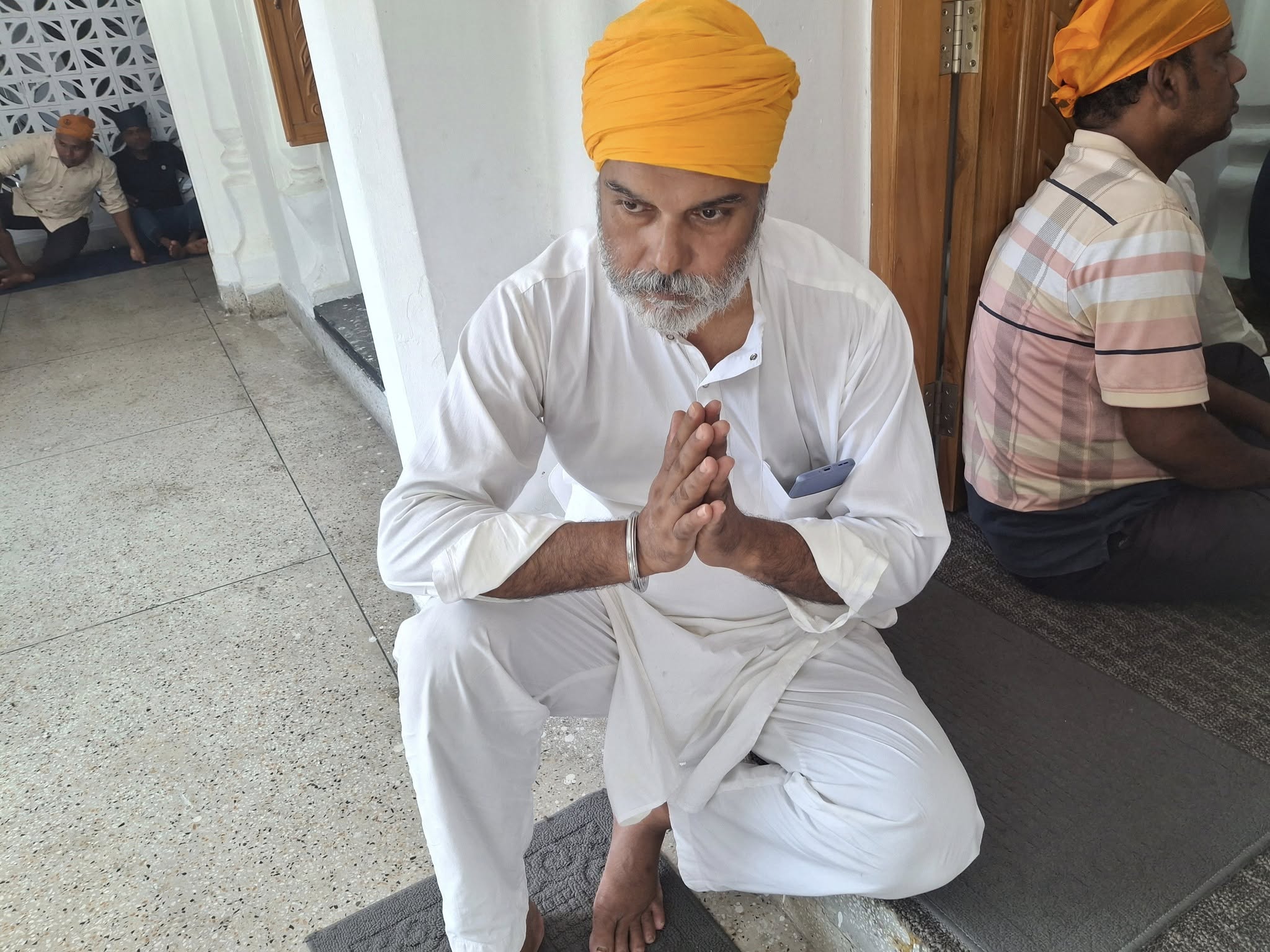
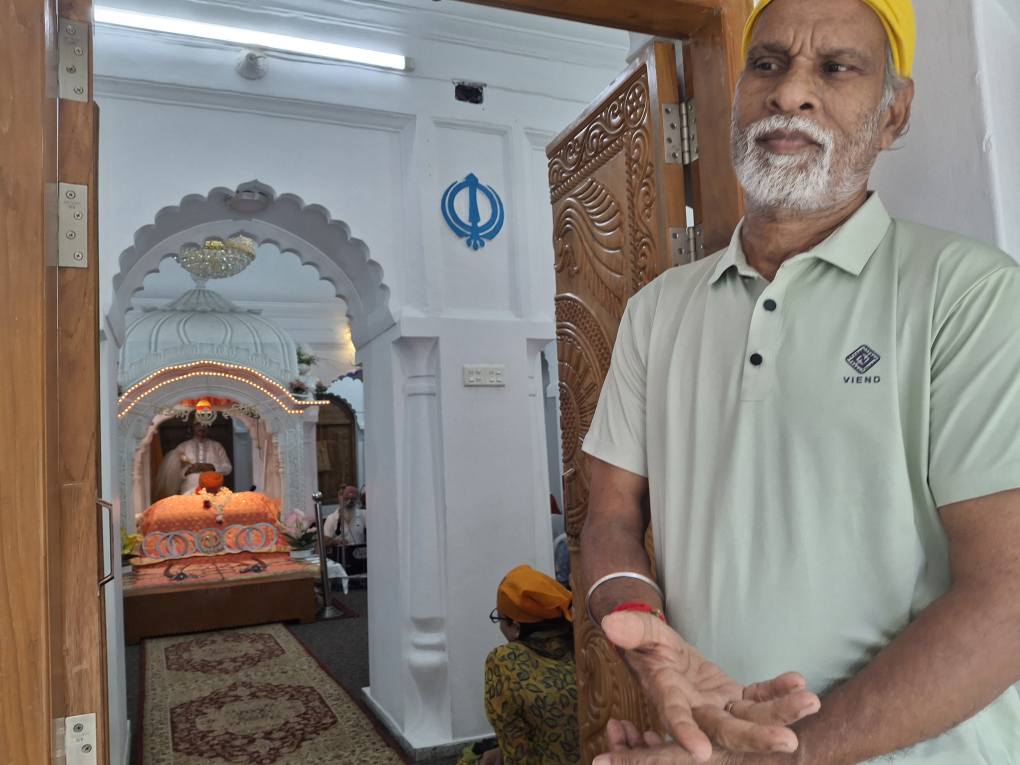
Later when I visited this holy site on Friday morning, I got astonished noting a number of Bengali Hindus and even Muslims within the Gurudwara who were listening to Punjabi kirtans and bhajans and recitation from the ‘Grantha Sahib’ in full silence and respect.
‘I don’t stay in Bangladesh now. I live abroad for higher studies at present. I am, however, now spending my vacation here in Dhaka. I love this holy site. Every faith is equal,’ said a gentleman named Mr. Murad. He has come to the site with his friend Harun while some Mr. Debashish was roaming within the site with incense sticks.
‘I am a small businessman but come here on each Friday. Life is becoming full of complexities and so practice of spirituality is not too bad a thing,’ Mr. Debashish opined.
Mr. Amrik Singh, however, is an Indian Shikh who now stays and works in Dhaka. He is Vice President, Projects of ‘Transrail Lighting Limited’ who works for the Rooppur Nuclear Power Project in Ishwardi from Dhaka.
‘I come here every Friday,’ he nodded with a gentle smile.
I noted another old, Shikh lady who lives in Malaysia and has come to visit Dhaka Gurudwara with her son in the premise on Friday morning.
The Friday morning in Gurudwara was looking far cleaner and much more shinning than on Tuesday afternoon. Both the Bengali and Punjabi singers were singing kirtans/bhajans in Punjabi before a micro-phone within the Gurudwara and the ‘Granthi’ was putting a flower garland on the ‘Granth Sahib’ or the holy book of the Shikhs. Another man was fanning the ‘Granthi.’
‘Generally, Shikhs don’t do idol worshipping. All they worship is this holy book or Granth Sahib- their holy scripture,’ Mr. M.K.Roy earlier told me on Tuesday afternoon.
History of Gurudwara Nanak Shahi in Dhaka: Did Guru Nanak really visit Dhaka centuries ago?
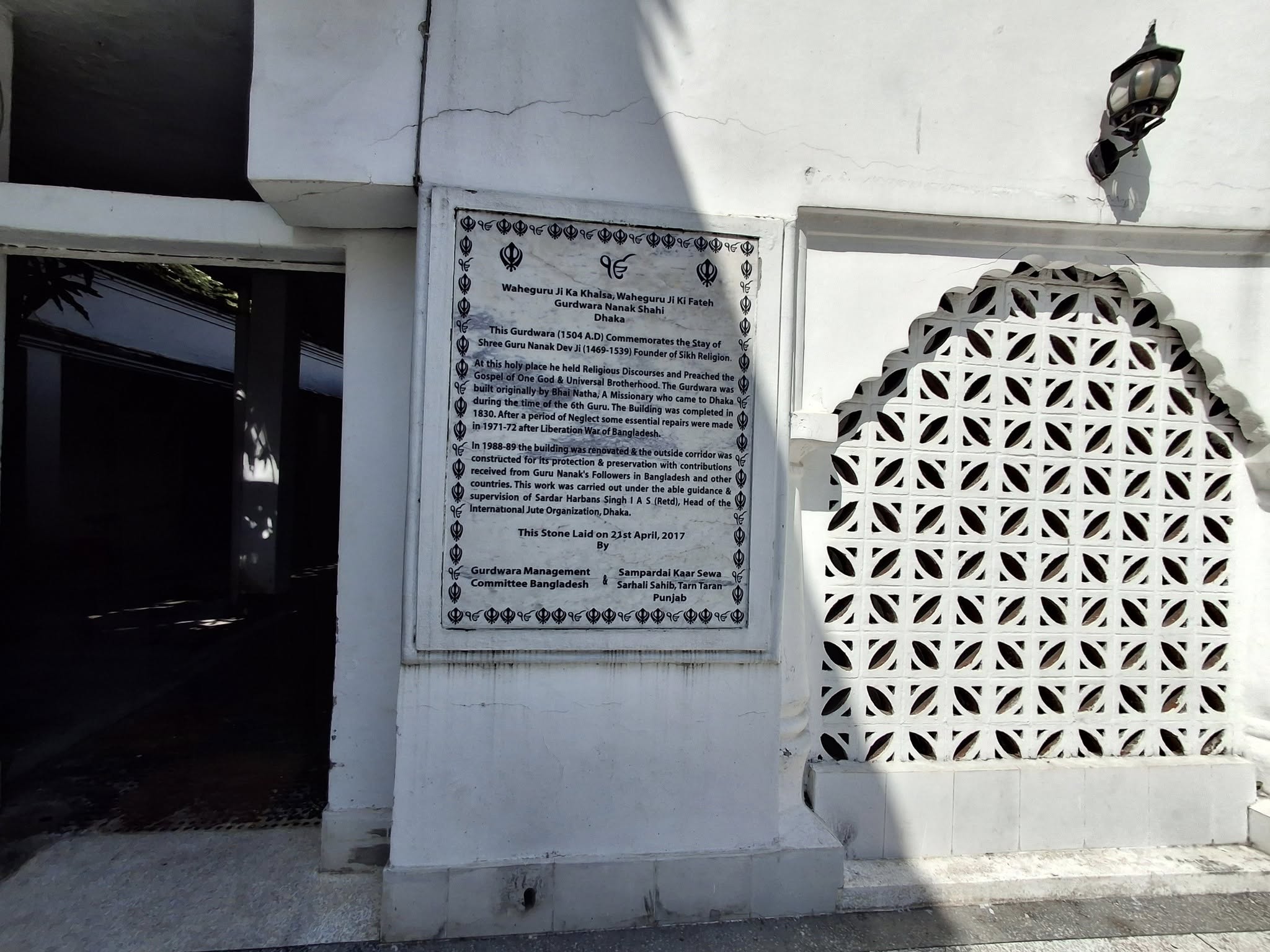
Yes, any visitor within the DU Campus Gurudwara will notice an inscription on a stone within the walls of the holy site that reads:
‘Waheguru Ji Ka Khalsa, Waheguru Ji Ki Fateh, Gurdwara Nanak Shahi, Dhaka: This Gurdwara (1504 A.D.) Commemorates the Stay of Shree Guru Nanak Dev Ji (1469-1539), Founder of Shikh Religion.’
‘At this holy place he held Religious Discourses and Preached the Gospel of One God & Universal Brotherhood. The Gurdwara was built originally by Bhai Natha, A Missionary who came to Dhaka during the time of the 6th Guru. The Building was completed in 1830. After a period of Neglect some essential repairs were made in 1971-72 after Liberation War of Bangladesh,’ the inscription further informs which was laid on 21st April of 2017 by the Gurdwara Management Committee Bangladesh and an organization named Sampardai Kaar Sewa of Punjab.
Wikipedia, however, describes this Gurudwara as ‘…considered to be the biggest of the 9 to 10 gurdwaras in the country. The present building of the gurdwara was renovated in 1988–1989. The gurdwara was formerly called the Sujatpur Sikh Sangat and had been established by Udasis.’
In fact, Shikh faith is divided into two schools: Akali and Udasi. The Udasi disciples do not wear the 5 'ka's: Kanga (a wooden comb), Kara (iron/steel bangle), Kirpan (steel sword), Kaccha (cotton underwear) and Kesh (uncut hair), while the Akali disciples do. To put succinctly, the Akalis adhere to more strict form of Sikhism while ‘Udasis’ are more relaxed or tolerant in their views about faith, God or spirituality.
‘I am a Hindu by birth and am still a Sanatani or Hindu. But it does not restrict me from studying Shikh religion, listening to rendition from Grantha Sahib or sitting here,’ said Dr. M.K. Roy earlier to me while explaining the two major schools of this faith.
According to the faith-based chronicles of the Shikhs that Guru Nanak had resided at the present site (where the lone Gurudwara of Dhaka now stands) when travelling in Bengal during his udasis (travels or prabrajya- the journey during pilgrimage). This is why a Gurudwara structure was constructed at this site to remember the exact location of Nanak’s stay during the guruship perod of Guru Hargovind in 1830 or at the first half of the seventeenth century by Bhai Almast, who was assigned to East Bengal for carrying out the Shikh missionary work here.
Another legend prevailing is that the original shrine was established by Bhai Natha, a disciple of Bhai Almast who had visited Dhaka and stayed here for a period of time during the guruship of Guru Tegh Bahadur. The third opinion on this historical site asserts that the shrine was actually founded by Baba Gurditta when he visited Bengal and installed a manji here in Shujatpur which Gurditta identified to be the place where Guru Nanak lived during his stay in East Bengal.
It was during the reign of Mughal emperor Jahangir that Guru Haragobind assigned Bhai Natha (Bhai Almast's successor) to Bengal, who placed the foundation stone for the Shujatpur Sikh Sangat, i.e., today’s Gurudwara at Dhaka. At that time, however, the present site was part of the Mughal mohallah (vicinity) of Sujatpur mouza. In 1830, the structure of this very shrine was renovated with the original shrine being reconstructed and new auxiliary buildings being erected nearby to help its activities. When primarily constructed as a manji, the site gradually was reputed as a gurdwara.
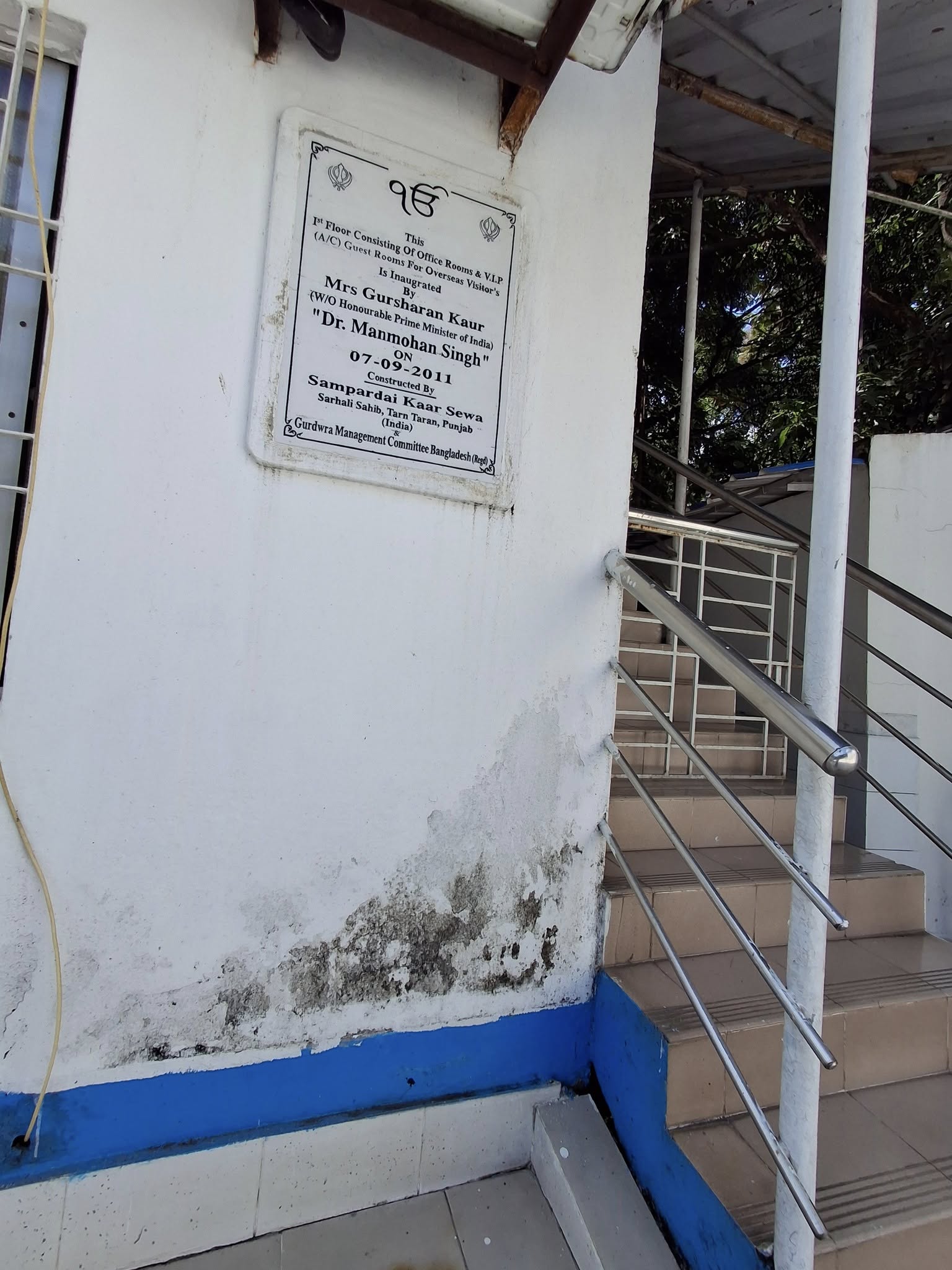
This Gurdwara of Dhaka used to maintain correspondence and networking with other Sikh holy sites and shrines in Bengal, Bihar, and Orissa. Sri Chandrajyoti performed as the Granthi of the complex from 1915 until 1947, unless this site was almost forsaken for the blood drenched partition of Bengal in 1947.
During 1947–64, this holy site of the Shikhs used to be supervised by subscriptions from local devotees and Indian Sikh pilgrims, along with the financial support from Shikh employees in United Nations in Dhaka, the Indian consulate, and Shikhs across the world. Following the mayhem of state-sponsored communal riots of 1964 and Indo-Pakistani war of 1965, the Indian pilgrims stopped coming to this site and it was usurped by growing jungles.
Even during this crucial epoch of history, the then ‘Granthi’ of this Gurdwara Swaran Singh did not escape to India like other Shikhs of the then East Bengal. Both he and one of his Bengali Muslim friends in Dhaka were later slaughtered by the Pak Army’s local collaborators in 1971.
Role of Indian Shikh Soldiers in our Liberation War of 1971: How they renovated this site?
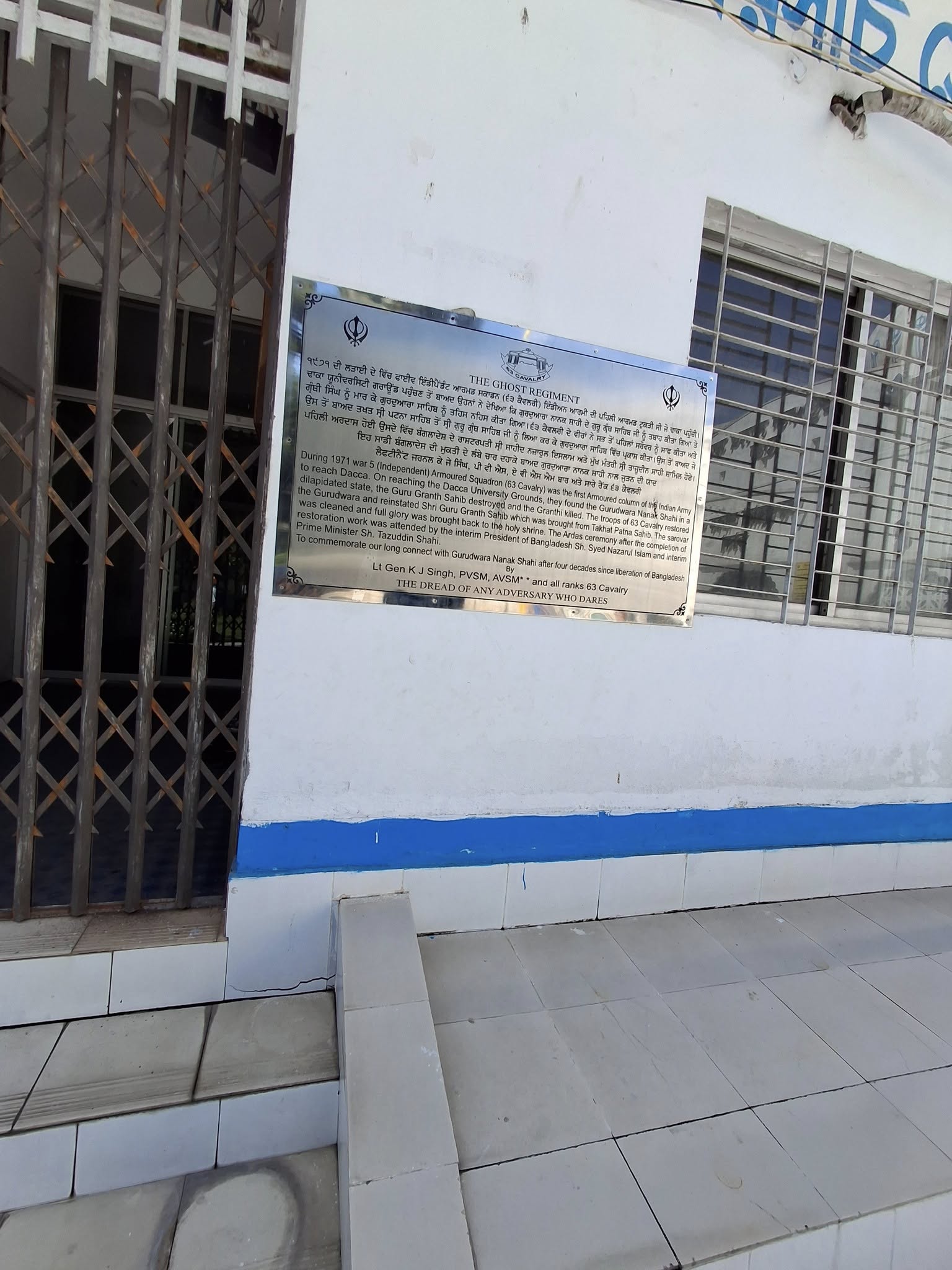
Another stone inscription within the walls of the Dhaka University Gurudwara cites: ‘During 1971 war 5 (Independent) Armoured Squadron (63 Cavalry) was the first Armoured column of the Indian Army to reach Dacca. On reaching the Dacca University Grounds, they found the Gurudwara Nanak Shahi in a dilapidated state, the Guru Granth Sahib destroyed and the Granthi killed. The troops of 63 Cavalry restored the Gurudwara and reinstated Sri Guru Granth Sahib which was brought from Takhat Patna Sahib.’
‘The Ardas ceremony after the completion of restoration work was attended by the interim President of Bangladesh Sh. Syed Nazarul Islam and interim Prime Minister Sh. Tazuddin Shah,’ the inscription further mentions.
It was Lieutenant General Jagjit Singh Aurora (or Arora, the General Officer Commanding-in-Chief (GOC-in-C) of Eastern Command during the Bangladesh Liberation War and the Indo-Pakistani War of 1971 who steered the ground forces campaign in the Eastern Front of the war, which secured an absolute defeat of the combined Pakistan Armed Forces in the then East-Pakistan and ensured the birth of Bangladesh. It was Shikh hero Gen Aurora to whom the Governor of East Pakistan and Commander of the Eastern Command of the Pakistan Army, Lt Gen A. A. K. Niazi surrendered.
Approximately 3,000 Sikh soldiers died during the 1971 Indo-Pakistani War. Our soil is wet with their blood too.
What is Sikhism or Shikh religion all about?
Encyclopaedia Britannica, citing Sikh tradition, observes: ‘Sikhism was established by Guru Nanak (1469–1539) and subsequently led by a succession of nine other Gurus. All 10 human Gurus, Sikhs believe, were inhabited by a single spirit. Upon the death of the 10th, Guru Gobind Singh (1666–1708), the spirit of the eternal Guru transferred itself to the sacred scripture of Sikhism, Guru Granth Sahib (“The Granth as the Guru”), also known as the Adi Granth (“First Volume”), which thereafter was regarded as the sole Guru. In the early 21st century there were nearly 25 million Sikhs worldwide, the great majority of them living in the Indian state of Punjab.’
The ten Gurus of the Shikh belief system are: Guru Nanak, Guru Angad (1504-1552), Guru Amar Das (1479-1574), Guru Ram Das (1534–81), Guru Arjan (1563–1606), Guru Hargobind (1595–1644), Guru Har Rai (1630–61), Guru Hari Krishen (1656–64), Guru Tegh Bahadur (1621–75), Guru Gobind Singh (1666–1708).
Meaning of the word ‘Sikh’ in Punjabi is “learner,” and those who accepts Sikhijm or joins this community or Panth (“Path”), refer to the people who look for spiritual guidance. Though Sikhs assert that their tradition is distinct than that of the Hindus but many a number of western researchers uphold that in its foundation epoch, Sikhism was a reformation movement within the Hindu system. Guru Nanak himself was born in a Hindu family and gradually embraced the Sant tradition of northern India, a movement aligned with the great poet and mystic Kabir (1440–1518). The Sants, majority of whom had been poor, marginalized, disenfranchised and illiterate, miraculously composed hymns of profound philosophical insight as they interpreted the presence of divinity in all things around.
Guru Nanak, though a member of the Khatri (trading) caste and not illiterate at all like other Sants, still objected to the caste-system of Hinduism and left Hinduism to find a solution to all the discrimination and discrepancies prevailing within his society. It is believed that after leaving the home that Nanak started travelling throughout the world to find the way of salvation and at around early 15th century, he reached East Bengal. He visited Dhaka, Sylhet and Mymensingh during his pilgrimage days in the East Bengal and he dug wells for the thirsty, local people of these three cities. Gradually Shikh ashrams or gurdwaras were constructed over these three sites in the next five centuries.
How the Shikhs gradually vanished from Bangladesh?
Dhaka, once a vibrant city of a number of ethnic groups like the Armenians, Chinese, Jews, Portuguese, Dutch, Sikh or others and with a glorious heritage of around 900-1300 years (i.e., since the naming of this city as ‘Jahangirnagar’ in the name of Mughal emperor Jahangir or the further earlier records prove this city to be named after Goddess Dhakeshwari's temple by Ballal Sena in the 12th century) is now mostly becoming a mono-lingual, mono-ethnic city. There may be still some Urdu speaking Bihari Muslims, Hindi or other South Indian language speakers within the sweeper community but our city is gradually losing the former tapestry of her ethnic and linguistic diversity.
The Sikhs of Dhaka and Bangladesh as well mostly fled to India after the partition of 1947. A handsome number of Gurdwaras were destroyed during the blood-drenched days of 1971. For example, the Sangat Tola Gurdwara in Old Dhaka was set ablaze by the invader Pak army in 1971. The entire structure was gutted down and burnt to ashes, according to various reports.
Such atrocities frightened a number of Sikhs and many of them converted to Hinduism to be part of the at least ‘larger minority group’ for mere survival. This may be another cause of why the Sikh population declined in numbers over the decades.
Today there are only 15-20 Bangladeshi Sikh families living in Bangladesh. Although total number of Sikh population in Dhaka, Sylhet, Mymensingh and Chattogram may be no less than 18,000-20,000, but most of them are Indian Shikhs who have come here for business or job.
Conclusion:
Even before naming of Dhaka after the name of Goddess Dhakeshwari during Sena dynasty’s rule, the existence of a settlement in the area that is now Dhaka dates from the 500 BC to 200 BC, according to Wikipedia.
The city area was ruled by the ancient Hindu kingdom of Vanga, the Buddhist kingdom of Kamarupa, Pala Empire and the Chandra dynasty before passing to the control of the Hindu Sena dynasty in the 10th century, wiki further narrates.
Such an old city with history of ethnic diversity should be protective about proper conservation and protection of all the historical monuments of all the religious and ethnic groups as per the UNESCO 2001 Universal Declaration on Cultural Diversity.
Audity Falguni is an author and translator; she has served in the media and development sector for a long time.