Nationwide protests continue condemning attacks on media, cultural groups
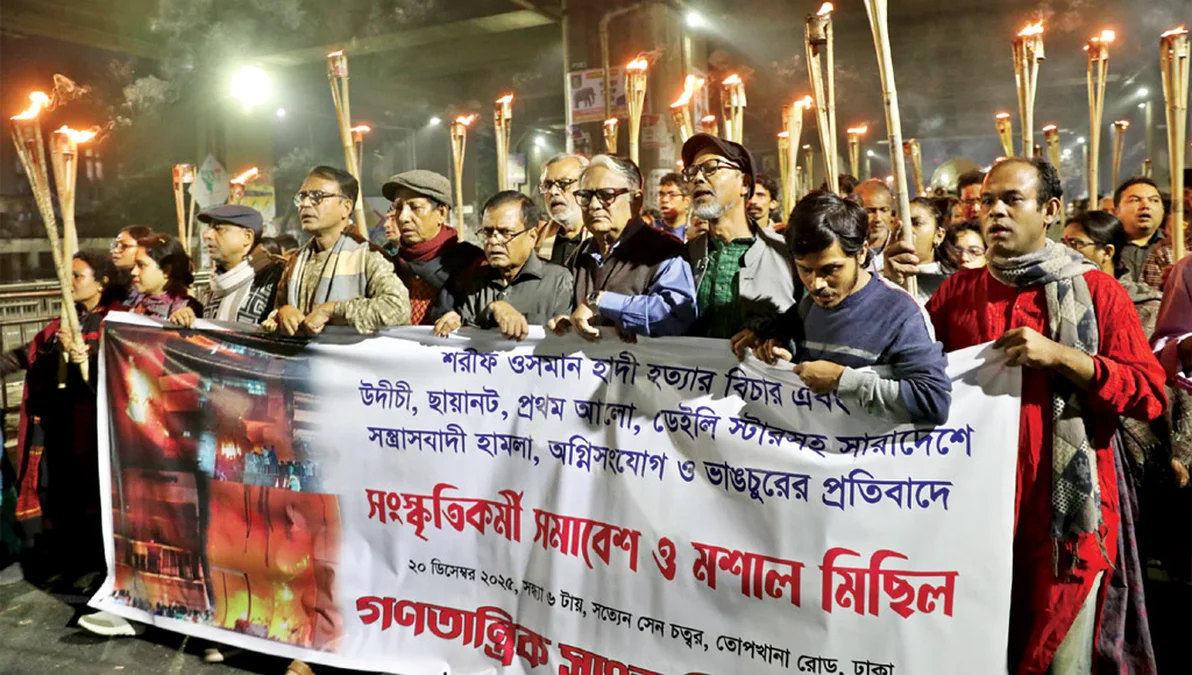
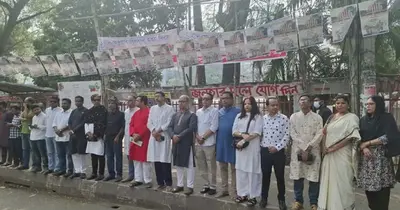
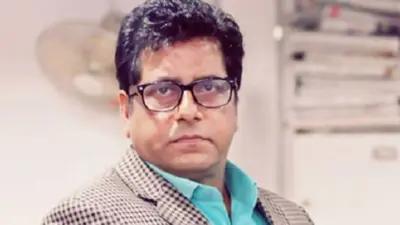
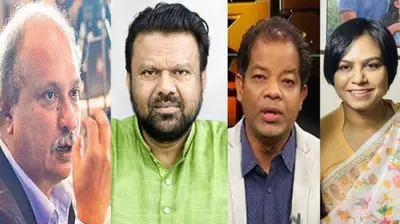
Protests were held in Dhaka and different parts of the country, with demonstrators demanding immediate punishment of those responsible for harassing New Age editor and Editors’ Council president Nurul Kabir.
The protesters alleged that the government could not evade responsibility for the attacks, as it failed to take timely action to protect media houses and cultural institutions. They also questioned the government’s silence during the incidents.
Several political, student, cultural and civil society organisations—including Ganatantra Mancha, Gono Odhikar Parishad, Jatiya Mukti Council, Bangladesh Students’ Union, Students Against Discrimination, Bangladesh Lekhak Shibir, and other civil society groups—through separate programmes and statements, urged the government to ensure justice over the attacks.
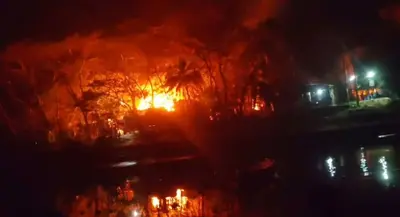
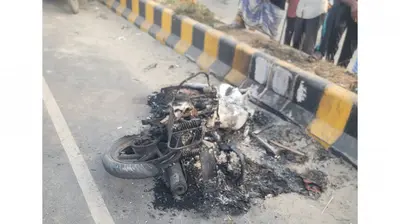
On the night of December 18, violent mobs attacked media houses at Karwan Bazar and several cultural institutions in Dhaka. The attacks followed the death of Sharif Osman Hadi, convener of Inquilab Mancha and one of the organisers of the July uprising, who was shot in the head in Dhaka on December 12 and later died at a hospital in Singapore while undergoing treatment.
The central office of cultural organisation Bangladesh Udichi Shilpi Goshthi was vandalised and set on fire the following day. Attackers also targeted several district offices of the Prothom Alo.
After suspending publication for one day, the affected newspapers resumed operations from Saturday under limited capacity.
No case had been filed and no arrests were made in connection with the attacks until Saturday.
Tejgaon police station officer-in-charge Kya Swee Nue said the authorities of The Daily Star and Prothom Alo had informed police that they needed time to file cases as they were assessing the extent of damage caused by arson.
“We will take necessary legal action after receiving the cases,” the OC said, adding that no one had been arrested or detained so far. He said police had collected evidence and were analysing video footage to identify the attackers.
Journalists of The Daily Star said they were working from home as the office building suffered severe damage. Reporters of Prothom Alo said operations were continuing on a limited scale.
At a press conference held at the National Press Club in Dhaka, a group of civil society leaders urged the government to immediately identify and arrest the offenders.
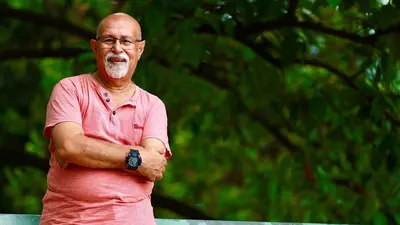
Addressing the press conference, Jahangirnagar University professor and rights activist Anu Muhammad said the interim government could not avoid responsibility, as it failed to prevent the attacks and vandalism. He also condemned the harassment of New Age editor Nurul Kabir when he went to The Daily Star office to protect journalists.
The platform placed six demands, including a proper investigation into the killing of Sharif Osman Hadi, punishment of those responsible, a probe into the attacks, ensuring public safety, and the resignation of the home adviser for failing to maintain law and order.
Prominent figures including photographer Shahidul Alam, rights activist Shamsul Huda, barrister Sara Hossain, garment workers’ leader Taslima Akhter, women’s rights activist Shima Datta, and former student leader Baki Billah also spoke at the event.
Members of the central steering committee of Ganatantra Mancha—a coalition of five political parties—called on the government to take effective measures to prevent attacks on media houses. A delegation led by coordinator and Revolutionary Workers Party general secretary Saiful Huq visited the damaged media offices on Saturday afternoon.
Nagarik Oikya president Mahmudur Rahman Manna expressed deep concern over the attacks and urged the government to identify the perpetrators and punish them exemplarily.
Gono Odhikar Parishad president Nurul Haque Nur, in a statement, condemned the incidents and demanded a fair and speedy investigation.
“Attacks on free media are attacks on democracy,” the statement said.
Bangladesh Students’ Union president Tamzid Haider Chanchol and general secretary Shimul Kumbhkar, in a joint statement, accused extremist groups of carrying out the attacks to create chaos and disrupt the upcoming national election. They alleged that communal forces planned the attacks to undermine the achievements of the July uprising.
Students Against Discrimination described the attacks as premeditated and disgraceful, stating that such violence is unacceptable in the ‘new Bangladesh’ that emerged after the student-led July uprising. The group warned that violence, intimidation and destruction threaten democratic values, freedom of expression and cultural life.
The Human Rights Development Centre (HRDC) also expressed concern over the killing of Hadi and the attacks on media and cultural institutions. The organisation urged the interim government to ensure public safety, protect freedom of expression and peaceful assembly, strengthen intelligence and law enforcement, and support the Election Commission in holding a free, fair and credible election.
Bangladesh Lekhak Shibir president Kazi Iqbal and general secretary Shafi Rahman condemned the attacks, stating that the government failed to ensure citizens’ safety.
“We urge all democratic forces to unite against vested interests,” the statement said.
Source: New Age