Broadcasting Ordinance 2026
Interim Government Set to Introduce Another Black Law

A new “Broadcasting Ordinance, 2026” is being fast-tracked during the tenure of the interim government. According to the draft law prepared by the Ministry of Information and Broadcasting, trials for broadcasting-related offences must be completed within just 90 working days, and for this purpose, one or more “Broadcasting Tribunals” will be established.
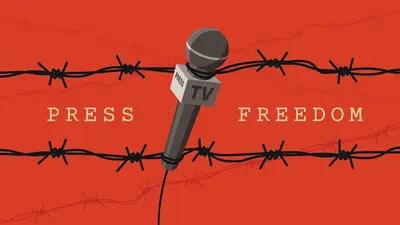
However, several provisions of the proposed law have raised deep concerns among journalists, rights activists, and policy circles. They fear that if the ordinance is enacted, freedom of expression and media freedom may be further curtailed.
According to the draft, each tribunal will be formed with a District and Sessions Judge, and all offences under this law will be tried exclusively by these tribunals. No individual other than an authorized person of the commission will be able to file a complaint directly. Once a complaint is accepted, the investigation must be completed within 30 days, with an additional 15 days allowed if necessary. The trial must be concluded within 90 working days.
The law provides for punishment of up to three years’ imprisonment and a fine of up to BDT 5 million for offences such as broadcasting without a license, disobeying government directives, importing equipment without clearance, or broadcasting information that may threaten state security. In addition, the commission has been granted powers to cancel licenses, impose fines, issue revised broadcasting directives, and even inspect institutions and seize digital evidence.
Critics argue that the use of vague terms such as “national issues,” “public interest,” or “security” grants excessive authority to the administration, which could be used to suppress dissenting opinions or investigative journalism. The centralized control over filing complaints and the expedited trial process have also raised questions about fair trial rights and institutional transparency.
According to media analysts, the rush to introduce such a stringent law during an interim period ahead of elections appears politically motivated. They warn that it could reinforce self-censorship, censorship, and a culture of fear within the media.
Although opinions on the draft have been invited by January 31, stakeholders say that without broad public consultation and consideration of human rights standards, the law could pose a serious threat to the democratic environment.