


BNN Asia Report Says Bangladesh Media Faced Risky Conditions in Jan–Feb
BNN Asia, an independent watchdog that advocates for press freedom and the safety of journalists across Asia, has reported that the environment for newspapers and journalists in Bangladesh remained tense and risky during January and February 2026.
In its latest report reviewing the situation of journalists and media outlets across 20 Asian countries, the US-based organisation said that press freedom concerns increased significantly in Bangladesh, particularly in the period leading up to the national elections held on 12 February 2026.
BNN Asia works closely with local reporters to highlight threats against journalists, document abuses, provide emergency support to media workers in danger, and strengthen cross-border cooperation among media professionals.
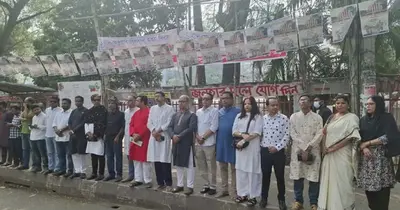
According to the report, journalists in Bangladesh faced physical attacks, legal harassment, and various forms of pressure during the pre-election period. One notable incident occurred in Narsingdi on 27 January, where at least 10 journalists were injured during clashes while covering an event related to the Crime Reporters Association of Bangladesh (CRAB).
Human rights organisations described the incident as mob violence and criticised authorities for failing to provide adequate protection for journalists performing their professional duties.
The report also mentioned that in February several journalists faced retaliatory violence linked to election coverage. In multiple cases, reporters were targeted in mob attacks and subjected to digital harassment, some of which were associated with political campaign activities.
BNN Asia further stated that many journalists remained detained on charges that media organisations described as false and intended to harass. Some of these cases involved murder allegations connected to incidents that occurred in August 2024.
In late February, the Editors’ Council called on the newly elected government to withdraw such cases, arguing that they obstruct journalists’ professional responsibilities and weaken media independence.
According to the report, at least 30 journalists were arrested, and many were repeatedly denied bail, leading to prolonged detention. Human rights organisations warned that such developments send a chilling message to the press community.
Earlier in February, a report by Transparency International Bangladesh revealed that 189 journalists had lost their jobs over the previous 18 months. The report also noted leadership changes in 29 media outlets, highlighting financial instability and political pressure as key factors contributing to job insecurity in the media sector.
There were also allegations that senior members of the ruling party played roles in these developments. Changes in media ownership and participation were said to have increased the influence of informal power groups within the country’s media industry.
Meanwhile, the international free expression organisation ARTICLE 19 criticised draft ordinances proposed by the interim government to establish a National Media Commission and a Broadcasting Commission. The drafts were released in early February with only three days provided for public feedback, a timeline many observers considered rushed and inadequate.
Critics argued that the proposed framework excluded freelance journalists from legal protection and could potentially threaten freedom of expression.
BNN Asia concluded that press freedom in Bangladesh remained fragile during January and February 2026. Although both the interim government and the government formed after the election promised to ensure greater protection for the media, journalists and newspapers continued to face ongoing threats, financial vulnerability, and an atmosphere of fear.