


Kamal Ahmed Says Media Reform Momentum Lost as Mob Violence Emerges as New Threat
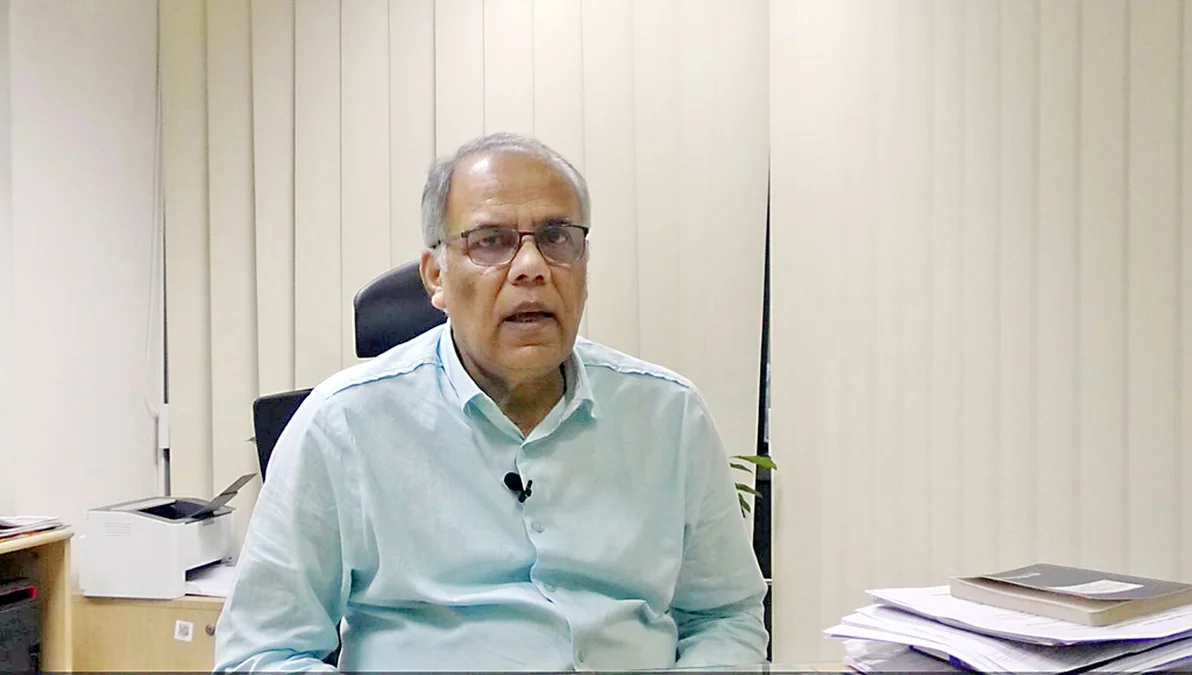
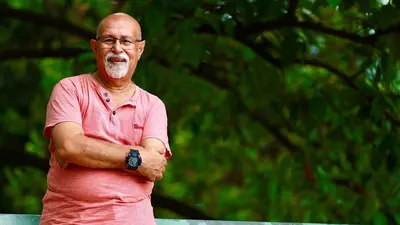
Veteran journalist and media analyst Kamal Ahmed has said that while journalists in Bangladesh now enjoy greater freedom to criticise the government following the July 2024 uprising, the country’s media sector is facing a new and more unpredictable threat in the form of organised mob violence.
Speaking in an interview with New Age, Ahmed said the post-uprising period represents an interim phase of transformation, but warned that the failure to implement key media reform recommendations has allowed old structural problems to persist while exposing journalists to fresh dangers.
“Earlier, threats came from a single, extremely powerful centre that controlled newsrooms through fear. That no longer exists,” Ahmed said. “Now the danger comes from mobs—organised intimidation, organised attacks and organised terror—which is far more unpredictable.”
Mob Violence Replaces State Pressure
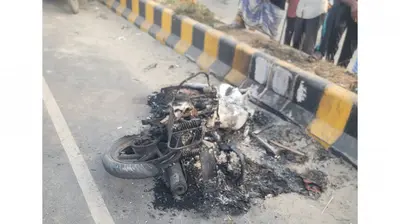
Ahmed, who actively supported the July student movement through his writing, said attacks on media houses after the uprising marked an unprecedented escalation in violence against journalists. Referring to arson attacks on newspaper offices, he said such brutality had never been witnessed before in Bangladesh’s media history.
“Setting fire to newspaper offices, preventing firefighters from entering and attempting to kill journalists by trapping them inside—this scale of violence is new,” he said, adding that earlier attacks, though serious, were largely linked to state-sponsored intimidation.
Reform Proposals Ignored
After the uprising, Ahmed said he accepted a request from the interim government to assist with media reforms, leading to the formation of a media reform commission. The commission conducted nationwide consultations with journalists, editors, owners, media workers and audiences before submitting recommendations to the government.
However, Ahmed expressed disappointment that none of the commission’s immediately implementable proposals had been adopted.
Among the key recommendations were the enactment of a Journalists’ Protection Act, the establishment of an independent Bangladesh Media Commission, and urgent steps to address the financial unsustainability of the news media industry.
“The biggest crisis in the media is its broken business model,” Ahmed said, explaining that dependence on government, corporate and political funding undermines independent journalism.
The commission also proposed verification mechanisms to address fraudulent newspaper circulation figures and manipulated television rating points, as well as tax relief for media houses, columnists and freelancers. None of these measures were implemented, he noted.
Bureaucracy as Main Obstacle
According to Ahmed, the primary barrier to reform is bureaucratic resistance rather than political opposition.
“There is no political party or civil society group opposing a media commission,” he said, noting that even the Bangladesh Nationalist Party’s reform agenda includes such a proposal. “The bureaucracy does not want institutions that would reduce their control.”
He added that although a draft Journalists’ Protection Act had been prepared and legally vetted, it was never discussed or progressed.
Lack of Unity Among Journalists
Ahmed also criticised divisions within the journalist community, saying political affiliations and personal interests have weakened collective demands for reform.
“Many journalist leaders focus on pleasing political parties instead of protecting journalists’ rights,” he said, adding that numerous press clubs function more as recreational or commercial entities than professional unions.
State Media Autonomy Still Elusive
On state-owned broadcasters—Bangladesh Television, Bangladesh Betar and Bangladesh Sangbad Sangstha—Ahmed said decades-old promises of autonomy remain unfulfilled due to bureaucratic obstruction and lack of political will.
Despite recommendations to merge the three organisations into a single autonomous entity, he said successive sub-committees formed by the interim government failed to take action.
“If the government wanted, it could have implemented these reforms,” Ahmed said, citing other structural changes carried out during the interim period.
Journalists Jailed in Murder Cases
Addressing the imprisonment of journalists in murder cases after August 5, 2024, Ahmed said the continued detention violates fundamental rights.
“Bail is a basic right. Detaining journalists on fabricated charges is an injustice,” he said, adding that journalists should only be tried for specific, evidence-based offences, not falsely implicated in serious crimes.
Ahmed noted that although the government promised to review such cases, no effective action has yet followed.