Journalist Harassment in Bangladesh Far Higher Than TIB Reports
Concerns over shrinking media freedom and rising threats to journalists in Bangladesh have intensified, as evidence suggests that the scale of harassment and intimidation is far greater than officially reported. Transparency International Bangladesh (TIB), in its recent research report titled “One and a Half Years After the Fall of Authoritarianism: Expectations and Achievements”, highlighted attacks, job losses, and legal harassment targeting media professionals across the country. However, discrepancies in the reported numbers raise questions about the full extent of the crisis.
The TIB report, launched at the organization’s conference room in Dhaka on February 2, described a media landscape under increasing pressure, not necessarily from direct government control, but through targeted “mob violence” against media offices, widespread harassment, and legal intimidation. Attacks against journalists, writers, and human rights activists continue unabated. According to TIB, six journalists have been killed in the line of duty, and at least 497 incidents of harassment affected 1,104 journalists and media workers between August 2024 and December 2025.
Yet ground reports suggest the reality may be grimmer. Over the past one and a half years, around 1,000 journalists have reportedly been fired, including more than 80 from Bangladesh Television (BTV) and over 60 from Ekattor TV and DBC. TIB, however, has reported a lower figure of 189 journalists dismissed, raising questions about possible underreporting or data gaps.
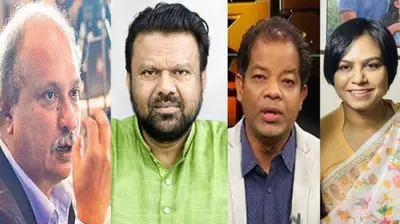
Since August 5, 2024, over 300 journalists associated with the spirit of the Liberation War have faced false and politically motivated murder cases. Across the country, eight journalists have been killed, and at least 50 have been jailed, including prominent names such as Farzana Rupa, Shyamol Dutta, Mozammel Haque Babu, Shakil Ahmed, Shahriar Kabir, and Anis Alamgir. In addition, mobs have forcibly taken control of newspapers, television channels, and online media platforms.
Journalist unions and press clubs nationwide including the National Press Club, Dhaka Union of Journalists (DUJ), and Bangladesh Federal Union of Journalists (BFUJ) have reportedly been illegally occupied, with offices looted, essential documents burned, and property destroyed. The National Press Club committee has allegedly suspended or expelled the membership of over 100 journalists aligned with the Liberation War spirit, while accreditation cards for 200 journalists have been canceled. Around 50 journalists have faced bank account seizures or asset freezing. Furthermore, mobs have been used within journalist organizations to harass and assault independent-minded reporters.
The TIB report also highlighted mob attacks on the offices of Prothom Alo and The Daily Star, involving vandalism, arson, looting, and destruction of property. Yet the organization noted that government responses were largely inactive and ineffective. TIB also documented the naming of 204 journalists as accused in various cases, including murders linked to the July mass uprising, with at least 30 journalists arrested and denied bail.
The report emphasized a growing use of disinformation campaigns, social media rumors, and AI-driven negative propaganda, yet noted that no effective measures have been implemented to counter these emerging threats. Despite Bangladesh improving by 16 places in the 2025 Press Freedom Index published by Reporters Without Borders (RSF), TIB concluded that an environment conducive to independent journalism has yet to be established. The Media Reform Commission identified legal provisions in 13 different laws as obstacles to press freedom, but meaningful reforms have not been pursued, and the proposed Journalist Protection Act was reportedly dropped without explanation.
The gap between TIB’s reported figures and ground realities raises concerns that the actual scale of harassment, intimidation, and job insecurity among journalists may be much higher. While official data may understate the problem, the on-the-ground situation points to a sustained campaign against independent media, threatening both press freedom and democratic accountability in Bangladesh.