Media Reform: Govt Must Explain Delay, Says Commission Chief
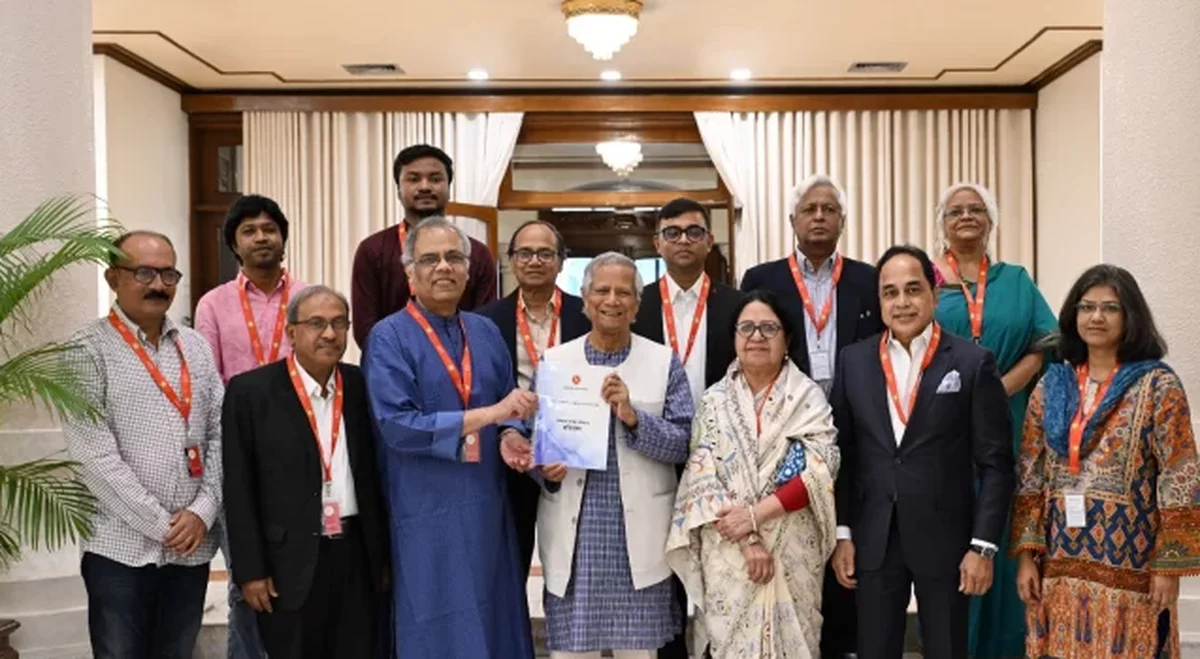
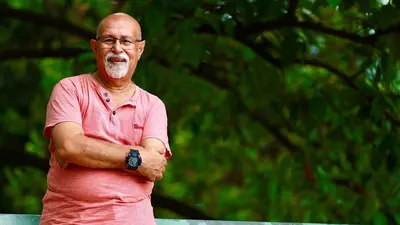
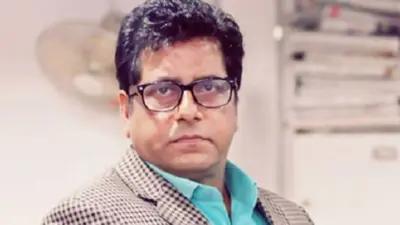
Kamal Ahmed, head of the Media Reform Commission, on Sunday urged the government to clarify why it has not yet implemented the commission’s recommendations, even five months after submission.
“People are asking what happened to media reform. We submitted our report and recommendations — now it’s the government’s responsibility to act. When I get these questions, I simply tell them to ask the government,” he said.
He made these comments while speaking at the Mass Media Award 2025 ceremony held at Bishwo Shahitto Kendro in Dhaka. The event was jointly organised by Plan International and Jaago Foundation Trust, honouring 15 media professionals for their contributions to journalism that promotes dignity, equality, and gender sensitivity.
The Media Reform Commission submitted its report to Chief Adviser Prof Muhammad Yunus on March 22 this year.
“Our role was to chart a roadmap for the media’s future and recommend ways to solve existing issues. That task has been completed. Now, it is time for implementation,” said Kamal Ahmed.
He urged journalists, editors, and media organisations to press the government for action on the recommendations.
He noted that not all recommendations require legal action: “Even if the government simply issues directives based on the recommendations, it could lead to meaningful changes.”
Kamal Ahmed also expressed concern about current trends in the media industry.
“This unhealthy competition for viral content is eroding professionalism and damaging newsroom credibility. Without public awareness about editorial standards and ethical journalism, we risk falling into media chaos,” he warned.
He emphasised the need for media professionals to be more sensitive to gender equality, ethical journalism, and responsible content creation.
He pointed out that a commitment charter focusing on gender equality, respectful workplace behaviour, ethical journalism, and responsible content had already been launched, with 21 media organisations endorsing it.
“Yet, we continue to see an unhealthy race to go viral, often sacrificing journalistic quality,” he said.
He further warned of declining newsroom standards, stating, “We need to uphold professionalism and editorial ethics to prevent further deterioration. Without awareness, chaos on social media will only grow worse.”
Dr Halida Hanum Akhtar, member of the Women’s Affairs Reform Commission, highlighted the media’s role as a force for social change.
She called for gender-sensitive journalism training and urged greater visibility and decision-making roles for women in media organisations.
Rasheda K Chowdhury, adviser to a former caretaker government, echoed similar concerns. She said that while women’s participation in media is increasing, their presence in leadership remains minimal.
“Women hold only 5–6 percent of seats in parliament and are similarly underrepresented in media leadership,” she noted.
Kabita Bose, Country Director of Plan International Bangladesh, and Iftekharul Karim, Senior Programme Manager at Jaago Foundation, also addressed the event.