

Media Leaders Call for Unity to Protect Independent Journalism in Bangladesh
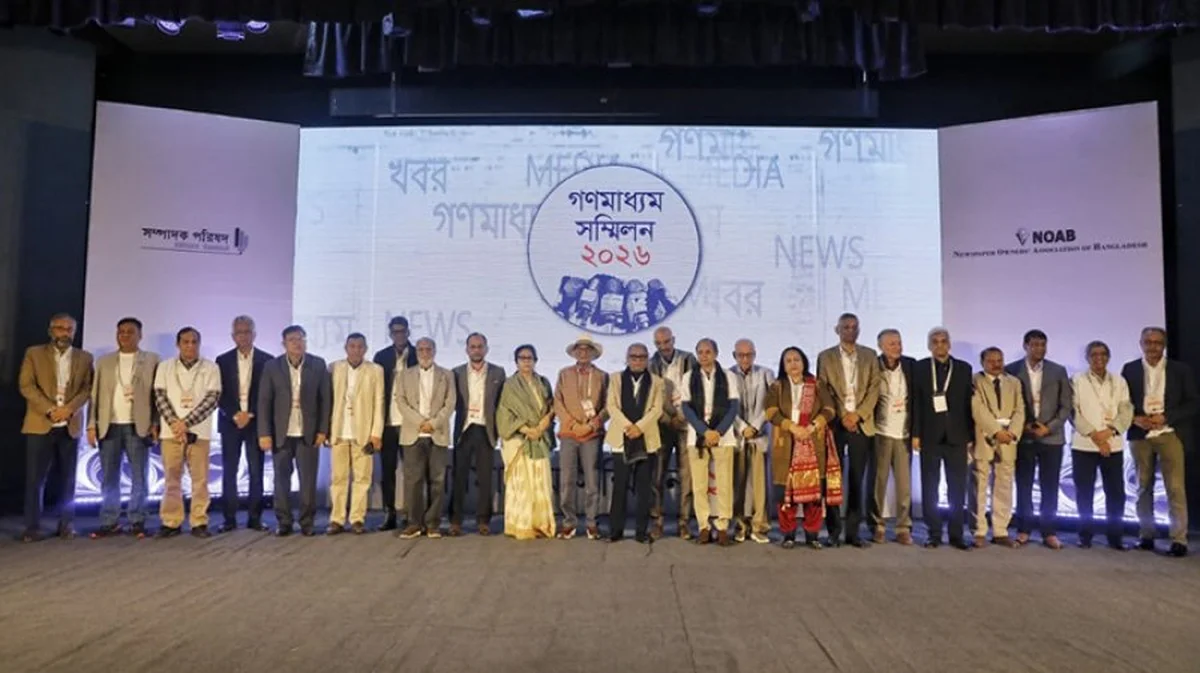
Independent journalism is important for the welfare of the country. In fact, the government itself benefits from it, because independent media institutions are the only ones that can speak the truth to the government. No one is opposed to anyone; everyone supports truthful journalism. Therefore, it is essential to keep the path of truthful journalism free. There is a lack of unity among journalists. If owners, editors, and journalists all move forward together in unity, then the role of newspapers, the development of journalists, and the development of newspapers will be possible—this is the view expressed by publishers, editors, and journalists from various media outlets.
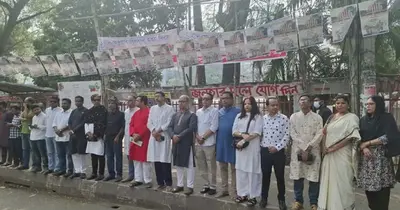
They shared these views on Saturday (17 January) at the Media Conference 2026, organized by the Editors’ Council and the Newspaper Owners’ Association of Bangladesh (NOAB) at the Krishibid Institution in the capital. Publishers, editors, and journalists from various media houses across the country participated in the conference. The session was moderated by the General Secretary of the Editors’ Council and the editor of Bonik Barta, Dewan Hanif Mahmud.
At the beginning of the event, the welcome address was delivered by the President of the Editors’ Council and editor of New Age, Nurul Kabir. He said, “There will be dissenting opinions in society, there will be different voices, people will speak in different ways—maintaining this diversity is extremely important. Keeping that in mind, we have all come together here. We hope that by bringing all your thoughts together, we can collectively move forward.”
Nurul Kabir said, “On one hand, we need unity among ourselves and the adoption of collective initiatives against all obstacles. At the same time, we must collectively help spread this way of thinking throughout society.”
The editor of The Daily Star, Mahfuz Anam, said, “Independent journalism is the only institution that can speak the truth to the government. If a government truly believes in independent journalism and holds a liberal outlook, then it will benefit the most.”
Addressing the government, Mahfuz Anam said, “You must remember that no one will tell you the truth. Your party people will not tell you out of fear, the government bureaucracy will not tell you, and your intelligence community will not tell you. They will always keep you confined within a world of praise. Independent journalism is the only institution that will tell you the truth.”
The editor of Prothom Alo, Matiur Rahman, said, “This unity—staying united, coming together, standing beside one another, and showing consent and empathy toward each other—is extremely, extremely important. There is no reason for us to think that once the next elected government comes, we will get everything we want. It did not happen in the past, it will not happen now. We must think about the future intentions of those governments with caution and vigilance. Once again, unity, mutual understanding, and solidarity are the most important messages for the days ahead, and we must accept that.”
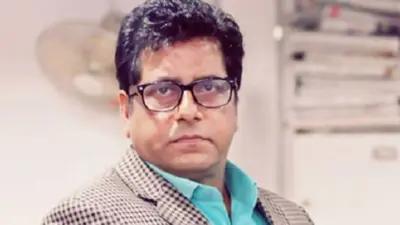
Editor Riaz Ahmed said, “I only hope that through the political transition we will go through following the election on 12 February, those who receive the people’s mandate will listen to these words. If they take even a small message from today’s discussion, then perhaps in the coming days they will help create an environment for independent journalism.”
The editor and publisher of the Rangpur-based daily Juger Alo, Momtaj Shirin, said, “In reality, if we want to protect the media, the very first thing we must do is keep it free from political influence. Only by keeping it outside of politics can the media be separated and work independently.”
Munima Sultana, Vice President of the Women Journalists’ Center, said, “There are various problems within our own media houses. If we can restructure these houses on a smaller scale, we will see that professionalism—along with empathy and compassion—is actually missing from our professional practice. We need to create a space where we can truly come out of political bias. We must build professionalism. We need women’s representation, and along with that, representation of all races and communities. If their voices are to be present, and if we say we want to change society, then we must also consider their voices in that change.”
The editor of the Chattogram-based daily Azadi, M A Malek, said, “When the path of genuine journalism is blocked, an information vacuum is created. This vacuum is then occupied by fake news or false information, which misleads people and increases instability in society. This situation never brings welfare, and it never has.”
He added, “Those of us gathered here today are not against anyone. We have come only to call for keeping the path of truthful journalism open. We have come with the demand that responsible media be able to operate in a fearless environment, without any obstruction.”
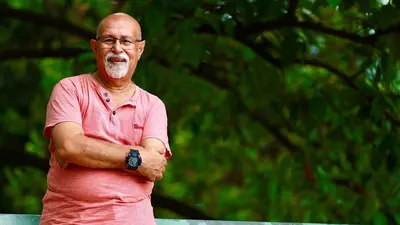
The Chairman of the Media Reform Commission, Kamal Ahmed, said, “Journalists are often not given due respect, or they fail to receive it. Why is there such devaluation when it comes to the recognition of journalists? In many cases, compromises are being made in maintaining journalistic standards, or those standards are not being upheld. There are many reasons behind this failure, and we must eliminate those reasons.”
He said, “For the protection of journalists, the Reform Commission recommended a Journalism Protection Act, and everyone supported that law. Previously, two advisers from the Ministry of Information had promised that the law would be enacted. But it has not happened. I will once again repeat that since the submission of our recommendations until now, all the journalists and media workers who have been attacked across the country, and all the media institutions that have been targeted—responsibility for these lies with the government, because they made commitments but failed to implement them.”
President of the Sreepur Press Club in Gazipur, S. M. Mahful Hasan Hannan, said, “There truly is no alternative to unity. Rights are not handed out by anyone; they have to be claimed. We must claim our own rights. Today I request the Editors’ Council to create a law. If we create our own law, then there will be no rogue journalists, and our unity will also remain intact.”
President of the Lakshmipur Press Club, A. H. M. Moshtakur Rahman, said, “From the initial discussions here, all the wise journalists and leaders have said that unity is necessary. Based on our experiences with mob violence, I believe unity is essential. But the question remains—can we truly be united? Because if we do not cleanse our inner selves, and if we cannot move away from partisan narrow-mindedness, then our unity will never succeed.”
The editor of Jaijaidin, Shafik Rehman, said, “When you are called brokers or agents, it pains me—and why wouldn’t it? Those who were supporting the Awami League just a few days ago have now all become supporters of the BNP. Is this something strange, or is it magic? Why have you fallen into this magic, and why are you performing this magic yourself? This does not increase your respect; rather, it diminishes it.”
He further said, “It is extremely unfortunate to say that journalism has still not become a respectable profession in Bangladesh. The current position of journalists is not respectable, yet reaching a position of dignity is absolutely necessary.”
Shafik Rehman added, “I have one piece of advice for journalists—keep an alternative arrangement in place.”