

76% of Ever-Married Women in Bangladesh Victims of Spousal Violence: BBS-UNFPA Survey
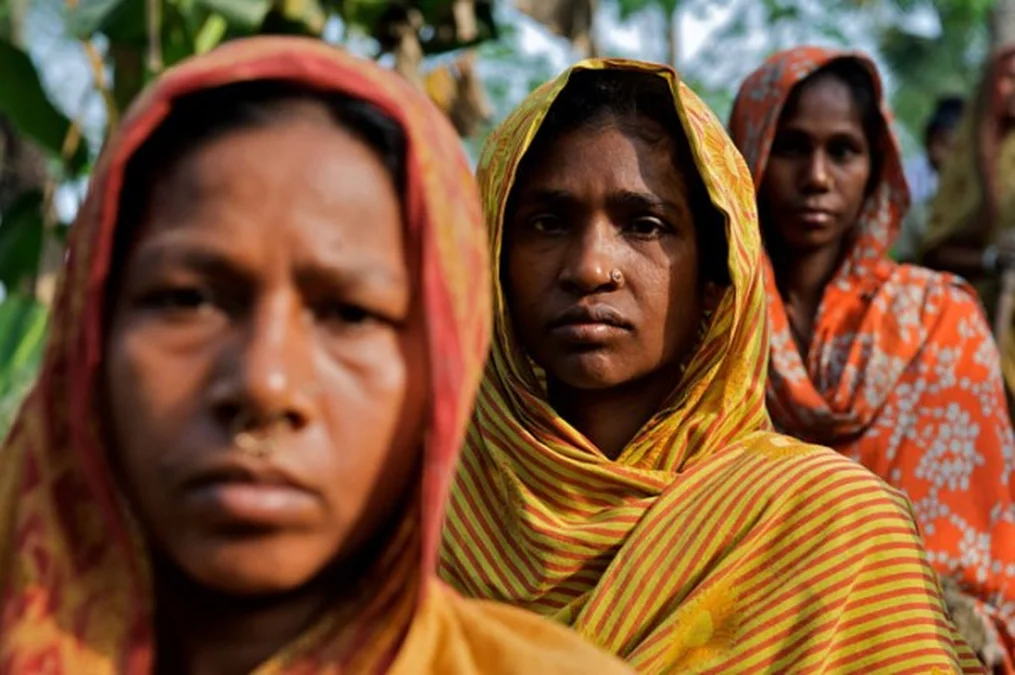
About 76 percent of ever-married women in Bangladesh have experienced some form of violence by their husbands in their lifetime, according to the Violence Against Women (VAW) Survey 2024 released on Monday.
The survey, jointly conducted by the Bangladesh Bureau of Statistics (BBS) and the United Nations Population Fund (UNFPA), highlighted widespread intimate partner violence, rising digital abuse, and limited access to justice for survivors.
Key Findings:
- Intimate partner violence remains widespread
- Adolescents and marginalised groups are highly vulnerable
- Non-partner violence continues to be a concern
- Technology-facilitated violence is emerging as a serious threat
- A culture of silence and lack of justice persists
- Violence imposes significant economic burdens on survivors
According to the survey, 48.7 percent of ever-married women reported experiencing at least one form of violence—physical, sexual, psychological, economic, or controlling behaviour—within the 12 months preceding the survey.
One of the new areas explored in this year’s survey was digital or technology-facilitated gender-based violence. Around 8.3 percent of women reported experiencing unwanted sexual messages, sexual blackmail, image-based abuse, or tech-facilitated controlling behaviour at some point in their lives. These forms of abuse were notably more common among younger, urban, and digitally connected women.
The survey, which interviewed 27,476 women from all eight administrative divisions, also revealed that adolescent girls aged 15–19 faced disproportionately high rates of recent violence, underlining their heightened vulnerability.
In terms of specific forms of violence:
- Controlling behaviour was the most common, affecting 67.6 percent of women.
- Physical violence was reported by 47.3 percent of women in their lifetime.
- Sexual violence affected 29.0 percent of women, with higher rates in Barishal, urban slums, disaster-prone regions, poor households, and among less educated women.
- Emotional or psychological violence was experienced by 37.4 percent.
- Economic violence affected 19.6 percent.
In comparison, the previous survey in 2015 found that 72.6 percent of ever-married women had experienced violence from their husbands at least once, and 54.7 percent had experienced such violence in the preceding 12 months.
Non-Partner and Public Sphere Violence
Beyond intimate relationships, the survey found that 15 percent of women had experienced physical violence from non-partners, and 3.7 percent reported such violence in the last year.
Sexual violence by non-partners was reported by 2.2 percent of women in their lifetime and 0.5 percent in the past year. Such violence was more common among urban women, especially in city corporation areas.
Common acts of physical violence included slapping and unwanted touching, while the most frequent form of sexual violence was attempted but unsuccessful forced sex.
Economic Burden of Violence
The survey also highlighted the economic impact of violence. On average, survivors spent Tk 2,512 on treatment and Tk 4,104 on legal action in the past year.
Reactions from Rights Activists
Maleka Banu, General Secretary of Bangladesh Mahila Parishad, said that growing awareness among women and their challenges to the patriarchal system may be contributing to the increasing trend of reported violence by husbands.
Nur Khan, former executive director of rights organisation Ain o Salish Kendra, attributed the rise in violence to social, financial, and political instabilities, warning that such violence affects not only women but also children.
Activists also expressed concern that this trend contradicts Bangladesh’s commitments under the Sustainable Development Goals (SDGs). Among the 169 SDG targets, several focus on eliminating all forms of violence against women and girls, including trafficking and sexual exploitation.
As Bangladesh approaches graduation from the Least Developed Country (LDC) group next year, rights groups warn that without addressing gender-based violence, inclusive and sustainable development will remain elusive.