
Women’s Sport in Bangladesh
Progress Marred by Harassment Allegations and Weak Safeguards
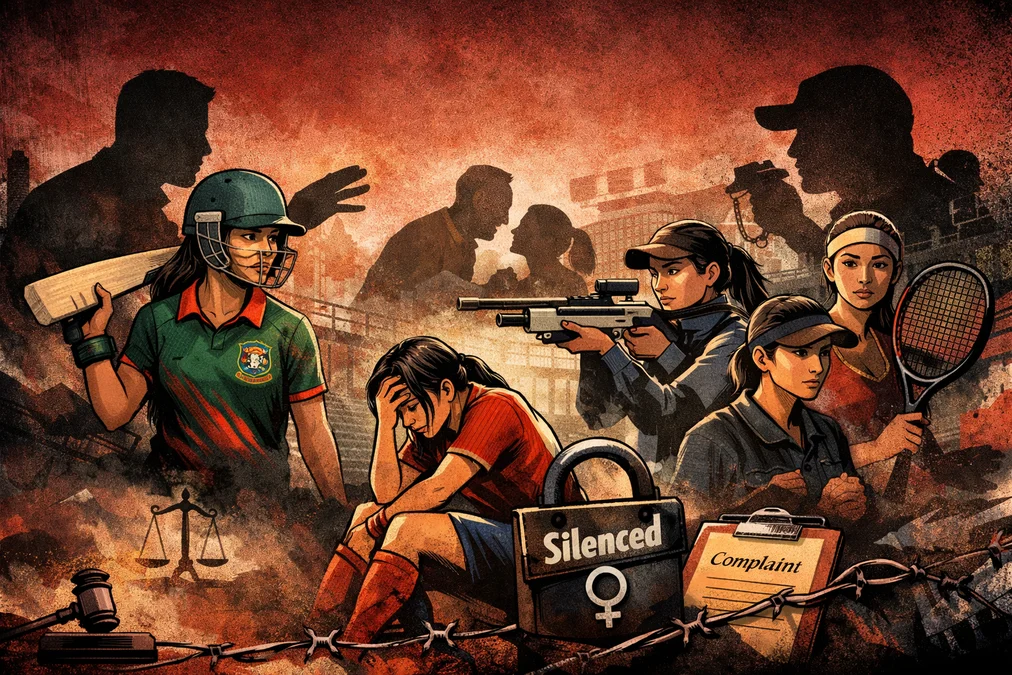
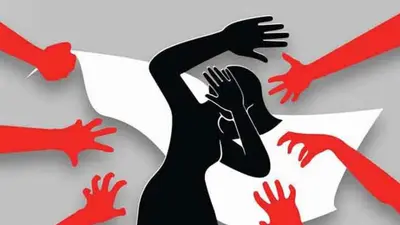
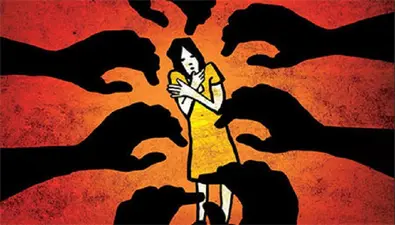
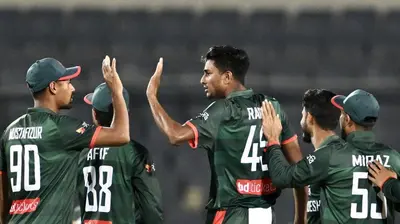
Women’s sport in Bangladesh has made remarkable strides in recent years, with national teams gaining international recognition and female athletes emerging as symbols of pride and achievement. However, beneath this progress lies a troubling reality of persistent allegations of sexual harassment, abuse of power, and psychological mistreatment that continue to threaten athletes’ safety and well-being.
Recent incidents across multiple sports have brought these concerns into sharp focus. National cricketer Jahanara Alam publicly accused her coach Monjurul Islam of sexual harassment, triggering widespread debate over institutional accountability. In women’s football, several national team players alleged abusive conduct by a foreign coach. Similar claims have surfaced in shooting and tennis, leading to disciplinary actions against senior officials and temporary suspensions.
These repeated allegations across cricket, football, shooting, and tennis suggest a systemic issue rather than isolated incidents. In most cases, action was taken only after public outcry or formal complaints, raising concerns about the absence of proactive safeguarding mechanisms within sports institutions.
A major factor contributing to this environment is the imbalance of power between athletes and those in authority. Coaches, selectors, and administrators often control access to training, team selection, and career advancement. This dependency creates conditions where exploitation and harassment can occur with limited accountability.
For many athletes, speaking out carries significant risks. Complaints can result in exclusion from teams, loss of opportunities, reputational harm, or social pressure. In some high-profile football cases, players who raised concerns reportedly faced marginalisation instead of protection. As a result, silence often becomes the safest option, allowing abuse to go unreported and unchecked.
From a legal standpoint, Bangladesh has a strong framework for protection. The Constitution guarantees equality and dignity for all citizens, while the 2009 High Court directives on workplace sexual harassment require organisations to establish complaint committees and clear procedures. Additional protections are provided under the Labour Act 2006, the Penal Code 1860, the Women and Children Repression Prevention Act 2000, and the Children Act 2013.
Despite these laws, enforcement remains inconsistent, particularly within the sports sector. Key governing bodies such as the Bangladesh Cricket Board, Bangladesh Football Federation, and Bangladesh Olympic Association have limited publicly accessible information on safeguarding policies or complaint mechanisms. This lack of transparency leaves many athletes unaware of how to report abuse or seek justice.
The gap highlights a broader governance failure. While administrative directives encourage federations to form harassment prevention committees, these measures are not always legally binding or effectively implemented. As a result, safeguarding often remains an optional policy rather than a core institutional responsibility.
International organisations have long recognised harassment in sport as a global issue. The International Olympic Committee, International Cricket Council, and FIFA all emphasise the need for safe, abuse-free sporting environments. The United Nations’ Protection from Sexual Exploitation and Abuse (PSEA) framework further stresses zero tolerance, survivor-centred investigations, and protection against retaliation.
Experts argue that Bangladesh must adopt practical, enforceable safeguarding measures. These include mandatory awareness training for athletes and staff, independent and confidential reporting platforms, and transparent investigation processes with clear disciplinary actions.
While women’s sport in Bangladesh represents a powerful social transformation, its future depends on building trust. Ensuring safe, fair, and accountable environments is essential—not only to protect athletes but to sustain the progress achieved so far.