

Despite Being Key Voters, Women Barely Lead in Bangladesh Election
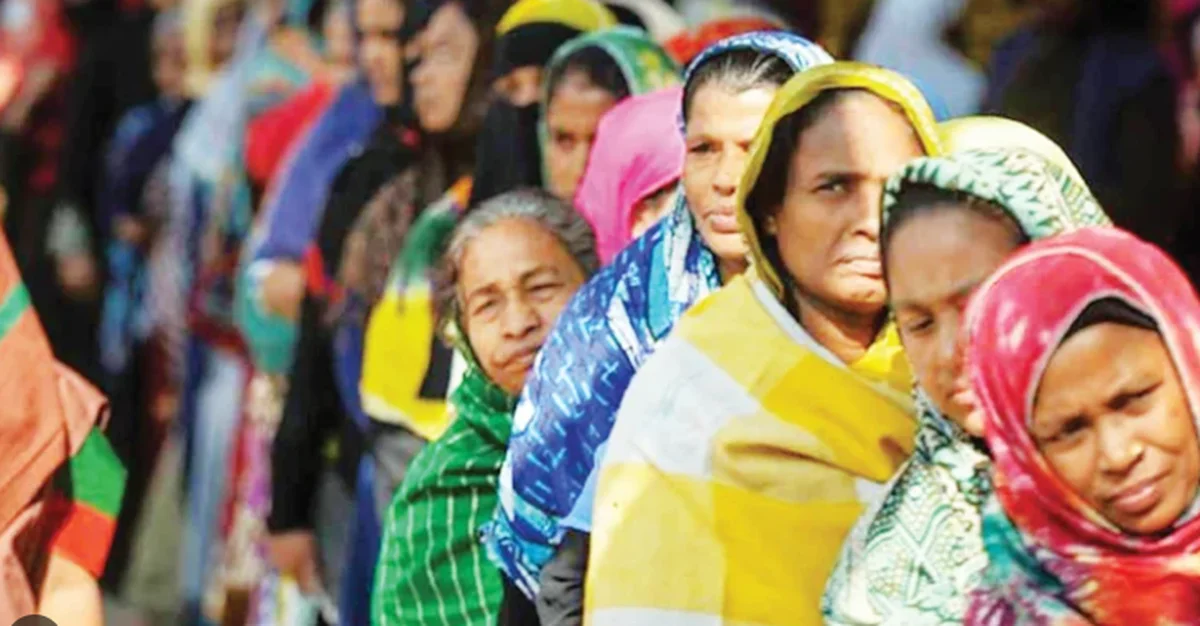
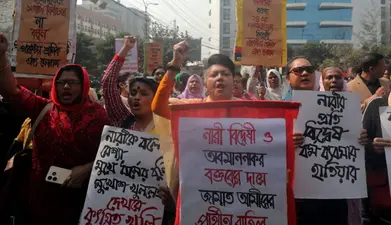
There has been criticism over the low number of women candidates in Bangladesh’s upcoming election. Not only are there few female candidates, but women are also noticeably underrepresented in campaign activities. Although women are a key “target group” for voters, their near absence in leadership roles could hinder ongoing progress for women, according to observations from women’s rights activists during the pre-election period. Those candidates who were visible in campaigns say that the women running despite challenges are the ones who will lead in the future.
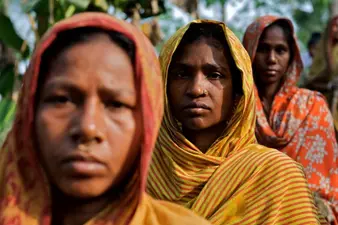
According to the Election Commission, although the number of female voters exceeds that of male voters, the participation of women in the candidate list remains significantly low. Currently, women make up more than half of the country’s total population. In terms of voters, women account for 49.26 percent, with a total of 62,879,042 voters. In this election, there are 1,981 candidates in total, of which 38 women were nominated by political parties. BNP and BASAD (Marxist) each nominated a maximum of 10 women. Overall, the total number of female candidates stands at 85. Additionally, one candidate represents the Hijra community. A comparative analysis shows that the number of women candidates has decreased compared to the 2024 12th National Parliament election, when 101 women contested, accounting for over 5 percent of the total candidates.
During this election campaign, all major parties have highlighted what they will do for mothers and women, trying to target female voters with promises, messages, and social-religious influences. However, rights activists argue that these commitments do not justify the low number of female candidates. They also point out that most promises fail to align with ongoing international rights movements and rely on outdated approaches.
Initially, there was no indication that this trend would emerge. When the NCP announced candidates for 125 constituencies last December, the party nominated 14 women. However, circumstances changed after the party joined the alliance led by Jamaat-e-Islami. Before the alliance, several senior female members of the NCP expressed their dissatisfaction and resigned. Some withdrew from the election, while others ran as independent candidates. Dr. Tasnim Zara resigned from her post as senior joint secretary of the NCP and contested as an independent candidate from Dhaka-9. Even a major party like BNP nominated only 10 women, while Jamaat or the Jamaat alliance fielded no female candidates.
When asked why parties do not nominate more women and what the experience of campaigning as a female candidate is like, Taslima Akhter, a candidate from Dhaka-12, said, “This time we wanted at least 100 women to contest directly, but we were disappointed by the nominations. The women who are participating despite this this will encourage newcomers in the future. By challenging the male-dominated attitudes in society and some political parties, the women who are contesting will emerge as leaders.” She has long-standing political experience and has been actively visible in campaigns in her constituency.
While there may be shortcomings in addressing women’s issues, female voters remain the main target. This approach, according to Zinath Ara Haque, coordinator of We Can, both emphasizes women numerically and yet does not see them as decision-makers. “These women know that their male colleagues do not want to see them in this position, yet they will vote. In recent years, a perception was promoted that women may not participate in decision-making. What is new this time is that some female voters themselves are now accepting this reality while engaging in politics,” she said. She added that major parties continue to speak outdated narratives on women’s issues, falling behind international standards for women’s rights, and it remains unclear whether the promises made will actually be implemented.