
HRW Slams Bangladesh Interim Govt Over Abuse of Counterterrorism Law
Human Rights Watch has accused Bangladesh’s interim government, led by Nobel Peace Prize laureate Muhammad Yunus, of increasingly misusing recently amended counterterrorism legislation to target alleged supporters of the deposed Awami League. HRW calls on the United Nations human rights team in Bangladesh to demand the immediate release of those detained arbitrarily and to push the government to uphold rights and prosecute real perpetrators of political violence.
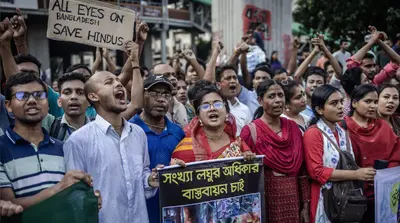
The interim government, which took power in August 2024 following the ousting of former Prime Minister Sheikh Hasina’s Awami League after three weeks of protests resulting in 1,400 deaths, has used its new powers under the amended Anti-Terrorism Act to impose a temporary ban on the Awami League. Since May 12, 2025, the ban prohibits meetings, publications, and online expression supportive of the party and is being used to detain Awami League members and peaceful activists.
“The interim government should not replicate the partisan tactics that citizens suffered under Sheikh Hasina—stuffing prisons with opponents or silencing dissent,” said Meenakshi Ganguly, deputy Asia director at Human Rights Watch. “The UN human rights office, which was invited into the country to support human rights in Bangladesh, must monitor developments and intervene urgently against politically motivated arrests.”
Thousands have been arrested under the interim government; many face dubious murder charges, while others are held under the Anti‑Terrorism Act. Several detainees allege mistreatment in custody, including lack of medical care—echoing complaints from the Sheikh Hasina era.
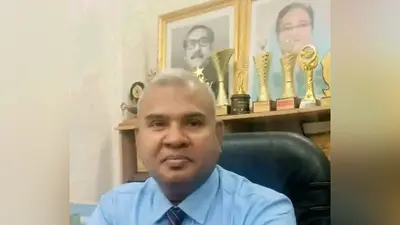
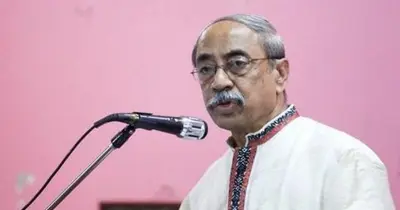
On August 28, police arrested 16 individuals—including journalists and academics—at a public discussion organized by Mancha 71 (a platform commemorating Bangladesh’s 1971 independence) held at the Dhaka Reporters Unity office. A mob had surrounded and heckled the gathering, accusing participants of being loyal to the Awami League. Among those arrested were veteran journalist Monjurul Alam Panna, a Dhaka University professor, Sheikh Hafizur Rahman, and former minister Abdul Latif Siddique, who had been expelled from the Awami League.
After initially claiming the detentions were for their safety, police charged those arrested under the Anti‑Terrorism Act. Two additional people were later apprehended in connection with the same case. The police complaint accuses them of inciting violence against the interim government—allegations denied by eyewitnesses.
During a September 4 bail hearing, Panna was brought to court wearing helmet, handcuffs, and a bulletproof vest. The prosecution lawyers physically attacked another journalist in the courtroom. “This was a discussion, not a political event—how can it be terrorism?” a family member of one detainee told HRW. “These people are jailed, while those who attacked them roam free. This government acts just like the previous one.”
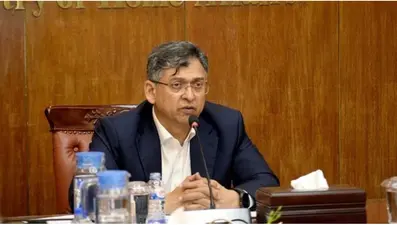
The Anti‑Terrorism Act, originally passed in 2009 under the Awami League, was recently amended in 2025. Government officials argue the changes aim to hold Awami League members accountable for past abuses and respond to demands from political parties and student movements.
However, the suppression of peaceful speech and association violates international human rights standards. The Bangladesh Editors’ Council warned that the law’s amendments would stifle freedom of expression and press freedom. Yunus has denied the allegations of curbing speech.
Meanwhile, conservative Muslim groups continue to engage in vigilante violence—often against alleged Awami League supporters or in opposition to women’s rights. The legal aid organization Ain o Salish Kendra (ASK) reports that at least 152 people have been killed in mob attacks since January. “We either get labeled 'terrorists' and jailed or face mob violence,” one activist said. “Guilt should be punished, but the Yunus government has failed to deliver fair justice.”
Under a July memorandum of understanding, the UN Office of the High Commissioner for Human Rights and the Bangladesh government launched a three‑year mission to promote and protect human rights in the country. UN human rights chief Volker Türk said the mission would send “an important message” about Bangladesh’s human rights commitments during the transition. The interim government has pledged to hold elections in February 2026.
“The Bangladeshi government must stop abusing the anti‑terrorism law—it is becoming political repression by another name,” Ganguly said. “Instead, the interim government should focus its energy on creating conditions for safe, inclusive elections.”
Source: Human Rights Watch