
Military dominance is the reason indigenous peoples’ rights are not being protected: Iftekharuzzaman
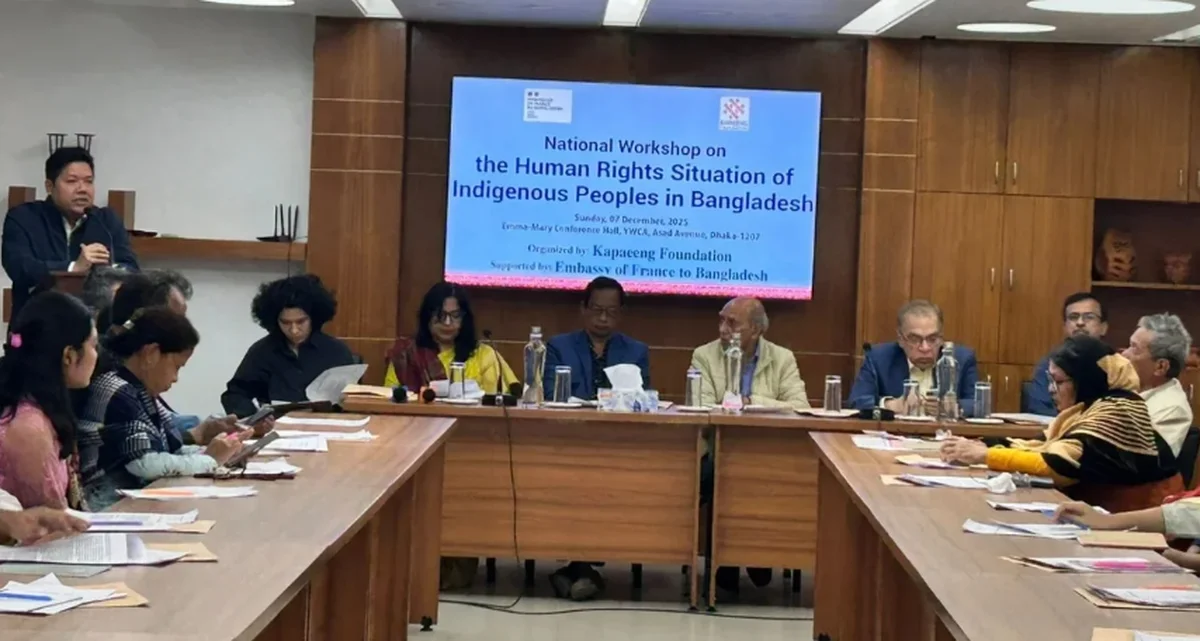
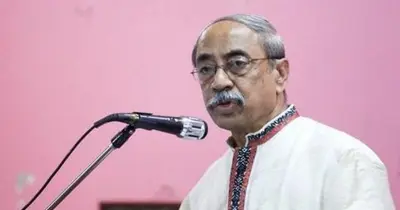
Transparency International Bangladesh (TIB) Executive Director Dr. Iftekharuzzaman has blamed long-standing military rule and structural discrimination for the violation of human rights of indigenous communities in Bangladesh. Speaking at a national workshop organized by the human rights organization, the Caping Foundation, in the capital on December 7, he said, "The force that is gaining global recognition for peacekeeping missions, why is it failing to establish peace within the country—this question is inevitable."
He further stated, "After the July coup, there was hope that indigenous people would get more inclusion and dignity. But in reality, the situation has not improved, and the human rights crisis has intensified." According to him, unless military rule is resolved, the government may consider handing over the situation to the United Nations.
At the workshop, Emily from the French Embassy’s Political Affairs Division mentioned that not only in Bangladesh but globally, indigenous communities are facing threats to their land, culture, and self-determination rights. The impacts of climate change, especially inequality in health and education sectors, are putting indigenous women at greater risk. She stated that state accountability is extremely important to address these issues, and France will continue its cooperation in this area.
Journalist and columnist Partha Shankar Saha alleged that crimes like murder and rape have become regular occurrences in the country, yet there is no effective law enforcement. The National Human Rights Commission has not been fully constituted, which has further weakened the protection of rights.
Jana Goswami, a representative of Bangladesh Mahila Parishad, stated that many indigenous people in the plains are still not well-organized; the administration often remains indifferent in cases of land grabbing, oppression, and displacement. No one dares to speak up about digital security and press freedom; the fear of mob justice is also a major obstacle.
Shamsul Huda, Executive Director of ALRD, emphasized that the protection of indigenous rights is not possible without a democratic government and fair elections. He called for constitutional recognition, special seats, a separate population census, and the formation of a land commission.
In his concluding remarks, Gorang Patra, Chairperson of the Caping Foundation, said, "The dream of pluralism in 2040 is now being damaged by extremists." He also raised concerns over military control in the hill regions and the safety of indigenous women, their livelihoods, and online harassment.
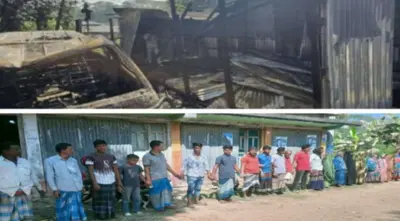
Presenting the main paper, Project Officer Trijinaad Chakma stated that in 2024, there were a total of 97 human rights violations against indigenous people in the country, of which 18 were land-related. In the first seven months of 2025, there were 49 incidents in which 368 people were affected. No incident has been properly investigated or judged.
He presented five recommendations—full implementation of the Chittagong Hill Tracts Agreement, constitutional recognition, separate land commission in the plains, ending impunity, and ensuring the safety of indigenous women.
Representatives of various indigenous organizations shared their experiences from the field at the workshop.