

Dragged and Burned: Bangladesh Garment Worker Lynched, Shocking the World
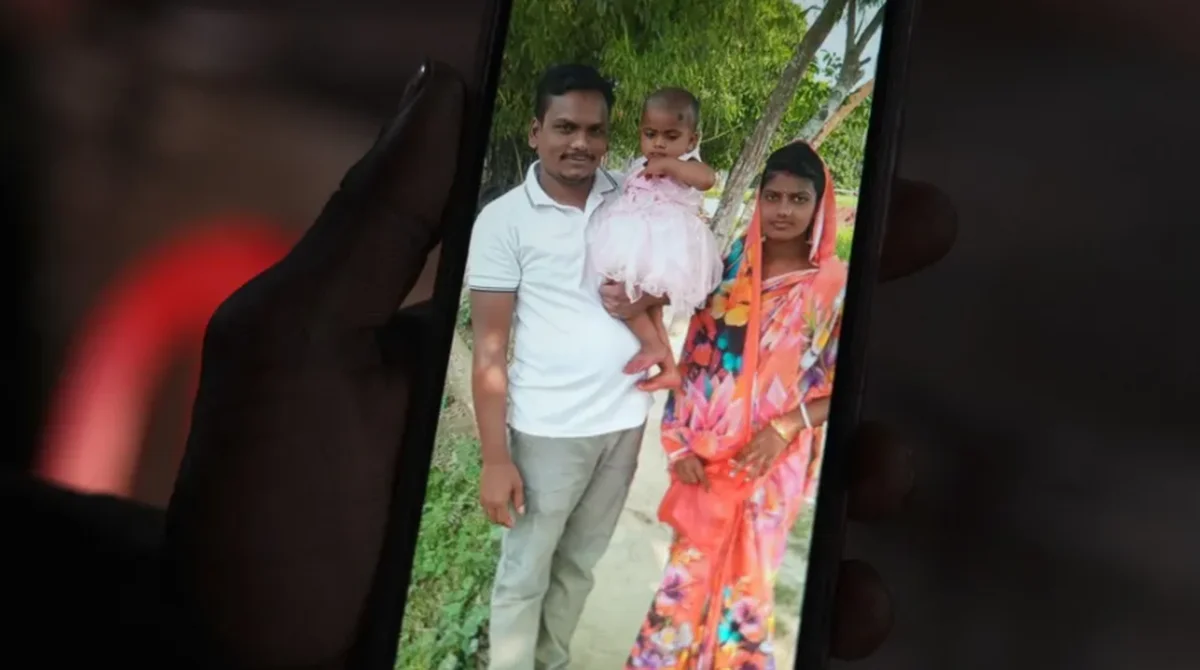
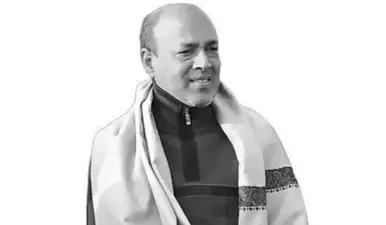
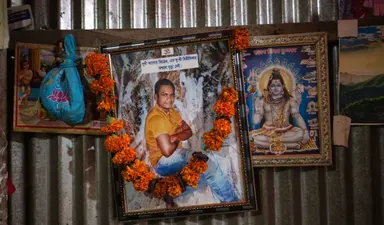
A BBC report has detailed the brutal killing of 28-year-old garment worker Dipu Chandra Das, who was lynched and burned by a mob in Bangladesh’s Mymensingh district on 18 December after being accused of insulting the Prophet Muhammad.
According to the BBC, Das left his modest tin-roofed home early that morning, saying goodbye to his parents, wife and 18-month-old daughter before travelling about 60km to the Pioneer Knitwear factory, where he worked as a junior quality inspector. He earned 13,500 taka (around $110) a month checking sweaters destined for major Western high-street brands.
Hours later, a rumour began circulating inside and outside the factory that Das had made an offensive remark about the Prophet during a conversation with colleagues. CCTV footage shows him clocking out and later returning to the production floor. As word spread, a crowd gathered outside the factory gates.
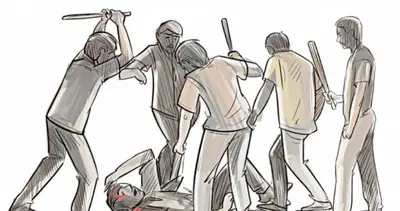
Police told the BBC that the mob swelled to more than a thousand people, forcing their way into the premises. Das was dragged out, beaten, hauled more than a kilometre through crowded streets, tied to a tree on a busy highway and set on fire. By the time officers reached him, he was already dead.
Authorities have arrested 22 people in connection with the killing, including factory co-workers and a local imam. Police estimate that around 150 individuals were directly involved in the attack. Investigators are treating the case as a hate crime.
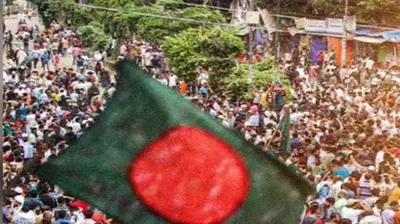
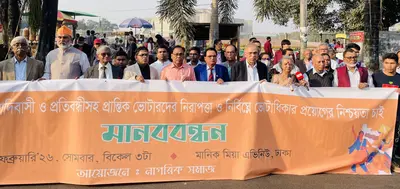
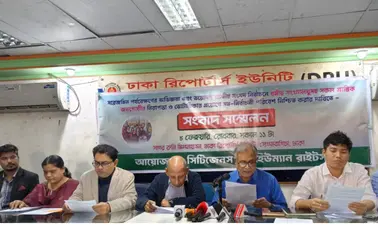
The killing triggered protests in Dhaka and drew international attention, particularly in neighbouring India, reigniting debate over the safety of religious minorities in Bangladesh. Hindus make up roughly 9% of the country’s 174 million population and have historically faced periodic tensions with the Muslim majority.
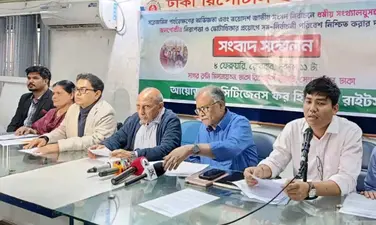
The interim government has stated that while hundreds of incidents involving minorities were recorded in 2025, most were not communal in nature. Human-rights groups, however, argue that violence against minorities has intensified since the 2024 student-led uprising that ousted former prime minister Sheikh Hasina.
Nobel laureate and interim government chief Muhammad Yunus has denied claims of widespread anti-Hindu violence, describing such reports as exaggerated or politically motivated. Nonetheless, Das’s killing has amplified concerns over mob justice and the spread of rumours that can quickly turn deadly.
Back in Mymensingh, Das’s family continues to grieve in the single-room home where they have lived for nearly 15 years. His employer has pledged financial support and promised to build the house he had long dreamed of constructing for his parents. The government has also announced compensation.
“Our life has stalled. Nothing is moving anymore,” his father, Rabi Das, told the BBC.