
Democracy in Bangladesh Ahead of February Election
Experts Warn ‘Mobocracy’ Threatens Minorities
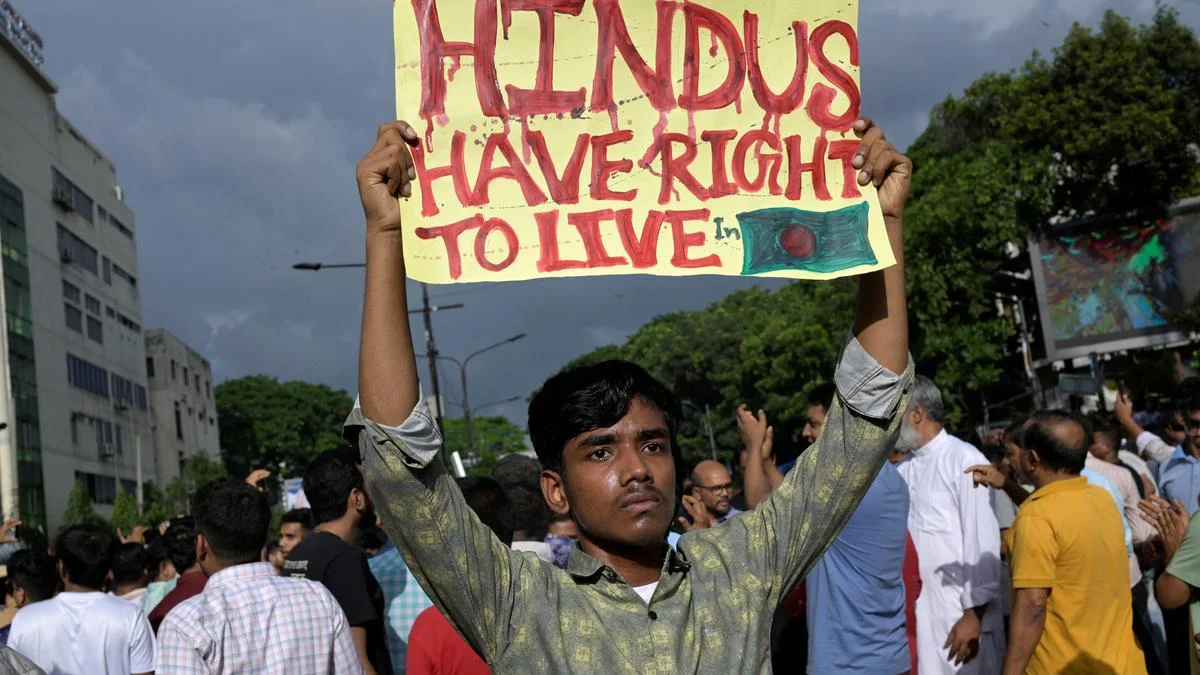
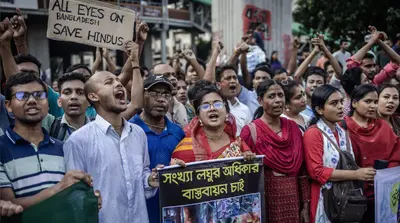
Bangladesh’s democratic foundations are increasingly under threat as mob violence and insecurity against minority communities rise, experts warned at a policy dialogue in Dhaka, raising concerns over the country’s political future ahead of the February 12 national election.
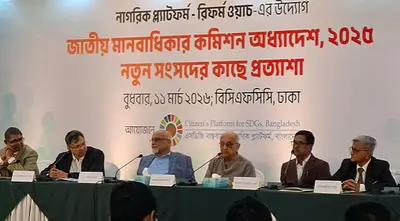
The warning came during a roundtable discussion titled “Democracy for All: Minority Rights, Representation and the National Election 2026”, organised on Sunday by the Centre for Governance Studies (CGS). The event brought together representatives of minority communities, civil society members, academics, journalists and human rights activists from across the country.
Participants highlighted that the protection of minority rights is impossible without strong rule of law, political accountability and meaningful representation in electoral politics. Discussions focused on the lived experiences of minorities and the responsibility of political parties to ensure safety, inclusion and credible commitments in their election pledges.
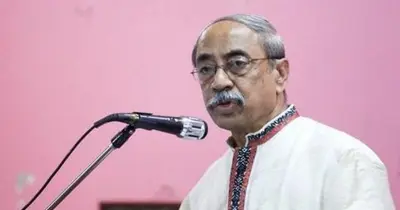
CGS President Zillur Rahman, opening the session, expressed deep concern over the quality of democratic practice in Bangladesh as the country approaches a critical election. “Democracy means a state where the voices of minorities are heard, even though they are fewer in number,” he said, urging authorities to recognise minorities as “assets” and to protect their dignity and security.
Referring to the shared struggle of the 1971 Liberation War, Rahman questioned whether minority communities would be able to participate freely and safely in the upcoming polls. “Will minorities be able to vote safely? Will representation be ensured? These are now open questions,” he said.
Senior Vice President of the Bangladesh Hindu-Buddhist-Christian Unity Council, Nirmal Rozario, stressed that minority rights are inseparable from broader human rights. “Minority rights are human rights. If minority rights are fully ensured, there should be no question about human rights,” he said.
Echoing similar concerns, Manindra Kumar Nath, acting general secretary of the Council, said minority communities continue to face insecurity and discrimination, raising doubts about the state’s commitment to addressing their grievances. “The government lacks the mindset to hear minority issues,” he remarked.
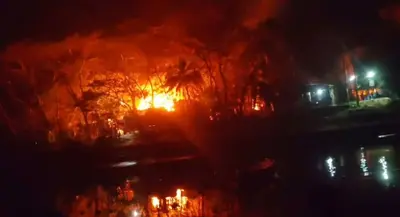
Several speakers sounded the alarm over escalating mob violence and warned of a breakdown in law and order. Jayanta Kumar Deb, president of the Dhaka Metropolitan Public Puja Committee, said the situation had reached a dangerous point. “Mobocracy is taking the lives of minorities,” he stated, questioning whether such violence aligns with the principles of the Liberation War.
Bangladesh has witnessed a worsening law and order situation in recent months, with reports of rising attacks on minority communities under the Muhammad Yunus-led interim government. The trend has sparked concern among domestic and international human rights organisations, who fear that continued violence and political inaction could further erode democratic norms and public trust ahead of the elections.