
Bangladesh Sees Surge in Violence as February 2026 Elections Approach: OMCT

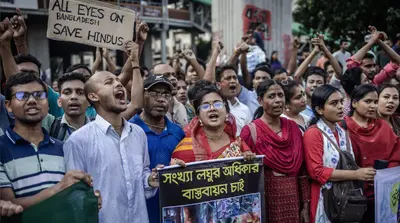
Bangladesh is witnessing an increase in violence and growing pressure on civic space as the country heads toward parliamentary elections scheduled for February 2026, according to two international human rights organisations.
The World Organisation Against Torture (OMCT) and the International Rehabilitation Council for Torture Victims (IRCT) said the ongoing political transition has been accompanied by targeted killings, mob violence, and attacks on media institutions, raising serious concerns about public safety and accountability.
In their assessment, the organisations referred to the fatal shooting of political activist Sharif Osman Bin Hadi and a series of mob attacks allegedly carried out by informal groups operating under the banner of “Tawhidi Janata.” These groups, they said, have used religious sentiment to justify acts of violence, including the killing of garment worker Dipu Chandra Das following religious accusations.
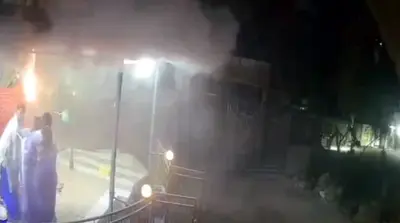
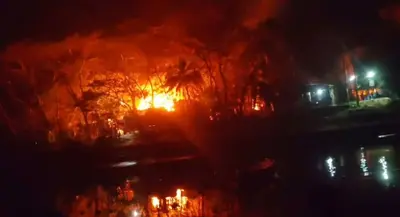
Media organisations have also come under attack. On December 18, 2025, coordinated arson assaults targeted the offices of The Daily Star and Prothom Alo, two of the country’s leading newspapers. According to the organisations, journalists and staff members were trapped inside the buildings during the attacks.
OMCT and IRCT said such violence against media outlets has further narrowed civic space and significantly worsened safety conditions for journalists. They warned that repeated attacks carried out with impunity could create a chilling effect on freedom of expression in the run-up to the elections.
The organisations noted that many of the physical attacks were preceded and intensified by online hate speech and explicit calls for violence on social media. Some of this content was circulated or amplified by individuals with large public followings, creating what they described as a “clear and present danger.”
Despite the installation of an interim government in August 2024, the groups said longstanding human rights violations have persisted. They reported at least 11 extrajudicial killings between July and September 2025, while torture and deaths in custody remain ongoing concerns.
The interim government has taken several steps to address abuses, including ratifying the International Convention for the Protection of All Persons from Enforced Disappearance and the Optional Protocol to the Convention against Torture (OPCAT). Authorities have also begun providing compensation to some victims and families affected by the July 2024 uprising, during which at least 1,400 people were killed.
However, human rights organisations said many victims of the uprising still lack access to truth, justice, and rehabilitation. They described a marked deterioration in the overall human rights situation and stressed that formal commitments must be matched by concrete action.
The organisations called for independent investigations into recent killings, the establishment of a National Preventive Mechanism in line with OPCAT requirements, effective enforcement of the Torture and Custodial Death (Prevention) Act, 2013, and comprehensive medical, psychological, and legal support for survivors of torture.
They warned that failure to ensure accountability and protect media institutions could undermine Bangladesh’s democratic transition ahead of the February 2026 elections.