
Wave of Violence Rocks Bangladesh: Minorities, Media, and Foreign Interests Targeted Over 13 Days
Bangladesh experienced a troubling wave of unrest over a 13-day period in mid-December 2025, marked by a series of violent incidents that targeted religious minorities, media institutions, political figures, and foreign diplomatic interests. The developments, unfolding between December 11 and December 24, have raised serious concerns about law and order, minority protection, press freedom, and political stability as the country moves closer to its national elections scheduled for February 2026.
According to multiple reports and local documentation, at least 13 significant incidents of violence were recorded across different regions of the country, including Dhaka, Chattogram, Mymensingh, Rangpur, Rajshahi, and parts of southern Bangladesh. These incidents involved mob attacks, arson, vandalism, intimidation, and clashes with law enforcement, affecting both individuals and institutions.
The unrest appears to have intensified following the death of Sharif Osman bin Hadi, a youth activist associated with a political movement critical of the existing power structure. His death, which occurred after sustaining gunshot injuries earlier in Dhaka, became a rallying point for protests that rapidly escalated beyond peaceful demonstrations.
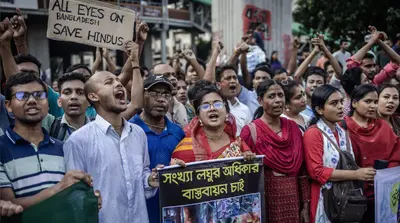
Large crowds gathered in key areas of the capital and other cities, initially demanding accountability and justice. However, in several instances, these gatherings devolved into violence, with demonstrators attacking symbolic targets, political opponents, and institutions perceived as hostile to their cause. Analysts note that the volatile political environment, combined with heightened emotions and the spread of misinformation, contributed significantly to the rapid escalation.
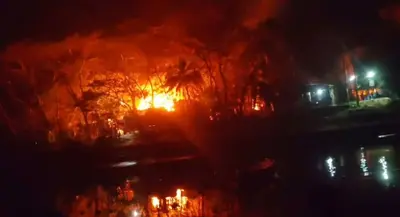
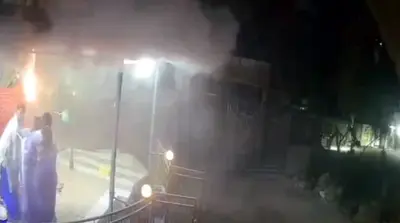
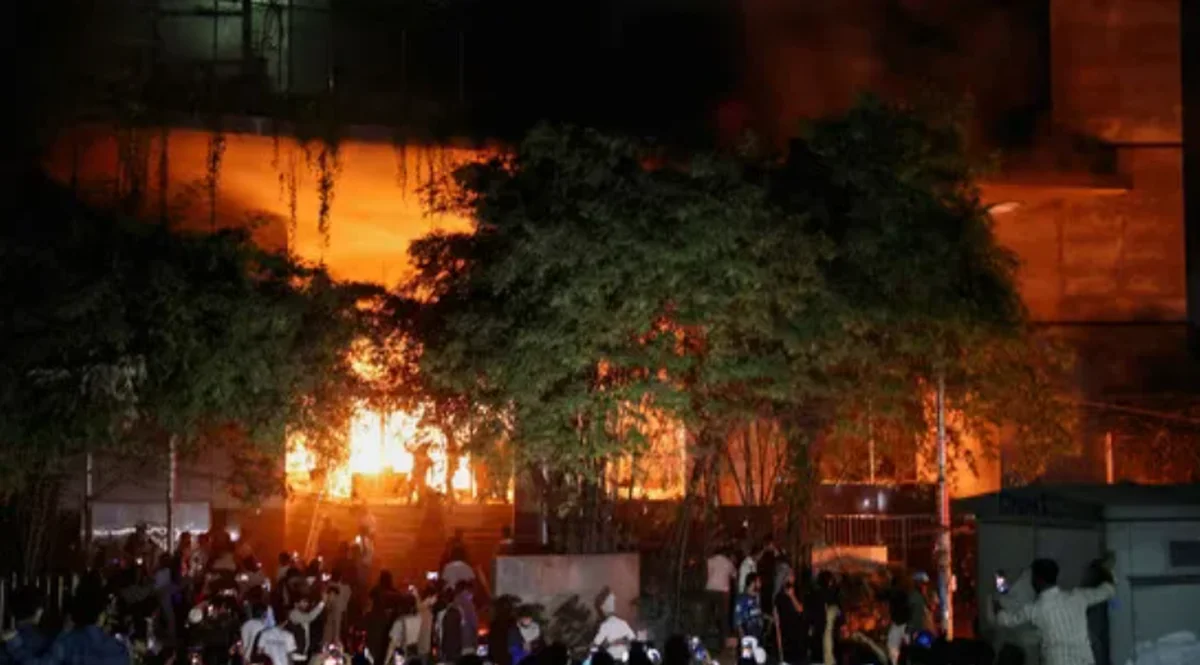
One of the most alarming aspects of the unrest was the direct targeting of major media organisations. On December 18, mobs attacked the offices of leading national newspapers, including Prothom Alo and The Daily Star, in Dhaka’s Karwan Bazar area.
Attackers reportedly vandalised property, damaged equipment, and set parts of the buildings on fire, forcing journalists and staff members to flee for safety. The attacks disrupted news operations and sent shockwaves through the journalistic community.
Media rights organisations and press freedom advocates strongly condemned the incidents, warning that violence against news outlets undermines democratic accountability and the public’s right to information. Several journalists’ associations described the attacks as an attempt to silence independent voices and intimidate critical reporting during a politically sensitive period.
A significant portion of the violence during this period disproportionately affected Hindu communities across multiple districts. Reports indicate that Hindu individuals and neighbourhoods were targeted following rumours, allegations, and communal provocations, many of which spread rapidly through social media and local networks.
In Mymensingh district, a Hindu man was killed by a mob after being accused of making offensive remarks, an allegation that authorities later said lacked substantiated evidence. The incident triggered nationwide outrage and condemnation from civil society groups, minority organisations, and international observers.
Additional incidents included arson attacks on Hindu homes in parts of Chattogram district, vandalism of temples, and physical assaults on individuals belonging to minority communities. In some cases, families were forced to flee their homes temporarily due to fear of further attacks.
Human rights organisations have warned that such incidents reflect deeper vulnerabilities faced by religious minorities during periods of political instability, particularly when law enforcement responses are delayed or overwhelmed.
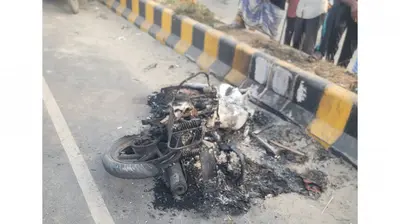
Police and security forces were deployed in large numbers across affected areas, and curfews or restrictions on public gatherings were imposed in some localities. Authorities reported multiple injuries among civilians and security personnel as clashes erupted between mobs and law enforcement.
Despite these measures, critics argue that the response was often reactive rather than preventive. In several incidents, mobs were able to assemble and carry out attacks before security forces arrived. Officials, however, maintained that the scale and unpredictability of the unrest posed significant operational challenges.
The government has announced investigations into several of the incidents and promised accountability for those responsible, regardless of political or religious affiliation.
Another dimension of the unrest involved protests directed at Indian diplomatic interests. Demonstrators gathered outside Indian visa centres and diplomatic offices, accusing India of undue influence over Bangladesh’s internal political affairs.
As a precautionary measure, some Indian missions temporarily suspended consular services, citing security concerns. The protests also triggered demonstrations outside Bangladeshi diplomatic missions in India, where activists and members of the diaspora demanded protection for minorities and accountability for acts of violence.
These developments added a regional and diplomatic layer to the crisis, prompting calls for restraint and dialogue from observers concerned about bilateral relations.
The interim government of Bangladesh has rejected claims that the violence represents systemic persecution of minorities or a breakdown of communal harmony. Officials described many reports as exaggerated or misleading and emphasised the country’s constitutional commitment to religious freedom and pluralism.
At the same time, opposition figures and civil society leaders have criticised the government’s handling of the situation, accusing authorities of failing to act decisively in the early stages of unrest and allowing extremist elements to exploit the chaos.
International reactions have been mixed, with several governments and global human rights organisations expressing concern over specific incidents, particularly those involving minority communities and attacks on the press.
Experts have highlighted the role of social media in amplifying tensions during the unrest. Rumours, unverified claims, and inflammatory content circulated widely, often preceding outbreaks of violence.
Digital rights advocates have called for stronger monitoring mechanisms, improved fact-checking, and greater public awareness to counter the rapid spread of misinformation, especially during politically sensitive periods.
With Bangladesh’s national elections scheduled for February 2026, the December unrest has intensified scrutiny of the country’s political climate and institutional resilience. Observers warn that continued instability could undermine public confidence in the electoral process and deepen social divisions.
Analysts stress the importance of restoring trust, ensuring accountability, and reinforcing protections for minorities and journalists to prevent further escalation. The coming weeks are expected to be critical in determining whether the country can stabilise the situation and conduct peaceful elections.
The 13-day wave of violence in Bangladesh during December 2025 represents a significant challenge to the nation’s social cohesion, democratic institutions, and international standing. While authorities insist that the situation is under control, the scale and diversity of the incidents — ranging from attacks on minorities and media to diplomatic protests — underscore the fragile balance facing the country at a pivotal political moment.
As Bangladesh moves toward national elections, the ability of the state to uphold law and order, protect vulnerable communities, and safeguard freedom of expression will play a decisive role in shaping its democratic future.