

Rising Mob Violence Signals Crisis of Governance and Public Safety
Bangladesh is facing a troubling rise in violence, disorder, and social instability that reflects a deeper crisis of governance and civil protection. What should have been a transitional period toward stability has instead seen a marked deterioration in public safety and institutional authority.
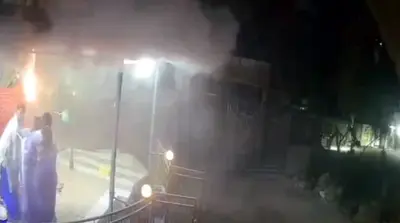
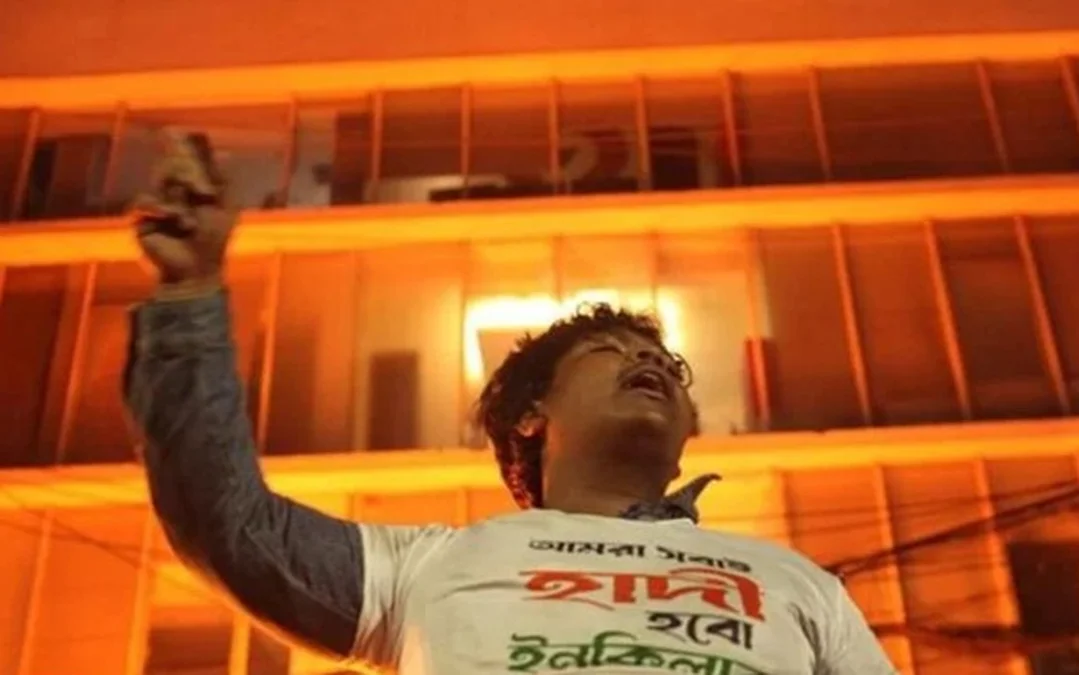
Since the change in leadership of the interim government, incidents of mob violence — including lynchings, arson, attacks on media institutions, and public disorder — have become alarmingly frequent. There has been a significant increase in extrajudicial violence, with large numbers of individuals reportedly killed or harmed in mob attacks across the country.
This escalation is not merely isolated unrest but represents a systemic breakdown of law enforcement and civic protection. Rather than curbing violence, state mechanisms have, at times, appeared unable or unwilling to uphold public safety, creating an environment in which vigilante justice competes with due process and formal legal protection.
Journalists, media outlets, and civil society actors have also faced serious threats. News organizations have been targeted, their facilities damaged, and personnel intimidated, highlighting how deeply lawlessness has penetrated everyday life and how fragile civic freedoms have become.
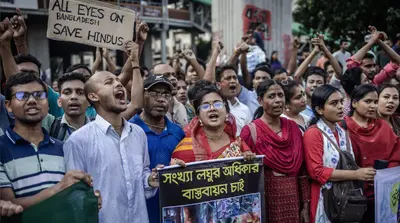
Condemning violence in rhetoric alone is insufficient without effective governance and meaningful enforcement of the rule of law. When mobs attack public institutions, threaten minorities, and disrupt daily life, statements of calm offer little reassurance to communities living in fear.
A government that cannot ensure the impartial protection of life and liberty falls short of its fundamental responsibilities. For those who value human dignity, constitutional order, and peaceful coexistence, the current state of mob violence in Bangladesh serves as a stark warning: law and order must be restored, democratic structures strengthened, and civic protections reinforced to prevent deeper fragmentation and prolonged instability.