


Michael Rubin Labels Yunus a ‘Dictator’, Urges US Sanctions over Bangladesh Rights Abuses
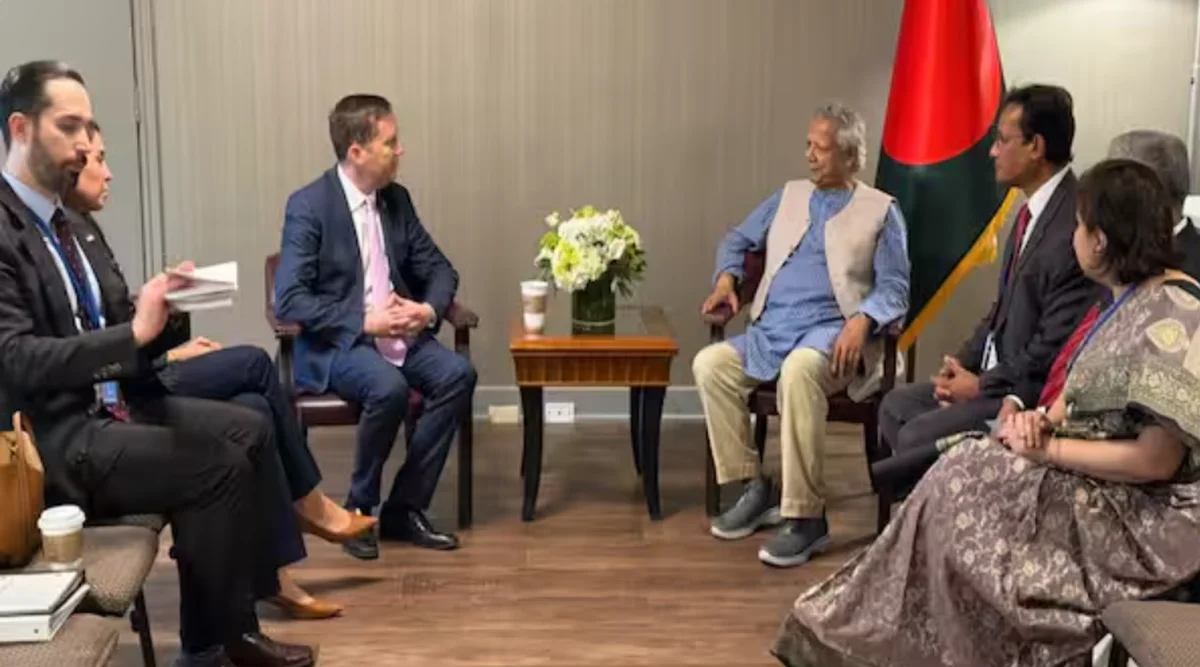
Senior Fellow at the American Enterprise Institute (AEI), Michael Rubin, has called for the United States to impose personal sanctions on Bangladeshi interim leader Dr. Muhammad Yunus, describing him as an authoritarian figure complicit in a “slow-motion coup” against democracy in Bangladesh.
Writing in a recent column for Firstpost, Rubin criticized both the Biden and Trump administrations for what he described as dangerously naïve foreign policy toward Bangladesh, accusing Yunus of unleashing a wave of repression under the guise of reform.
“What Yunus pitched as reform was autocracy and retribution by any other name,” Rubin wrote, adding that Yunus has imprisoned political opponents, secularists, and journalists while releasing extremists and militants “not on human rights grounds, but to make room for his political enemies.”
Rubin’s commentary traces the collapse of the Sheikh Hasina government in 2024 amid student-led protests. While the Biden administration welcomed the transition at the time, Rubin now claims the protests were inflamed by Pakistan’s ISI, with Qatari and Turkish funding, as part of a broader plot to destabilize Bangladesh’s secular framework.
“Bangladesh Becoming Second Pakistan”
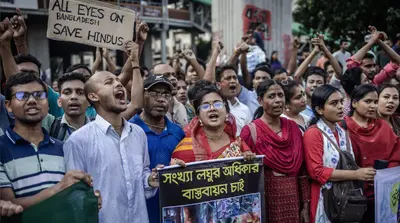
Rubin warns that under Yunus, Bangladesh is at risk of being transformed into “a second Pakistan—terror-sponsoring and intolerant.” He asserts that the current interim regime is targeting Hindu and Christian minorities, as well as pro-democracy voices, while misusing Yunus’ Nobel Peace Prize status to shield political repression.
Drawing parallels between current events in Bangladesh and the fall of Iran into theocratic rule under Ayatollah Khomeini in 1979, Rubin cautions:
“Trump and Rubio’s blind spot toward Bangladesh and Yunus’ effort to transform Bangladesh into an incubator of intolerance and Islamist radicalism will be as consequential to regional security as President Jimmy Carter’s naïve belief that Khomeini sought democracy.”
Calls for Stronger US Action
Rubin urged the US administration to abandon support for Yunus and recognize the political crisis for what it is:
- Sanction Yunus under the Global Magnitsky Act
- Designate Jamaat-e-Islami as a terrorist organization
- Restore recognition of Sheikh Hasina’s leadership until a free and fair election is possible
- Add Bangladesh to the US Religious Freedom Watchlist
Rubin, who previously served as a Pentagon official and election observer in Bangladesh in 2008, stressed that although Sheikh Hasina’s government had flaws, her elected leadership was far more legitimate and stable compared to the unelected interim regime now in power.
Sheikh Hasina, who led the Awami League and ruled Bangladesh for over two decades, resigned in August 2024 following large-scale student protests initially over public service quotas. Rubin now alleges the protests were part of a foreign-backed operation to engineer regime change.
Despite early international praise for the student-led movement and Yunus' leadership, the country has since experienced mass arrests, alleged human rights violations, and a rise in religious extremism, drawing increasing criticism from global observers and think tanks.