


Extrajudicial Killings and Custodial Deaths Surge in Bangladesh in 2025: ASK Report
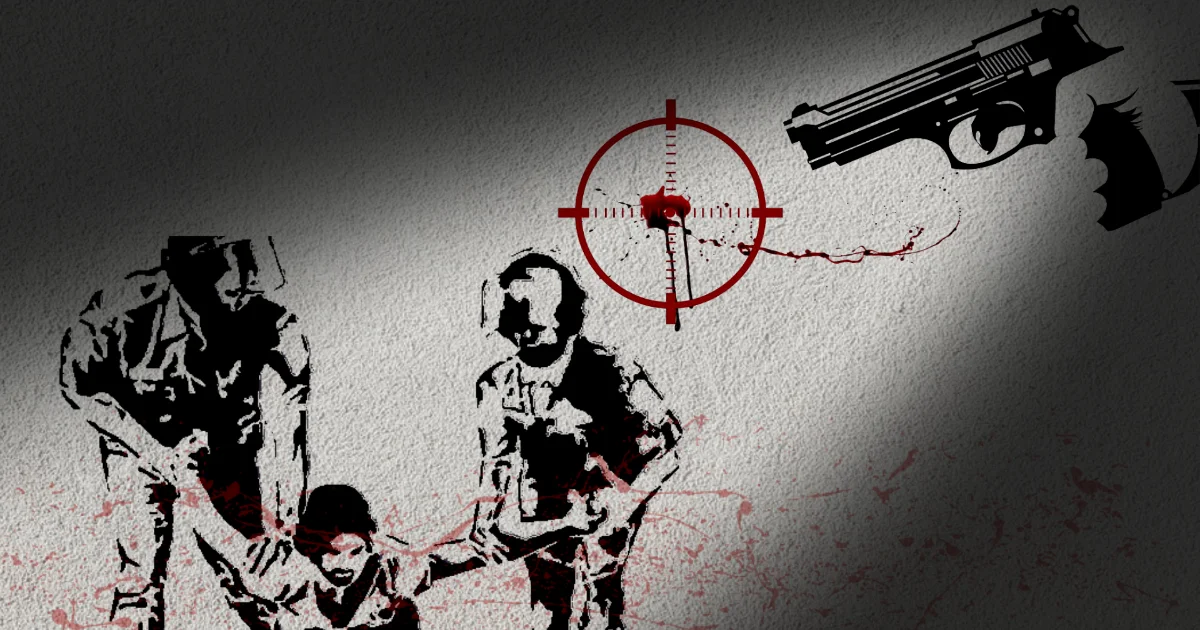
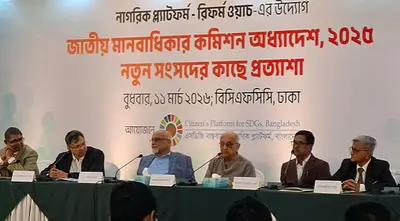
Bangladesh witnessed a disturbing rise in extrajudicial killings and deaths in custody throughout 2025, deepening concerns about the rule of law, accountability, and the conduct of law enforcement agencies, according to an annual human rights report by Law and Salish Kendra (ASK).
The report, formally released on Wednesday, documents a continued pattern of deaths occurring during police operations, alleged “gunfights,” and while individuals were in state custody. ASK noted that these incidents were not isolated, but indicative of systemic failures in safeguarding fundamental human rights.
Rise in Extrajudicial Killings
According to ASK’s monitoring unit, at least 38 people were killed in extrajudicial incidents in 2025, often described by authorities as deaths during “crossfire” or “gunfights.” These incidents took place either while victims were in the custody of law enforcement agencies or during joint operations involving police and other security forces.
Of the total, 26 people were killed in alleged gunfights or while under joint force custody, while at least 12 died inside police custody at different police stations across the country. ASK highlighted that such killings continue to occur without transparent investigations or accountability mechanisms.
In comparison, 21 extrajudicial killings were recorded in 2024, indicating a significant increase in 2025. ASK expressed concern that the continued use of lethal force under disputed circumstances undermines constitutional guarantees of due process and the right to life.
Surge in Deaths in Custody
The report also reveals a sharp increase in custodial deaths in Bangladesh’s prisons. In 2025, at least 107 people died in jails nationwide, compared to 65 deaths reported in 2024.
Among the deceased, 69 were undertrial detainees, while 38 were convicted prisoners, raising serious questions about prison conditions, access to healthcare, and the treatment of detainees. The highest number of deaths occurred at Dhaka Central Jail, where 38 inmates died, followed by Gazipur Jail with seven deaths. The remaining deaths were reported from prisons across other districts.
One of the most controversial cases cited in the report is the death of Saidur Rahman Sujan (45), a former union parishad chairman of Birulia Union in Savar. His body was recovered from Dhaka Central Jail on June 14, 2025. Prison authorities claimed he died by suicide, but his family alleged that he suffered from heart disease, was denied proper medical treatment, and could not have taken his own life.
Another widely debated incident involved former Industries Minister Nurul Majid Mahmud Humayun, who died on September 29, 2025, while undergoing treatment in custody. Although police stated he was hospitalised a day earlier and died the next morning, public outrage followed the circulation of images on social media showing him being transported while still handcuffed, even after death.
ASK stressed that the persistence of extrajudicial killings and custodial deaths reflects a serious erosion of accountability within law enforcement and correctional institutions. The organisation noted that investigations into such deaths are often delayed, opaque, or absent, while families of victims rarely receive justice.
Human rights activists argue that the use of lethal force without judicial oversight and the failure to ensure detainees’ safety violate both national laws and Bangladesh’s international human rights obligations.
ASK warned that unless immediate and effective measures are taken to end extrajudicial practices, ensure independent investigations, and improve prison healthcare and oversight, public trust in the justice system will continue to erode, further weakening the rule of law in the country.