



Bangladeshi Workers in Malaysia Face Unrestrained Exploitation
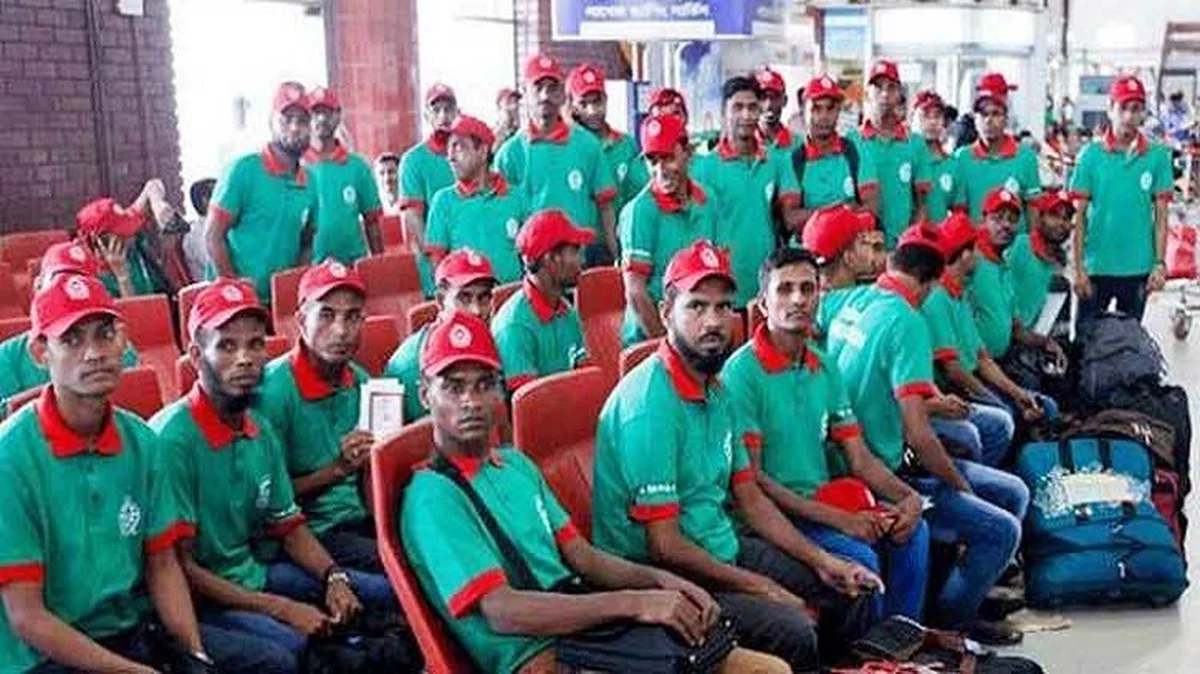
United Nations human rights experts have warned that Bangladeshi migrant workers in Malaysia are facing “widespread and systemic” exploitation, fraud, and rising debt bondage, affecting hundreds of thousands of laborers who contribute to Malaysia’s workforce.
According to the UN findings, more than 800,000 Bangladeshis are currently employed legally in Malaysia with valid work permits, making them the largest group among foreign workers in the country. Despite this, thousands remain stranded in Bangladesh or fall victim to exploitation after arriving in Malaysia, largely due to paying recruitment costs up to five times higher than the government-approved fee.
Meenakshi Ganguly, Deputy Director for Asia at Human Rights Watch, wrote on the organization’s official website that abuses include confiscation of workers’ passports by employers, false job promises, discrepancies between employment contracts and promised benefits, and insufficient support from responsible government agencies—problems that have become alarmingly common across Malaysia.
Risk of Arrest and Deportation
Workers without proper documentation face arrest, detention, abuse, and deportation under Malaysia’s stringent immigration laws, which classify irregular entry as a criminal offense. Regular immigration raids continue across the country, with nearly 18,000 migrants, refugees, and asylum seekers currently held in various detention facilities.
The United States previously imposed import bans on several Malaysian factories over forced labor concerns. Similarly, the European Union’s new Forced Labour Regulation—set to take effect in 2027—will place trade restrictions on goods produced through forced labor. Reports of debt bondage and recruitment fraud could trigger future bans under this regulation.
Call for Accountability
UN experts have stressed that governments of both sending and receiving countries—including Bangladesh, Malaysia, the United States, EU member states, and the United Kingdom—must ensure protection of migrant workers’ rights throughout the recruitment and employment process. They urged Malaysia and Bangladesh to promptly investigate all allegations and guarantee effective remedies.
The experts also warned that “forced deportation or any form of retaliatory measures” would constitute a violation of international human rights laws.
Guidelines for International Buyers
International companies sourcing products from Malaysia have been advised to follow the Fair Labor Association’s Guidance for Responsible Recruitment. The guideline recommends that buyers factor responsible recruitment costs into their expenses and ensure suppliers include such costs transparently in invoices. Buyers are also encouraged to support migrant workers in accessing legal assistance.
Urgent Reforms Needed
Human rights advocates say Bangladesh and Malaysia must immediately act to halt the abuse of migrant workers. Countries benefiting economically from migrant labor should implement rapid reforms to prevent further international sanctions and reduce the ongoing suffering of thousands.