




Trial of Sheikh Hasina and Asaduzzaman Khan Was Not Fair or Just: Amnesty International

The UK-based human rights organisation Amnesty International has stated that the death sentences handed down to deposed former prime minister Sheikh Hasina and former Home Minister Asaduzzaman Khan are not “fair or just.” According to the organisation, although the verdict was issued for crimes against humanity committed during the July mass uprising, there are various problems within the judicial process.
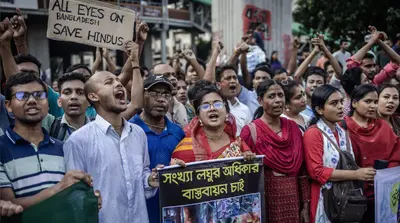
Amnesty’s Secretary General Agnès Callamard said that during the student-led protests in July–August 2024, serious human rights violations and crimes against humanity took place. Those accused should be tried through a fair and just process. However, neither the trial nor the death sentences were conducted fairly. As a result, justice and accountability for the victims have become more difficult. Callamard added, “The death penalty is the most cruel, inhuman and degrading punishment. It has no place in any justice system.”
According to Amnesty International’s report, more than 1,400 people were killed and thousands injured between July and August 2024. Under such circumstances, an independent and impartial judicial process is essential for the victims and the families of those killed. The organisation stated that due to the lack of independence of the International Crimes Tribunal and unfair trial proceedings, the case was not adjudicated properly. In addition, the trial was conducted at high speed in the absence of the accused, and the appointed lawyer was not given sufficient time. There was also no opportunity to scrutinise certain evidence.
Amnesty said that Bangladesh’s judicial process must be completely impartial and that human rights must not be violated through the imposition of the death penalty. The organisation clearly stated that it does not support the death penalty under any circumstances, with no exceptions. Regardless of the nature of the crime, the situation, or the guilt or innocence of the accused, Amnesty does not support capital punishment.