

Violence Against Women, Children, and Minorities Rising in Bangladesh Ahead of Election
Ahead of the upcoming national election scheduled for 12 February, violence against women, girls, and religious and ethnic minorities in Bangladesh has increased at an alarming rate, according to the international human rights organization Human Rights Watch (HRW). This will be the country’s first general election since the “Monsoon Revolution” of August 2024. However, the pre-election situation clearly highlights the interim government’s failure to protect human rights, the organization believes.
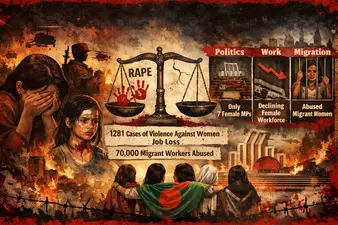
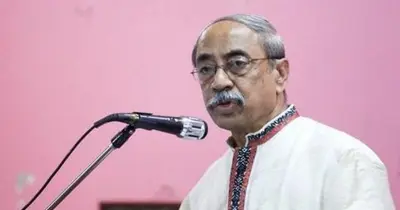
In an analysis published on the Human Rights Watch website, Shubhojit Saha, Senior Coordinator of the organization’s Women’s Rights Division, noted that according to police data, incidents of gender-based violence increased significantly between January and June 2025 compared to the same period in 2024. According to Dr Fauzia Moslem, President of Bangladesh Mahila Parishad, the rise in violence is the result of provocative rhetoric and activities by active religion-based groups seeking to restrict women’s freedom of movement and social participation.
In May 2025, several hardline religious groups staged protests against initiatives aimed at strengthening women’s rights and gender equality and called for the suspension of activities they claimed were “anti-Islamic.” Since then, women and girls have been subjected to verbal, physical, and digital abuse, creating an environment of fear and silence.
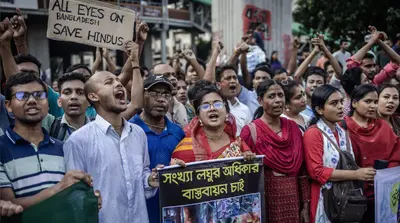
The situation of religious minorities is also worrying. In December, 27-year-old garment worker Dipu Chandra Das was beaten to death following allegations of blasphemy. According to rights organizations, at least 51 incidents of violence against the Hindu community have occurred in recent times, including 10 killings. In addition, ethnic minorities in the Chittagong Hill Tracts are allegedly facing repression by security forces.
Women’s participation in the political arena also remains limited. Of the 51 registered political parties contesting the upcoming election, 30 have no female candidates. The Islamist party Jamaat-e-Islami has not nominated a single woman among its 276 nominated candidates.
Human Rights Watch stated that the government should implement the recommendations of the Women’s Affairs Reform Commission, increase women’s representation in parliament, follow the United Nations’ “Women, Peace and Security” agenda, and fulfill its international obligations under CEDAW and the ICCPR. The organization also urged the government to ensure the protection of religious and ethnic minorities in accordance with the Constitution.
Source: HRW