
Custodial Deaths Surge Alarmingly in Bangladesh: Rights Groups Raise Concerns
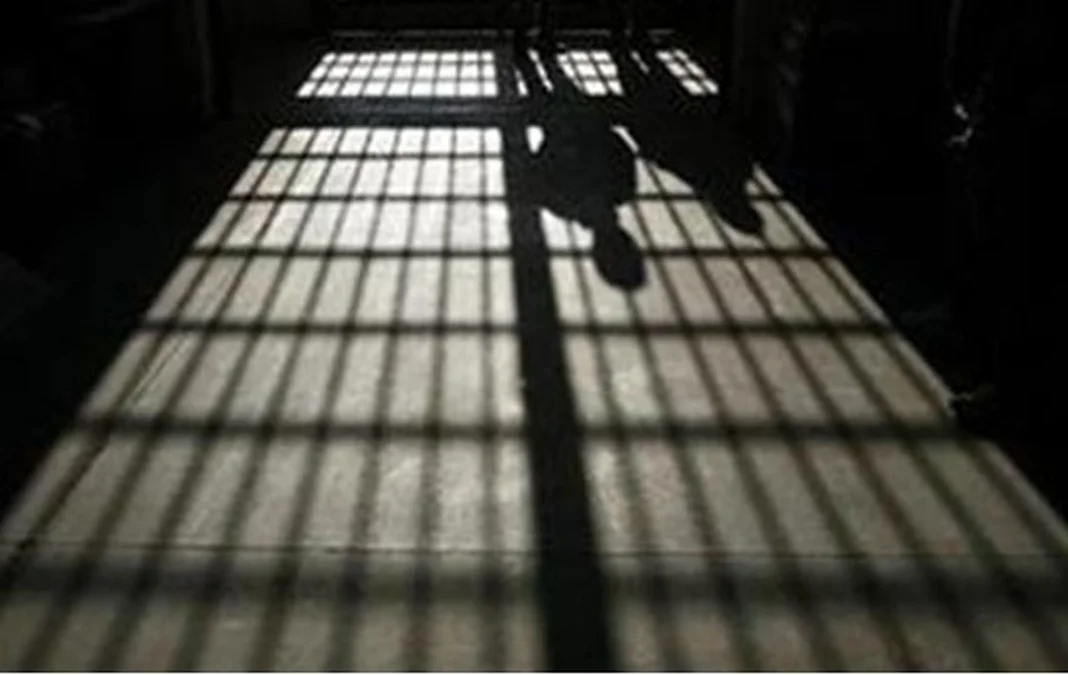
Deaths in the custody of law enforcement agencies in the country have increased alarmingly. From January to mid-November of the current year, at least 31 citizens have died in operations by various forces, in alleged gunfights, due to torture, and from gunfire. Human rights organizations say the number has risen abnormally in recent months, which has further exposed the lack of institutional accountability and transparency.
The death of Firoza Ashrafi, a private university lecturer, on 11 July in police custody in Vatara, Dhaka, has raised questions anew. Similarly, the recent deaths of two individuals named Muktar Hossain and Shahadat Hossain in the custody of the Detective Branch (DB) in Dhaka and Sirajganj have caused intense public concern. While doctors reported injury marks on Shahadat’s body, police claim he died of breathing complications.
According to data from the Human Rights Support Society (HRSS), from January to October, eight people were killed in clashes, four from torture, 12 in custody, and seven from gunfire. Another seven died while fleeing out of fear of the police. On the other hand, the Legal Aid and Human Rights organization Ain o Salish Kendra (ASK) has reported that from January to 22 November, at least 15 people have died in the custody of various forces. ASK says that this is not merely a number; rather, it is a grave reflection of state irresponsibility.
Nur Khan Liton, a human rights activist and a member of the Disappearance Commission, said that deaths in custody reached horrific proportions during authoritarian rule, but after the recent political change, improvement was expected. But the reality is different. According to him, unless an independent and unbiased judicial investigation is ensured in each death, trust in the rule of law will not return.
Incidents throughout the year show that detainees have died from torture, lack of medical treatment, or gunshot wounds after operations by joint forces or police. Such deaths have occurred in various districts including Noakhali, Cumilla, Barishal, Sylhet, and Moulvibazar. Family members allege that, in many cases, no answers are given to questions such as what happened after the arrest or why the detainees were shot or injured.
Meanwhile, the Manabadhikar Sangskriti Foundation (MSF) reported in its October publication that the rate of unidentified bodies being recovered and deaths in prison custody has increased. In October, 66 unidentified bodies were recovered—significantly higher than in September. In the same month, 13 prisoners died in prison custody, almost double the figure of the previous month. The organization says such incidents are further increasing insecurity in public life.
According to legal experts, although Bangladesh enacted the Torture and Custodial Death (Prevention) Act in 2013, its implementation is extremely weak. Unless the law is properly enforced, it is unlikely that this trend of deaths will stop.
Overall, the rise in custodial deaths, the recovery of unidentified bodies, political violence, and mob beatings—all reveal a deepening crisis of state accountability. Human rights organizations say that if these incidents are not brought under control, public trust in law and order will further decline.