
Human Rights Situation ‘Disappointing and Alarming’ in 2025: HRSS Report
The human rights situation in the country remained “disappointing and alarming” throughout 2025 due to the failure of law enforcement agencies, ineffective government responses, and the irresponsibility of major political parties, according to the annual report of the Human Rights Support Society (HRSS).
The report, released yesterday, stated that despite expectations of improvement following the July uprising and the formation of an interim government led by Nobel laureate Dr Muhammad Yunus, human rights violations not only persisted but intensified during the year.
Although some reform initiatives were taken, HRSS described them as insignificant when compared to the scale and gravity of the violations recorded.
Based on reports published in 15 national newspapers, the organisation documented 914 incidents of political violence in 2025, which left at least 133 people dead and 7,511 injured. The violence stemmed from struggles over political dominance, acts of revenge, disputes over committee formation, election-related conflicts, extortion, and attacks on property.
Intra-party clashes within the BNP accounted for 486 incidents, resulting in 82 deaths and 4,716 injuries. Clashes between the BNP and other political parties, including the Awami League, Jamaat, and NCP, caused hundreds of additional casualties.
At least 169 attacks carried out by extremists and criminal groups targeted political leaders and activists, killing 108 people and injuring 189. More than 250 people were shot, while thousands of homes, offices, businesses, and vehicles were vandalised, looted, or set on fire.
Rising political tensions ahead of the upcoming national election triggered widespread clashes, arson, vandalism, and targeted attacks on potential candidates and party supporters. Protests, road blockades, strikes, and attacks on residences and offices further heightened instability.
Between October and December, at least 54 election-related incidents were recorded, leaving three people dead and 494 injured.
One notable incident occurred on December 18, when Sharif Osman Hadi, a frontline participant in the July uprising and a potential candidate for Dhaka-8, died from injuries sustained after being shot in broad daylight on December 12.
Earlier, BNP activist Sarwar Hossain was killed during a campaign rally in Chattogram on November 5, while three others, including BNP candidate Ershad Ullah, were injured. In Mymensingh-3, student wing activist Tanzeen Ahmed was killed in intra-party clashes.
The report recorded 292 incidents of mob violence and public lynching, resulting in 168 deaths and more than 248 injuries. Victims were often publicly humiliated, beaten, or burned alive based on suspicion, rumours, or allegations of theft or sacrilege.
Journalists faced 318 attacks affecting at least 539 individuals. Three journalists were killed, 273 injured, 57 extorted, 83 threatened, and 17 arrested. Additionally, 107 journalists were named in legal cases across 34 incidents.
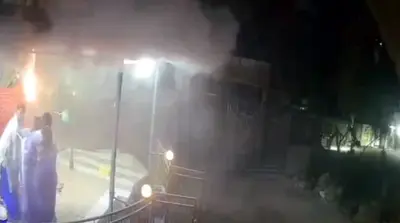
Following Hadi’s death, mobs attacked the offices of several media organisations in Dhaka, vandalising, looting, and setting buildings on fire. New Age editor Nurul Kabir was harassed during the unrest.
Several journalists, including former Jatiya Press Club president Shawkat Mahmud and Anis Alamgir, were detained under security and anti-terrorism laws. In March, a female journalist was raped in Dhaka.
Violence against women and girls remained widespread. At least 2,047 women and girls were subjected to violence, including 828 victims of sexual assault, of whom 474—around 57 percent—were under the age of 18. Gang rape cases affected 179 women and girls, with 28 killed and 10 dying by suicide. Another 414 individuals, including 236 children, faced sexual harassment.
Dowry-related violence killed 35 people, injured 32, and drove four to suicide. Domestic violence caused 383 deaths, 133 injuries, and 194 suicides. Acid attacks killed two people and injured two others.
Child abuse cases totalled 1,371, including 288 deaths and 1,083 cases of physical or psychological abuse.
In 2025, at least 244 cases were filed against the ousted prime minister Sheikh Hasina, the Awami League, and other party leaders, naming 11,935 accused and listing 42,523 unidentified individuals. More than 50,000 people were arrested in various cases and joint operations, mostly linked to the Awami League and its affiliated organisations. At least 47 members of the banned organisation Hizb-ut-Tahrir were also arrested.
Under the Cybersecurity Act 2023 and the Cyber Protection Ordinance 2025, 24 people were arrested and 54 charged in 27 cases. Law enforcement agencies disrupted 47 assemblies, imposed Section 144, and arrested 36 individuals.
At least 40 people were killed due to police custody deaths, torture, shootings, alleged gunfights, or clashes with law enforcement agencies. Of these, six died in clashes or alleged gunfights, 12 through torture, 12 in custody, and 10 were shot dead. Additionally, at least 30 prisoners and 62 detainees died in custody due to illness, suicide, or torture.
Along the India–Bangladesh border, 30 Bangladeshis were shot dead, two beaten to death, 39 injured, and 63 detained by India’s Border Security Force, while seven were killed by Indian civilians. At least 3,493 people were pushed back into Bangladesh, and the Indian Coast Guard seized 143 fishermen in the Bay of Bengal.
At the Myanmar border, two Bangladeshis were shot and injured by the Arakan Army. A landmine planted by the group injured 12 people and killed one. In addition, 176 fishermen were abducted.
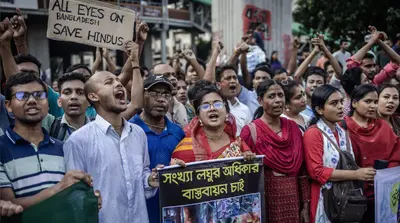
The report documented at least 28 attacks on religious minorities, resulting in one death, 16 injuries, damage to six temples, 37 idols, destruction of 38 homes, and five incidents of land grabbing. More than 56 attacks on shrines across the country left over 50 people injured, including one death among shrine visitors and Baul followers.
HRSS also recorded 359 incidents of worker abuse, causing 96 deaths and 1,021 injuries due to labour unrest, clashes between workers and police, and assaults. Unsafe working conditions and lack of protective equipment led to at least 168 workplace deaths, while employers killed four domestic workers.
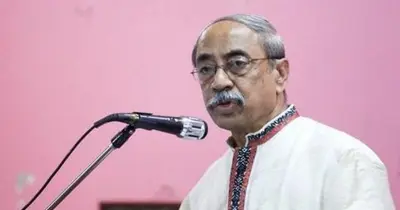
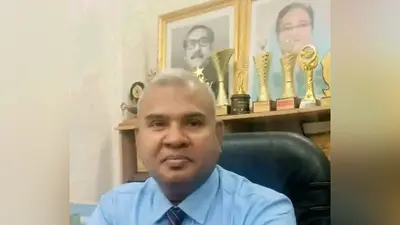
HRSS Executive Director Izazul Islam called for coordinated efforts to strengthen the rule of law, democratic practices, and human rights protections. He warned that failure to address mob violence, custodial deaths, election-related violence, and restrictions on freedom of expression could further deteriorate the human rights situation.