Violence Erupts in Chittagong Hill Tracts: Indigenous Communities Demand Justice
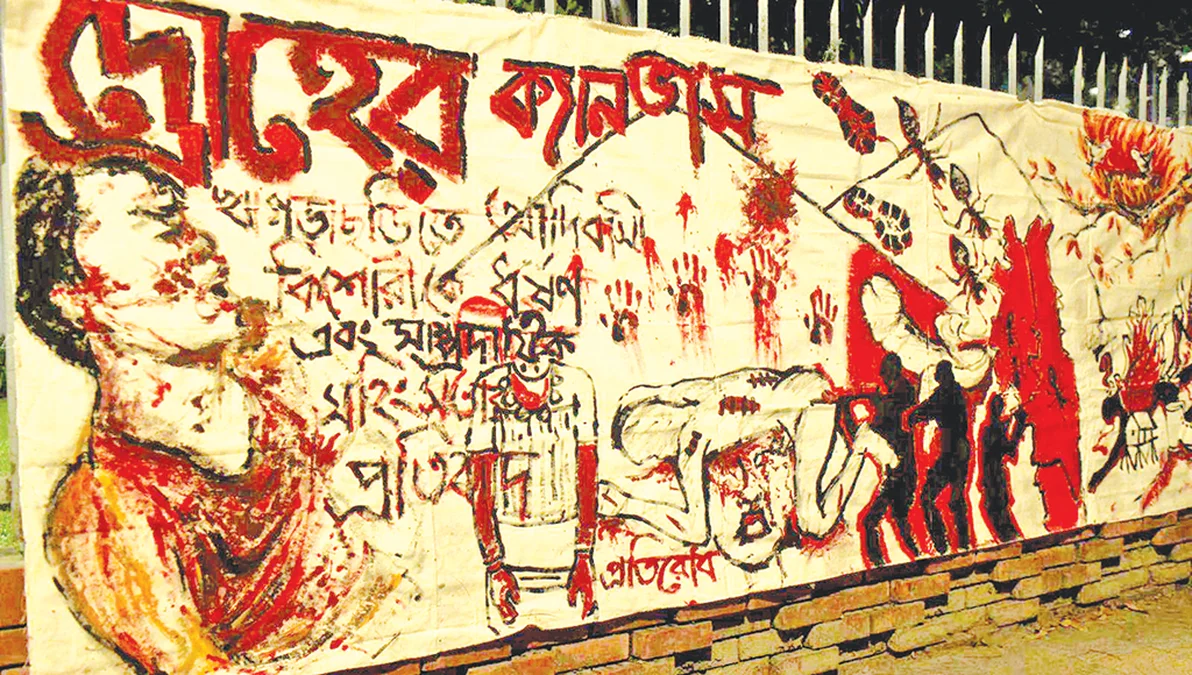
The picturesque hills of south-eastern Bangladesh, known for their lush greenery and terraced slopes, have once again become the epicenter of unrest. In late September 2025, the Chittagong Hill Tracts (CHT) witnessed violent clashes that exposed the deep-rooted challenges faced by Indigenous communities, including marginalisation, militarisation, and systemic impunity.
The immediate trigger was the alleged assault of a 12-year-old Marma schoolgirl in Khagrachari on the night of September 23. Her father filed a complaint naming three unidentified assailants, and although one suspect was arrested, Indigenous communities demanded swift action against all perpetrators. The next day, protests organized by the Jumma Chhatra Janata, a coalition of Indigenous student and youth groups, escalated, warning of district-wide blockades if justice was not served. Security forces briefly detained Ukyanu Marma, general secretary of the Bangladesh Marma Student Council, before releasing him amid public outrage.
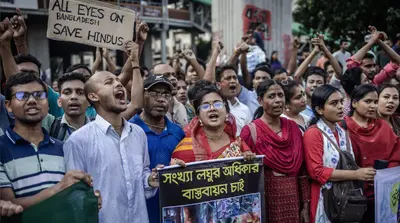
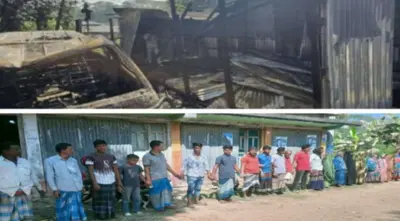
By September 26, thousands joined rallies across Khagrachari, demanding justice not only for the girl but for countless Indigenous women whose cases had been dismissed or distorted over the years. Blockades were imposed on highways and feeder roads, prompting authorities to enforce Section 144, banning public gatherings. Despite restrictions, violence continued. Bengali settlers raided areas such as Mahajan Para, while assaults near a Buddhist monastery and in Ganjpara left several injured. Clashes in Guimara Upazila on September 28 turned deadly, killing three young Indigenous men: Akhrau, Teiching, and Athuiprue Marma. Reports indicate around 100 homes, shops, and vehicles owned by Indigenous people were looted or burned.
As the unrest unfolded, social media became a battleground of misinformation. Settler-aligned groups claimed the assault never occurred, and a government medical board later reported “no evidence of rape.” Indigenous activists rejected the findings, calling for an independent investigation, citing a history of manipulated medical and legal reports that shield perpetrators, particularly when security personnel are involved.
The pattern of systemic oppression is evident. Rumors and narratives circulated that sought to divide communities and deflect blame from Muslim settlers while targeting Indigenous or minority groups. Rights activists warn that such tactics undermine justice, silence victims, and perpetuate cycles of violence and mistrust.
International human rights organisations, including FIAN International, the International Chittagong Hill Tracts Commission, and Minority Rights Group International, condemned the violence. They urged the Bangladeshi government to arrest and prosecute all perpetrators, provide protection and support for victims, and ensure transparent investigations. They also called for the dismantling of militarised operations like Operation Uttoron, restoration of civilian administration under the 1997 CHT Accord, and the establishment of an ethnically representative police force.
The crisis in the CHT is not just a local dispute but a test of Bangladesh’s commitment to justice, human rights, and the protection of its Indigenous peoples. As poet Kabita Chakma once wrote, “Why shall I not resist?” For Indigenous communities in the hills, resistance is survival, dignity, and the fight for recognition. Without meaningful action, the cycle of violence and impunity will continue, leaving the scenic hills of Bangladesh a battleground between beauty and betrayal.
Source: New Age