

UNHRC Seminar Highlights Alarming Human Rights Decline in Pakistan and Bangladesh
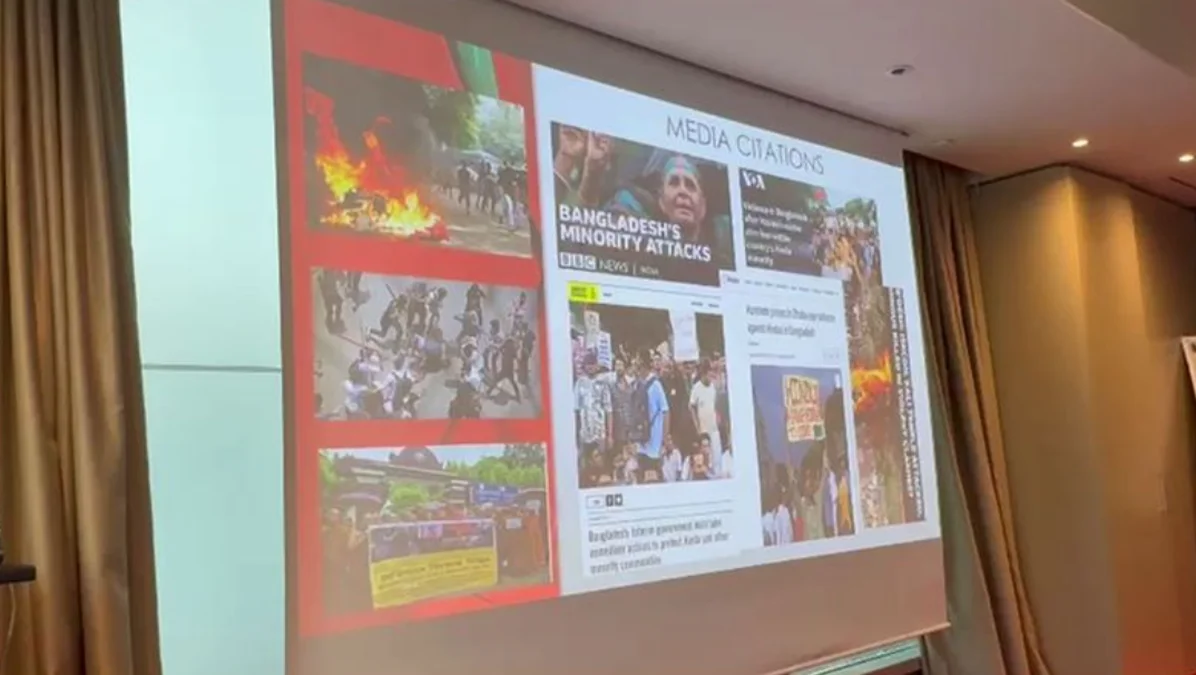
A recent seminar held during the 60th session of the United Nations Human Rights Council (UNHRC) in Geneva has brought renewed attention to the worsening human rights conditions in Pakistan and Bangladesh. Organised by the Forum on Inter-Cultural & Inter-Religious Dialogue (FICIR) in partnership with the Asian-Eurasian Human Rights Forum (AEHRF), the event featured prominent activists, journalists, and political commentators who warned of shrinking civil liberties and the dangerous rise of religious extremism in both countries.
Speakers at the seminar described how terror networks operating from Pakistani soil continue to threaten civilian lives in India, seeking to sow religious discord and undermine communal harmony. The need for increased global awareness and strategic action to counteract these cross-border threats was strongly emphasised.
Sultan Shahin, founder of the progressive Islamic platform New Age Islam, stated:
“It is important to sensitise people to the fact that we Indians have been facing terrorism and proxy violence from across the border for 45 years. The recent attack in Pahalgam was the worst of its kind because the perpetrators deliberately communalised the issue by identifying the victims by their religion first, which was utterly atrocious. We must point this out. However, the positive outcome was that what the planners of that conference in Islamabad intended to incite riots between Muslims and Hindus actually backfired. Instead, it brought us closer together. There was even greater communal unity across India, particularly in Kashmir, where people spontaneously came out to chant slogans against terrorism and Pakistan.”
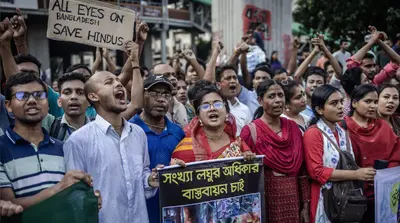
In addition to Pakistan, grave concern was raised regarding the political and social climate in Bangladesh. Observers described a deepening crisis marked by economic hardship, mob violence, and the growing influence of religious fundamentalism.
Dr Nuran Nabi, a noted Bangladeshi scientist, remarked:
“There are widespread human rights violations, with many people being killed by mob violence. The economic condition is dire, and people are going hungry. Many say they were better off before this government took power. The current administration, headed by Professor Yunus, was installed with the support of Western countries who believed that, as a Nobel laureate, he would improve the country. Instead, he has been accused of promoting violence rather than peace. Most alarmingly, he has facilitated the rise of religious fundamentalists who are trying to establish a government or society similar to Afghanistan’s.”
The seminar concluded with a strong and unified appeal to the international community for urgent intervention. Participants called for greater protection of human rights defenders, religious minorities, and other at-risk groups across both Pakistan and Bangladesh.
Source: ANI