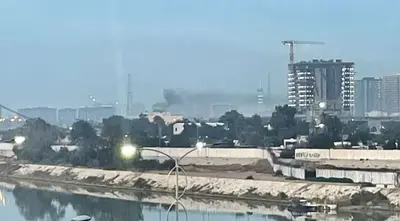



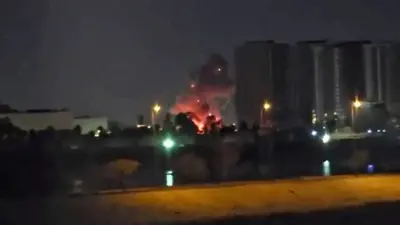
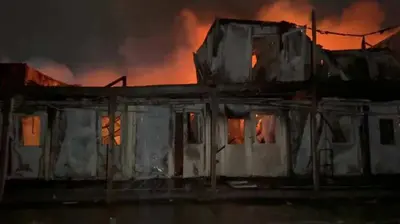
Mass Protests in Iran: Death Toll Nears 2,500
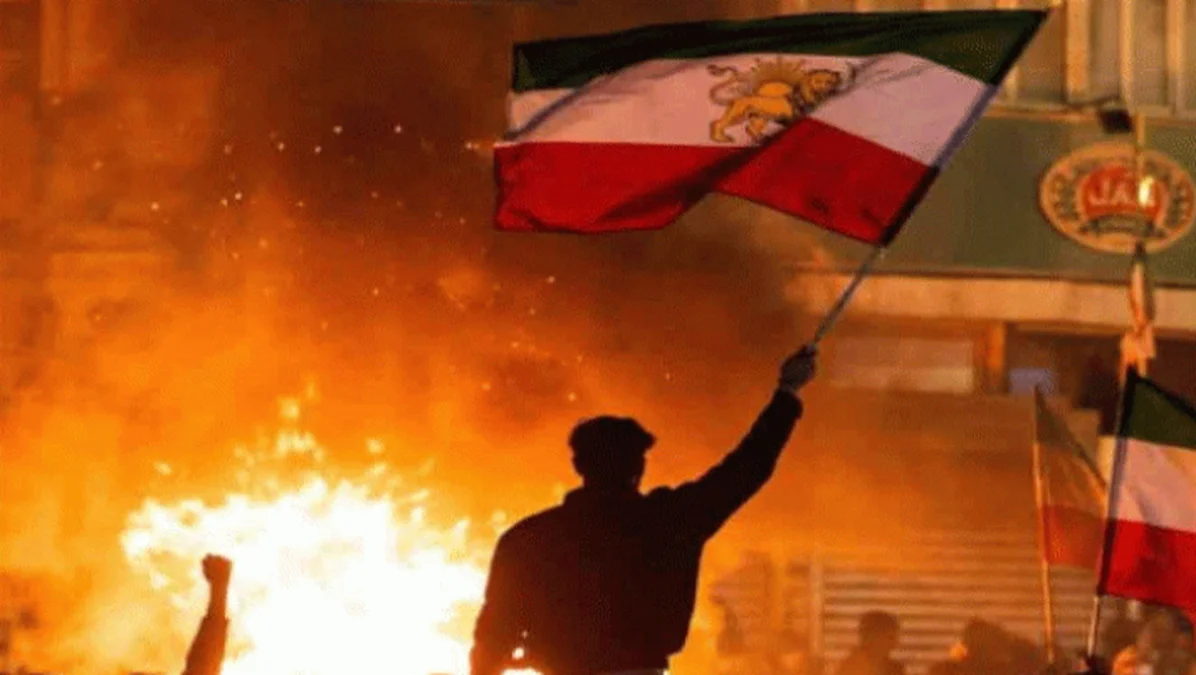
Mass protests have been continuing in Iran for nearly the past two weeks. What initially began as protests against price hikes has now turned into demonstrations against the country’s supreme religious leader, Ayatollah Ali Khamenei. The protests are steadily intensifying. Crackdowns are increasing, and the death toll is rising sharply. Amid the evolving situation, reports have emerged of more than 2,000 deaths. Protesters claim that at least 2,403 people have been killed in the country.
US President Donald Trump has been openly expressing support for the protesters. He has also sent messages about providing assistance to anti-Khamenei demonstrators. At such a time, Tehran has released a series of so-called confession videos of detained protesters. These videos have been broadcast on state-controlled media accompanied by dramatic background music. In the confession videos, clips have occasionally been added showing protesters attacking Iran’s security forces.
Some of the videos display lethal weapons. Iranian authorities claim these weapons were used during the attacks. In addition, some unclear footage shows vandalism of government property and incidents of arson. In many of the confessions, references are made to the United States or Israel. Tehran says this proves that foreign conspiracies are behind the protests—a claim it has been making from the beginning. Authorities allege that protesters are receiving backing from the US and Israel. Trump’s repeated public support for the protests has further strengthened Tehran’s claims.
However, human rights activists and social workers argue that the Iranian authorities extracted these confessions through torture and abuse of detainees. There are reasons for such concerns. In the past, Tehran has frequently been seen taking harsh measures to suppress protests. There have been repeated allegations of forced abductions, detention, and torture. Human rights organizations claim that forced confessions have previously been broadcast by state-controlled media. They believe this is an old tactic of Iran’s hardline administration. When news agency AP sought comments from Iranian diplomats at the United Nations regarding the issue, they declined to respond.
According to statistics from Justice for Iran and the International Federation for Human Rights, 350 such “forced confessions” were broadcast on Iranian state media between 2010 and 2020. Another human rights organization, Together Against the Death Penalty, claims that 40 to 60 such confessions have been published in 2025. However, many observers believe that the release of nearly 100 confession videos within just two weeks is unprecedented.