

Trump Hasn’t Transformed America, He’s Unmasked It
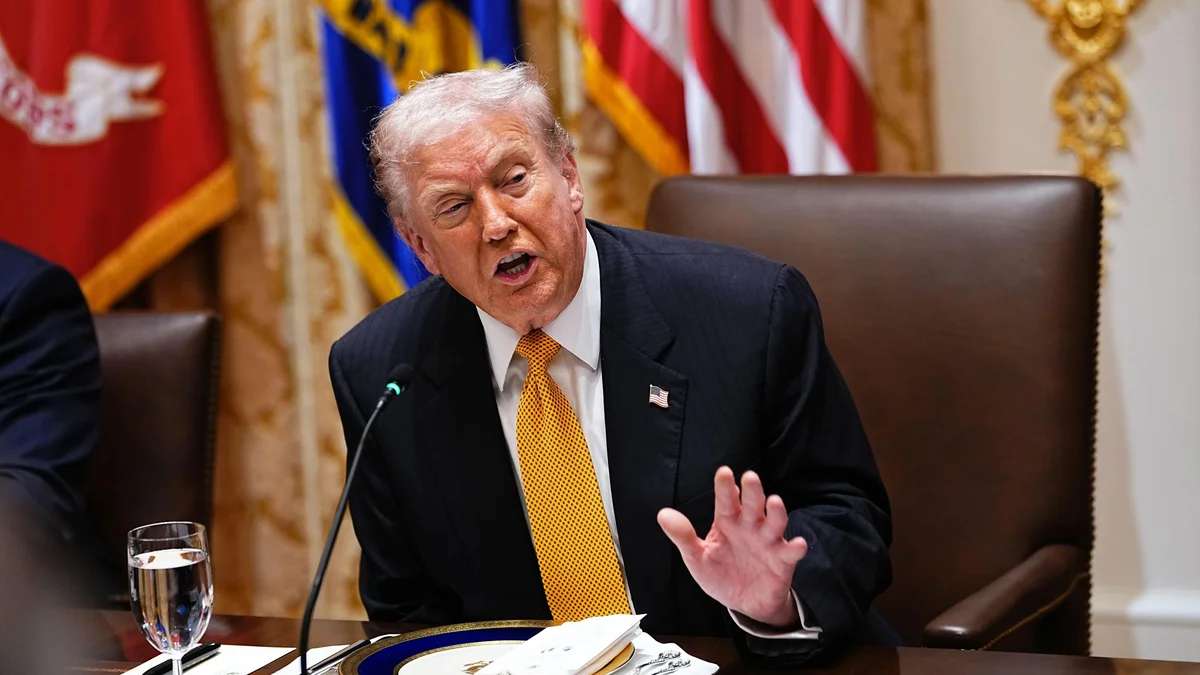
A year has passed since Donald Trump secured a second term as President of the United States in November 2024, and the transformation of America’s political and foreign policy landscape is now unmistakable. The shift, analysts argue, began the moment he won — not on Inauguration Day. From that point onward, both the tone and substance of U.S. behavior changed, revealing which aspects of American power are institutional and which stem directly from Trump’s personality.
Trump’s persona dominates every arena he enters. His theatrical style often amplifies political turbulence, yet it also exposes underlying dynamics that might otherwise remain obscured. As one observer noted, Trump does not dismantle American conventions — he magnifies them, turning up the volume until their true logic becomes audible.
From Institutions to Transactions
Perhaps the most profound shift is external. Washington has largely abandoned the ideological frameworks that once shaped its global engagement. For decades, the notion of a “liberal world order” — later rebranded as a “rules-based order” — served as the language through which the U.S. pursued its interests. Those rules, written largely by and for the West, gave structure to international relations even when inconsistently applied.
In 2025, the United States behaves as though such structures no longer matter. Trump’s foreign policy is intensely personalized, bilateral, and transactional. He insists on dealing with countries one-on-one, convinced that America has the upper hand in every individual matchup. In his logic, multilateral institutions dilute U.S. advantage; bilateralism maximizes it.
The Decline of Institutions
This approach explains Washington’s growing irritation with the very institutions it once created and led. International organizations are now seen as obstacles — bureaucratic ballast rather than strategic assets. Groups where non-Western nations wield influence, such as BRICS, are treated with open hostility — not because of their actions, but because of what they symbolize: collective resistance to American primacy.
Ironically, this makes Trump unusually well-suited to the multipolar world he claims to oppose. His worldview assumes an arena of fragmented, uneven powers where the strongest player dominates. In such a landscape, multipolarity is tolerated — but only if it is chaotic, unstructured, and devoid of checks on imbalance.
Fragmentation as Strategy
Before Trump, U.S. foreign policy aimed to globalize markets and institutions, consolidating American leadership through integration. Under Trump, fragmentation itself becomes a tool of dominance. A divided world of disjointed states and alliances is easier for a heavyweight to control.
Beneath the changed rhetoric, however, the assumption of U.S. hegemony persists. The difference lies in tone: the moral narratives that once justified intervention — “defending democracy,” “spreading freedom” — have been replaced by blunt, interest-based rationales.
Recent examples illustrate the trend. Trump’s claim that Nigeria could face intervention for “mistreating Christians” echoes the old democracy-promotion logic in religious terms. Similarly, calls for regime change in Venezuela are framed around drug trafficking — a convenient new label for old geopolitical aims. Both nations, notably, are major oil producers at a time when Washington seeks to marginalize Russia and Iran in global energy markets.
Power Without Patience
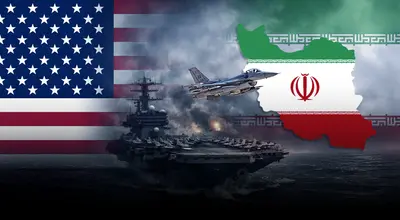
Trump’s mantra of “peace through strength” endures, but his interpretation is distinct. He favors short, high-impact military operations that maximize visibility and minimize commitment. Protracted wars are rejected; quick strikes and heavy symbolism are preferred, followed by coercive diplomacy and self-congratulation.
To his supporters, this directness is a welcome departure from establishment double-talk. Critics counter that Trump’s impulsiveness and abrupt shifts in tone make U.S. behavior unpredictable — a dangerous trait in a superpower whose every move reverberates globally.
Adapting to the New Order
For America’s counterparts, the implications are clear. If Washington insists on bilateral dealings, others may find advantage in doing the opposite — forming coalitions of coordination, even limited ones, to counter U.S. leverage. In an era of deliberate fragmentation, cooperation becomes quiet resistance.
The End of Pretenses
Trump has not reinvented America so much as stripped away its rhetoric. The veneer of universal liberalism is gone; the claim that the U.S. plays by its own rules has vanished. What remains is raw, unapologetic power, openly exercised and unburdened by moral pretense.
For some, this honesty is refreshing. For others, deeply unsettling. But it offers one undeniable benefit: clarity. The world now sees the true contours of American behavior — no longer disguised by lofty ideals, but revealed in sharp, unfiltered form. And for global actors preparing for the next phase of international politics, that clarity may be the most valuable change of all.
Source: RT