

Saudi Arabia, UAE edge closer to backing US-Israeli war on Iran

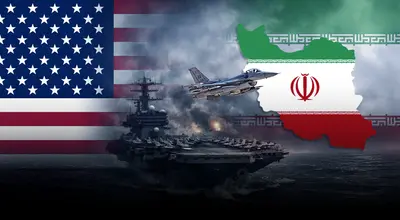
Saudi Arabia and the United Arab Emirates (UAE) are gradually shifting towards supporting the United States in its ongoing conflict with Iran, as regional tensions escalate and Gulf states face increasing security threats.
According to officials familiar with the matter, Saudi Arabia recently granted the US expanded access to military facilities, including the strategically গুরুত্বপূর্ণ King Fahd Air Base in Taif. The base is considered less vulnerable to Iranian drone attacks compared to other installations and is located near Jeddah, a key logistics hub for US operations in the region.
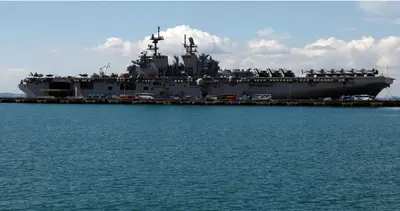
The move comes as Washington prepares for a potentially prolonged conflict with Iran. Reports indicate that thousands of US troops are being deployed from East Asia, with Gulf infrastructure expected to play a critical role in sustaining operations.
Analysts say Riyadh’s decision reflects a notable shift in its stance. While Saudi Arabia, the UAE and other Gulf states initially opposed direct military confrontation with Iran, recent Iranian strikes on US bases and Gulf energy infrastructure appear to have altered their calculations.
“The attitude in Riyadh has shifted towards supporting the US war as a way to punish Iran,” a Western official in the Gulf was quoted as saying.
The UAE has also signalled readiness for a prolonged conflict. In discussions with US Secretary of State Marco Rubio, UAE Foreign Minister Sheikh Abdullah bin Zayed reportedly indicated that Abu Dhabi is prepared for the war to last several months.
Despite this shift, divisions remain within the Gulf. Countries like Qatar and Oman continue to advocate for de-escalation. Oman has criticised the conflict, suggesting the US was drawn into it unnecessarily, while Qatar has suffered significant damage after Iranian missile strikes hit its Ras Laffan energy facilities.
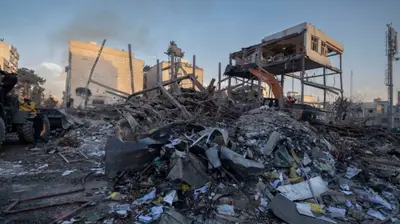
The war has already taken a heavy toll on the region. The UAE alone has intercepted hundreds of ballistic missiles and drones, while key energy routes and exports have been disrupted. Iran has also targeted infrastructure in Saudi Arabia, including Riyadh and the port city of Yanbu.
Experts warn that deeper Gulf involvement in offensive operations could escalate the conflict further. “Launching direct attacks on Iran could open a can of worms,” said one regional analyst, highlighting the risks of retaliation and wider instability.
While Saudi Arabia continues to signal deterrence, including warnings of potential military action, it is also maintaining backchannel communications with Tehran in an effort to avoid full-scale war.
Observers note that Gulf states are walking a delicate line—balancing pressure from Washington, threats from Iran, and domestic concerns about regional stability. For now, increased logistical support and defensive coordination appear more likely than direct military engagement.