





Japan on Brink of Historic Change as Takaichi Wins Ruling Party Leadership
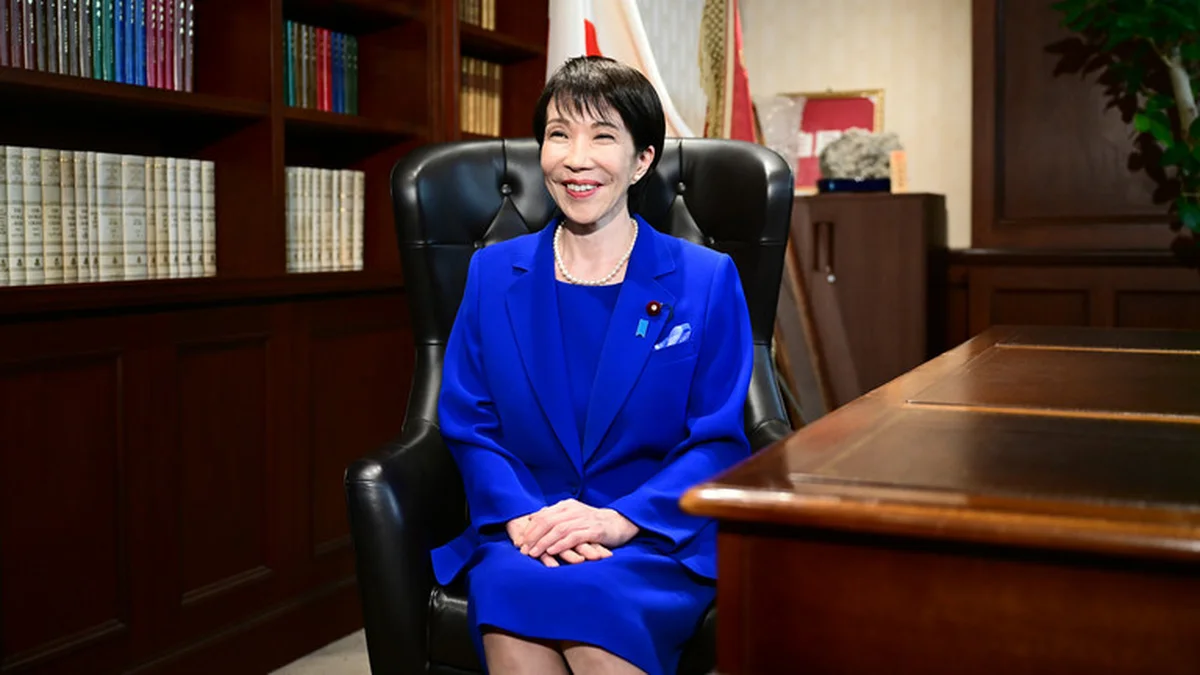
Japan is on the verge of appointing its first female prime minister after former Economic Security Minister Sanae Takaichi secured the leadership of the ruling Liberal Democratic Party (LDP). The leadership election took place on Saturday, following Prime Minister Shigeru Ishiba’s earlier resignation announcement aimed at preventing internal division within the party.
Ishiba, who led the country for just a year, stepped down amid growing dissatisfaction within the LDP after the party lost its majority in both houses of parliament.
Takaichi emerged victorious in a run-off vote against Farm Minister Shinjiro Koizumi, as none of the five candidates managed to clinch a majority in the first round. She received support from 159 party members — outpacing Koizumi by 29 votes.
Following her victory, the 64-year-old acknowledged the challenges ahead. “Rather than feeling joy, I’m beginning to feel the weight of the responsibility,” she said. “I will sacrifice my work-life balance and devote myself completely — work, work, and work.”
Takaichi emphasized the importance of party unity, stating, “We can’t rebuild the LDP without support from members across all generations.”
The Japanese parliament is expected to hold a special session in mid-October to officially elect the next prime minister. With the opposition parties failing to unite behind a single candidate, Takaichi is widely expected to secure the role.
A known admirer of former British Prime Minister Margaret Thatcher, Takaichi has often cited Thatcher’s blend of toughness and femininity as a source of inspiration.
Politically, she is aligned with the conservative wing of the LDP. She has previously advocated for increased defense spending and a more assertive approach toward China. She has also taken a hardline stance on Russia, particularly regarding the Ukraine war, arguing that Moscow’s current leadership should not be considered a partner in WWII peace treaty negotiations with Tokyo.
However, ahead of the LDP vote, Takaichi appeared to moderate her tone. She described herself as “more of a moderate conservative now” and referred to China as “an important neighbor,” underlining the need to strengthen bilateral relations.