


Cyberattack Targets FBI Chief
Israel Strikes Iranian Nuclear Sites as Tensions Escalate
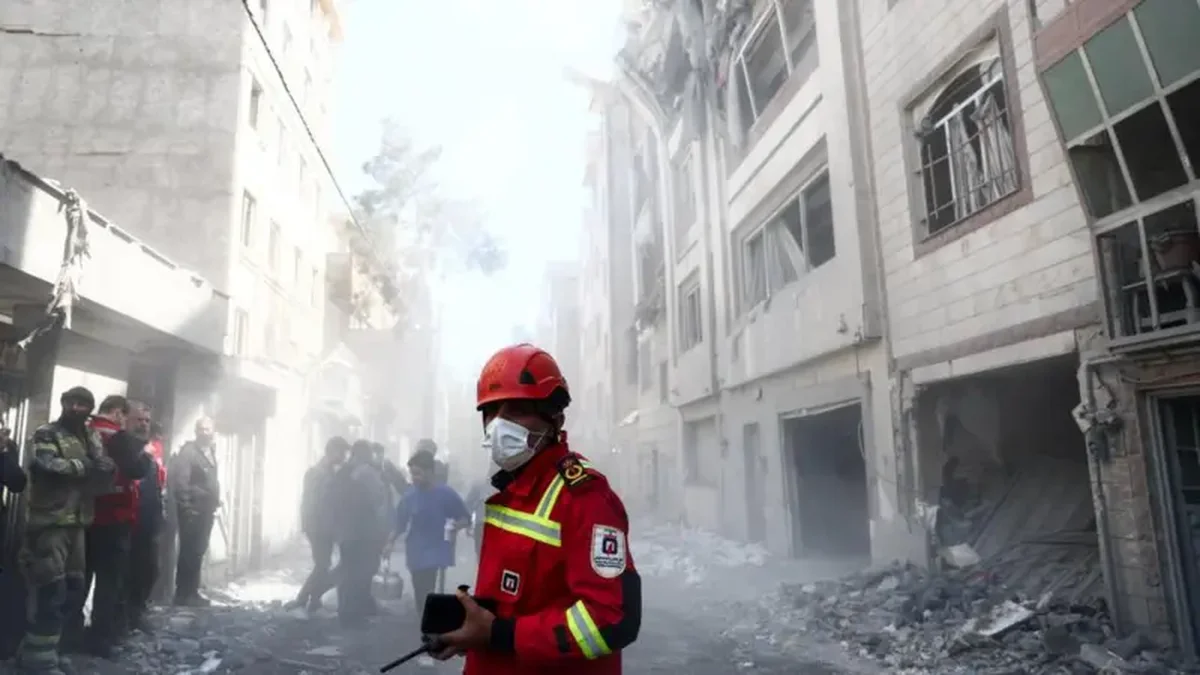
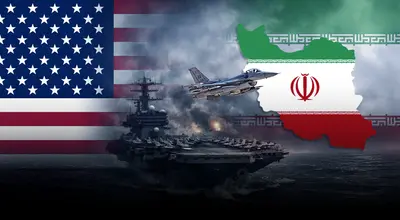
A sharp escalation in Middle East tensions unfolded as Israel launched a series of strikes on key Iranian nuclear and industrial facilities, prompting strong condemnation from Iran, which denounced the attacks as “illegal” and accused the United States of complicity.
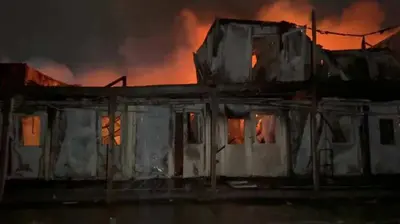
Iranian officials said the strikes hit civilian nuclear sites, a power plant, and major steel production facilities. The attacks are part of an intensifying conflict that has raised global concerns about regional stability and the risk of a broader war.
At an emergency session of the United Nations Human Rights Council, Iranian Foreign Minister Abbas Araghchi strongly criticized both Washington and Tel Aviv. He cited a reported US airstrike on a girls’ school in Minab that allegedly killed more than 170 children, describing it as “an atrocity crime” and accusing the US of targeting civilians and infrastructure “with no regard for the laws of war.”
Meanwhile, the cyber dimension of the conflict has also intensified. Reports indicate that Iran-linked hackers breached the personal email account of Kash Patel, director of the Federal Bureau of Investigation, and leaked photographs and sensitive documents online, underscoring the widening scope of hostilities beyond conventional warfare.
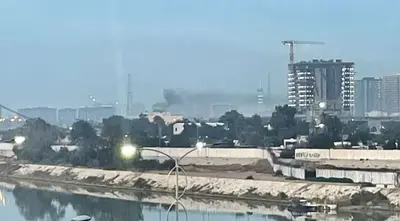
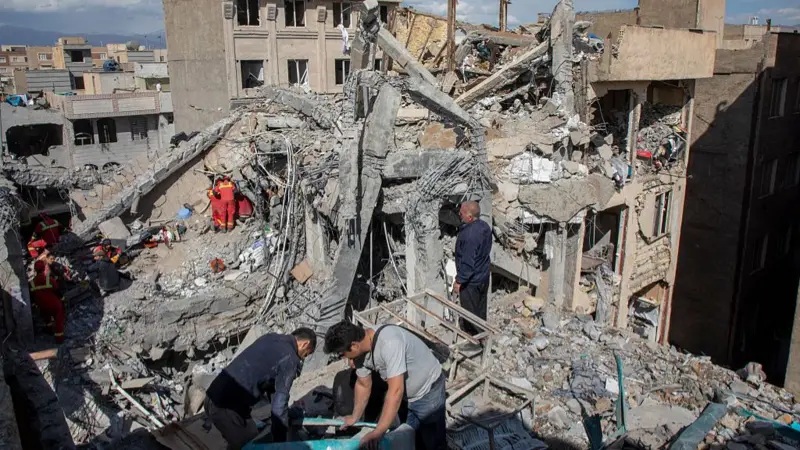
On the ground, the Israel Defense Forces carried out overnight strikes targeting ballistic missile production and air defense systems “in the heart of Tehran” and other locations. Among the targets was a major naval weapons production facility in Yazd, reportedly used to assemble missiles for maritime deployment.
Casualty figures continue to rise. Iranian authorities report that at least 1,937 people have been killed in Iran since late February, while more than 1,100 deaths have been recorded in Lebanon amid related strikes targeting Hezbollah-linked infrastructure.
Despite the escalation, the International Atomic Energy Agency confirmed that no increase in off-site radiation levels has been detected following attacks on nuclear-related facilities, including sites in Yazd and northwestern Iran. Director General Rafael Grossi urged “military restraint” to prevent any potential nuclear accident.

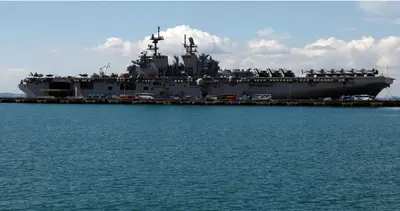
In Washington, officials are reportedly weighing further military options. According to media reports, plans under consideration include a large-scale bombing campaign and possible ground operations to secure nuclear materials. Donald Trump has been presented with multiple scenarios, including blockading Iranian islands near the strategic Strait of Hormuz.
At the same time, diplomatic efforts appear to be ongoing. US envoy Steve Witkoff expressed hope that direct talks with Iran could take place “this week,” noting that a 15-point peace proposal has already been presented to Tehran. However, Iranian officials deny any active negotiations, insisting that previous US actions have undermined trust.
International reactions remain mixed. Russian Foreign Minister Sergey Lavrov denied claims that Moscow is sharing intelligence with Iran, while Germany signaled that talks between Washington and Tehran could soon occur in a neutral location.
As both military and diplomatic tracks unfold simultaneously, the situation remains volatile. Analysts warn that without immediate de-escalation, the conflict could spiral into a wider regional crisis involving multiple actors across the Middle East.