

Iran War Escalates into Regional Conflict
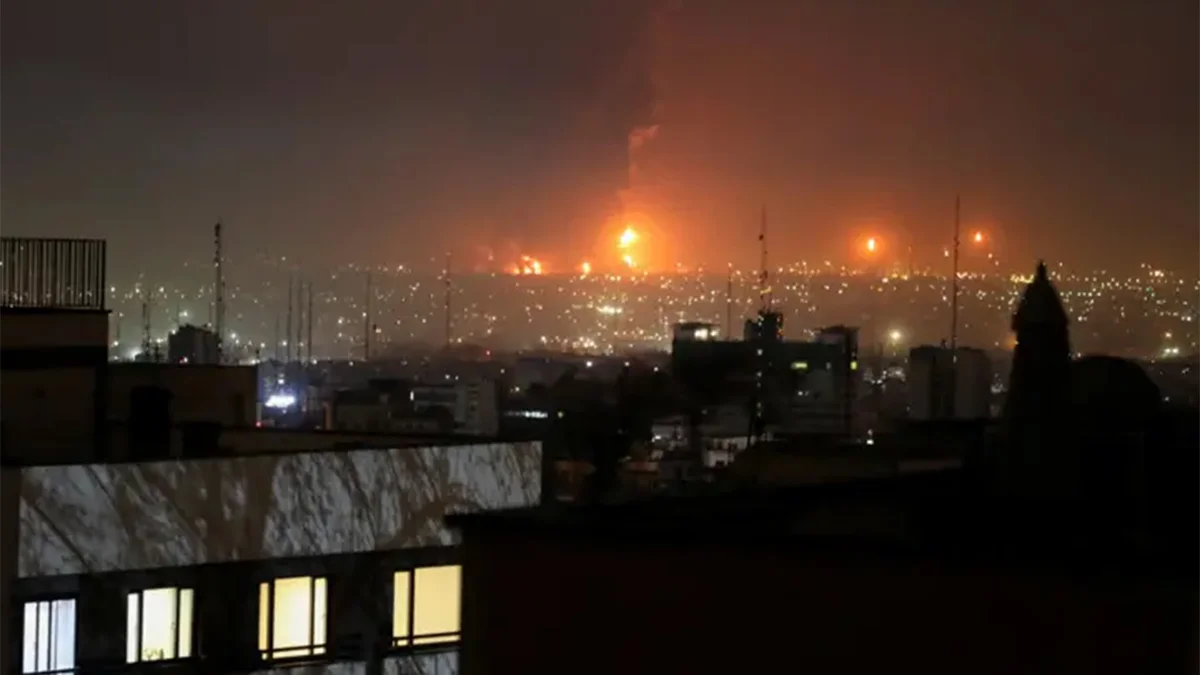
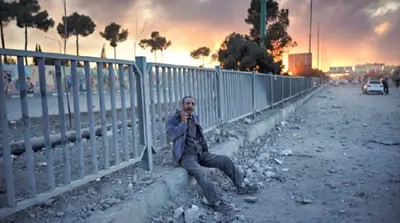
Tensions across the Middle East have intensified within a week of the start of the U.S. and Israeli military operations against Iran. Despite extensive military attacks by land, sea, and air, the situation is rapidly escalating into a larger regional conflict. Analysts say that while the war may bring some military successes for the United States, it poses new political and strategic risks for U.S. President Donald Trump.
Expansion and Uncertainty of the War
The U.S.–Israel joint attack, which began on February 28, intensified after Iran’s Supreme Leader Ali Khamenei was killed. Since then, Iran has been launching retaliatory attacks, increasing tensions in the Gulf region.
Laura Blumenfeld, an analyst at the Johns Hopkins School of Advanced International Studies in Washington, said the war could turn into a prolonged and complex military campaign. She noted that it could have significant effects on the global economy, regional stability, and domestic politics in the United States.
According to analysts, this is considered the largest U.S. military operation since the 2003 Iraq War. However, there is still no clarity about the ultimate goal of the war or where it will end.
What Is the U.S. Objective?
The White House has stated that the main goals of the operation are to destroy Iran’s ballistic missile program, reduce its naval capabilities, and prevent the country from acquiring nuclear weapons.
However, political observers note that although President Trump hinted at regime change in Iran at the start of the war, he has not taken a clear position on this issue. In a recent interview, he stated that future Iranian leadership would need U.S. approval to survive.
In an interview with ABC News, Trump said, “Iran’s new leader will have to get our approval. Without approval, they will not stay in power for long.” He also said the U.S. wants to prevent similar crises from arising in the future.
Concerns in the Oil Market
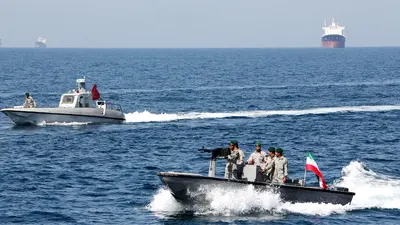
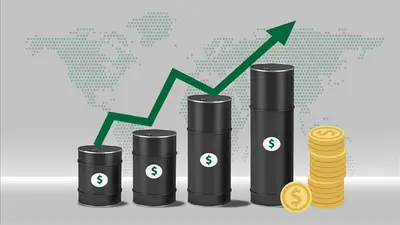
One of the most important aspects of this war is the Strait of Hormuz. About one-fifth of the world’s oil supply passes through this strait. Due to threats from Iran disrupting the passage of oil tankers, concerns have arisen about rising international oil prices.
Josh Lipsky, a researcher at the Washington-based Atlantic Council, said that the economic impact of this conflict may not have been fully anticipated. Rising fuel prices in the U.S. could directly affect voters.
Worries Among Allies
Some Middle Eastern allies have also expressed unease about this war. UAE businessman Khalaf Al Habtour, in an open letter, asked, “Who gave the right to turn our region into a battlefield?”
Retired U.S. Lieutenant General Ben Hodges said that while the operation may succeed as a military strategy, the political and diplomatic consequences do not appear to have been fully considered.
Diplomatic Challenges for Pakistan
The conflict has also affected South Asia. Longtime U.S. ally Pakistan faces a difficult diplomatic situation. The country shares a nearly 900-kilometer border with Iran, and a large number of Pakistani workers are employed in Gulf countries.
According to Qatar-based Al Jazeera, since the start of the war, Pakistan has primarily tried to manage the situation through diplomatic efforts.
Pakistan’s Deputy Prime Minister and Foreign Minister Ishaq Dar said he has increased communication with regional leaders, including Iran and Saudi Arabia. He also mentioned that Pakistan reminded Iranian leaders of its defense agreements with Riyadh.
Uncertain Future
Analysts say it is still unclear how long this war will last. President Trump previously suggested that the conflict could last four to five weeks, but in recent statements, he did not specify a timeframe.
Meanwhile, the war’s impact is creating new uncertainties for the global economy, energy markets, and international diplomacy beyond the Middle East. Experts warn that if a diplomatic solution is not reached quickly, the conflict could turn into a prolonged regional war.