
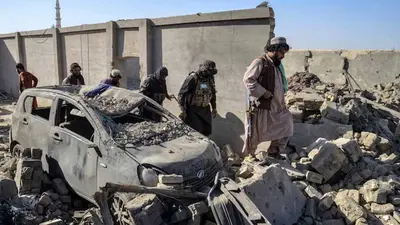

Taliban’s Top Leadership Power Struggle Comes into the Open
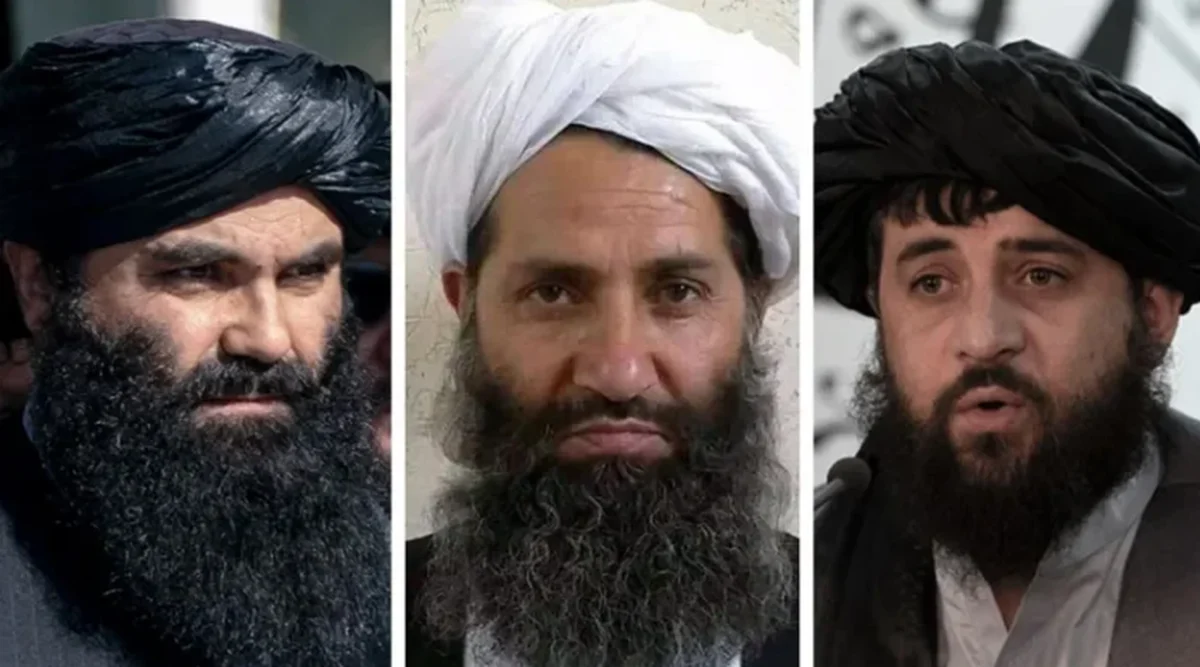
The Taliban seized power in Afghanistan in 2021 by ousting the US-backed government. Since then, the Taliban have been running the country amid various ups and downs, including international sanctions. However, divisions among the top leadership of the Taliban over governing authority and dominance have begun to surface publicly.
The situation has now reached a stage where internal divisions have become a greater concern for the group’s supreme leader, Hibatullah Akhundzada, than any external threat. Recently, the BBC obtained a leaked audio clip of a speech by Akhundzada, in which the issue of internal conflict becomes clear.
In the speech, Akhundzada is heard saying that internal infighting could ultimately lead to the downfall of all of them. As a result of this division, the Islamic Emirate established by the Taliban in Afghanistan would collapse and cease to exist. Akhundzada made this speech in January 2025 in front of Taliban members at a madrasa in the southern city of Kandahar. However, the Taliban leadership has always denied the existence of such divisions. They have even rejected it in direct responses to questions from the BBC.
Nevertheless, following rumors of this internal conflict, the BBC Afghan Service began an investigation over the past year. They conducted more than 100 interviews with current and former Taliban members, local sources, experts, and former diplomats. Due to the sensitivity of the issue and for security reasons, the news organization decided not to disclose their identities. For the first time, the investigation identified two rival factions within the Taliban over leadership, holding completely opposing visions for Afghanistan’s future.
The first faction consists of Akhundzada’s loyalists. This wing of the Taliban, operated from Kandahar, wants to steer the country toward a rigid Islamic Emirate. They seek to isolate Afghanistan from the modern world and control every sphere of society through religious leaders loyal to Akhundzada.
On the other hand, the second faction is a Kabul-based group. This group includes influential Taliban members who are based in the capital. They envision an Afghanistan that, while following a strict interpretation of Islam, would maintain engagement with the outside world, rebuild the country’s economy, and even allow education for girls.
A Taliban-affiliated individual who spoke to the BBC described this divide as “Kandahar versus Kabul.” Toward the end of last September, Akhundzada ordered Afghanistan’s internet and phone services to be shut down, cutting the country off from the world. However, three days later, the internet was restored without any explanation. According to the BBC, internal sources say that what happened behind the internet shutdown was a major incident. The Kabul faction of the Taliban had defied Akhundzada’s order and restored internet services.