
Controversial Peace Prize: Assange Accuses Nobel Committee of Breaking the Law
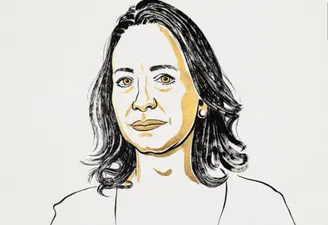
WikiLeaks founder Julian Assange has sharply criticized the Nobel Foundation, accusing it of violating Swedish law by awarding the Nobel Peace Prize to Venezuelan opposition figure Maria Corina Machado, a leader he describes as openly supportive of foreign military aggression against her own country.
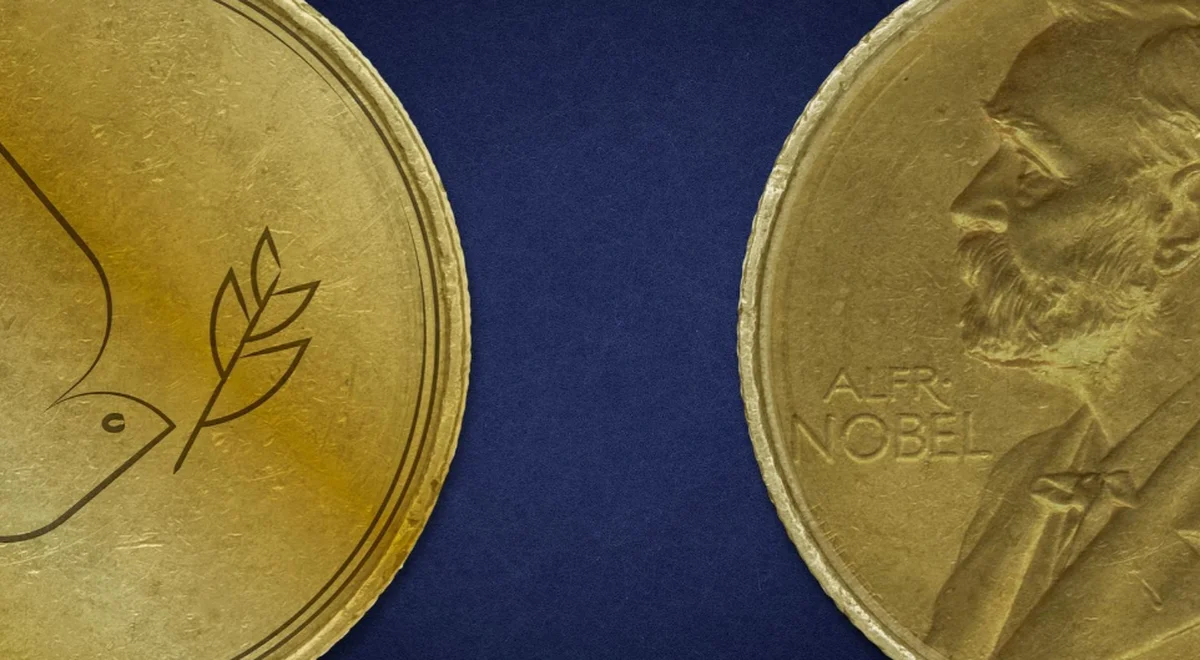
Alfred Nobel’s final will, written before his death in 1896, clearly outlined the purpose of the Peace Prize. It was to honor those who worked to promote fraternity among nations, reduce or abolish standing armies, and advance peace initiatives. According to Assange, Machado’s political record stands in direct contradiction to these principles.
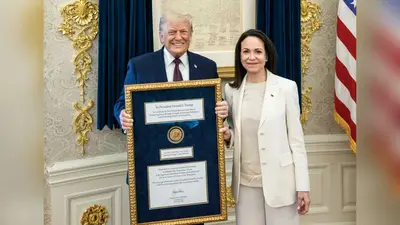
Machado, the latest recipient of the Peace Prize, has repeatedly praised US military pressure and economic aggression against Venezuela. Her public statements and political activities, Assange argues, demonstrate support for policies that escalate conflict rather than promote peace. For this reason, he believes she falls far short of Nobel’s stated criteria.
This week, Assange filed a criminal complaint in Sweden against 30 individuals linked to the Nobel Foundation. In the filing, he accused them of serious offenses, including gross misappropriation of funds, facilitating war crimes and crimes against humanity, and financing acts of aggression. According to the complaint, the accused transformed “an instrument of peace into an instrument of war” through what Assange called serious criminal conduct. As a result, he argues Machado should be deemed ineligible to receive the 11 million Swedish kronor ($1.18 million) Peace Prize award.
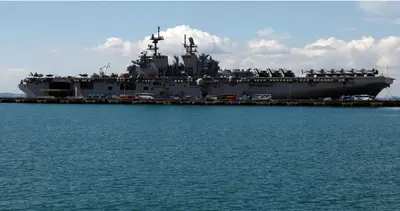
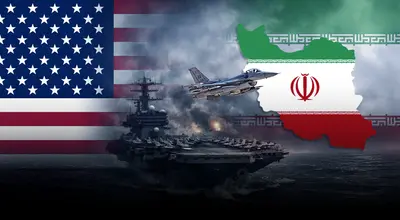
Assange’s allegations come amid an extensive buildup of US military forces near Venezuela’s coastline, which reportedly began in August and now involves approximately 15,000 personnel. This is described as the largest military presence in the Caribbean since the 1962 Cuban Missile Crisis. Machado, critics note, has expressed no opposition to this escalation.
According to Assange, US forces involved in these operations have already committed war crimes, including attacks on civilian boats and survivors at sea, leading to the deaths of at least 95 people. The Office of the United Nations High Commissioner for Human Rights has reportedly characterized these strikes as “extrajudicial executions.” Assange further claimed that US Secretary of State Marco Rubio, whom he described as a key architect of the aggression, was responsible for nominating Machado for the Peace Prize.
“Alfred Nobel’s endowment for peace cannot be used to promote war,” Assange stated, emphasizing that those entrusted with administering the prize have a legal obligation to uphold the purpose of Nobel’s will—to prevent wars and war crimes, not enable them.
He also argued that Machado and the US government have leveraged the prestige of the Nobel Peace Prize to construct a moral justification for regime change in Venezuela and the removal of President Nicolás Maduro. According to this view, installing Machado with foreign backing would grant the United States greater control over Venezuela’s vast natural resources, including the world’s largest proven oil reserves.
In a CBS News interview on Face the Nation, Machado openly praised former US President Donald Trump’s policies toward Venezuela, including economic sanctions and the seizure of Venezuelan oil tankers—actions critics describe as violations of international law. She credited Trump with prioritizing Venezuela as a US national security concern and dedicated her Peace Prize to him during remarks from Oslo.
Such statements, Assange warned, raise the risk that Nobel funds could be diverted from their intended charitable purpose to support aggression, war crimes, and crimes against humanity. If that were to occur, the complaint argues, it would violate Sweden’s obligations under the Rome Statute of the International Criminal Court, which criminalizes aiding or abetting war crimes.
The controversy has reignited broader questions about how the Nobel Committee selects its recipients and whether geopolitical considerations influence its decisions. Critics ask whether NATO member Norway has, in the past, favored candidates aligned with Western strategic interests.
Historical precedents are often cited. US President Theodore Roosevelt received the Peace Prize in 1906 despite his advocacy of military power. Barack Obama won the award in 2009 while the United States was actively engaged in multiple wars. In 2016 alone, the US dropped more than 26,000 bombs across seven countries. Similarly, Henry Kissinger’s 1973 Peace Prize—shared with North Vietnamese negotiator Le Duc Tho—sparked outrage due to his role in the bombing of Cambodia, prompting resignations from the Nobel Committee and leading critics to label it the “Nobel War Prize.”
Source: RT