
US Supreme Court Strikes Down Trump’s Global Tariff Policy
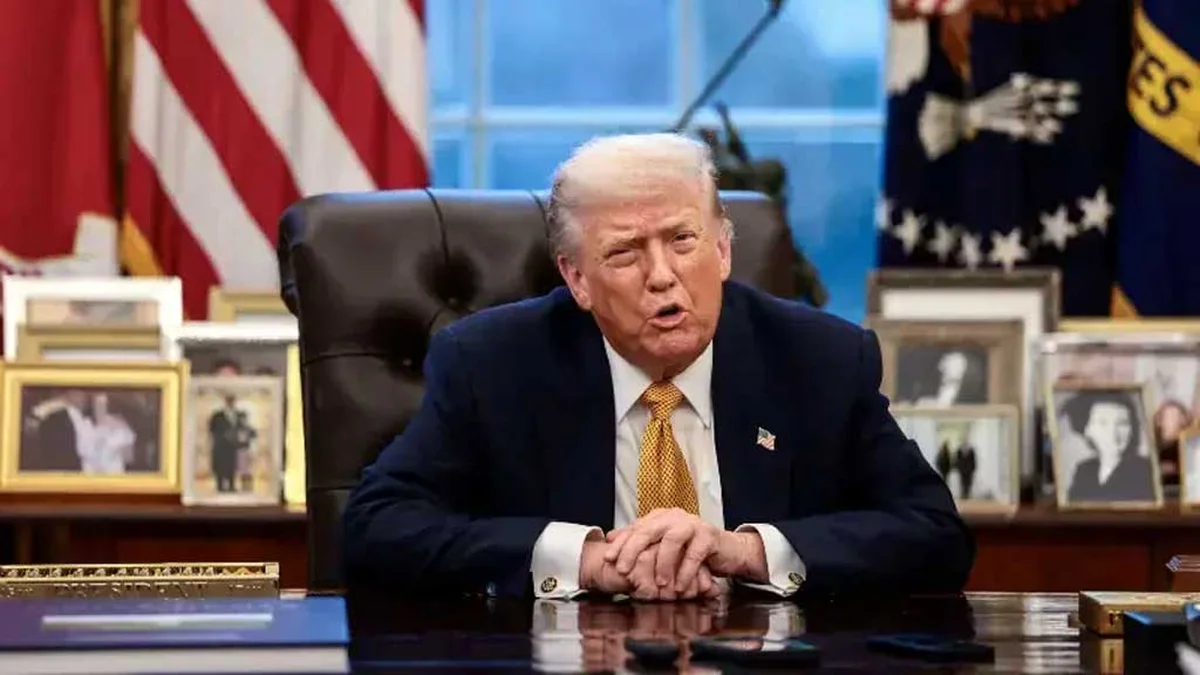
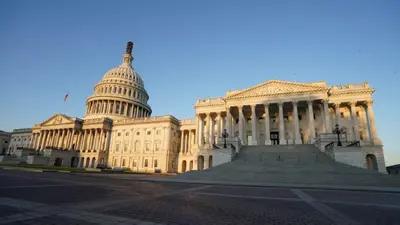
The US Supreme Court has declared President Donald Trump’s controversial universal or global tariff policy of his second term invalid.
In its ruling, the court stated that the president’s imposition of tariffs under the 1977 International Emergency Economic Powers Act (IEEPA) was beyond his authority.
The IEEPA does not grant the president unilateral power to impose tariffs. On Friday, a bench led by Chief Justice John Roberts delivered the verdict in a 6-3 decision.
The ruling is a setback for the president’s economic agenda. After taking office at the beginning of 2025, Trump imposed tariffs ranging from 10% to 50% on goods from nearly all countries, including China, Canada and Mexico.
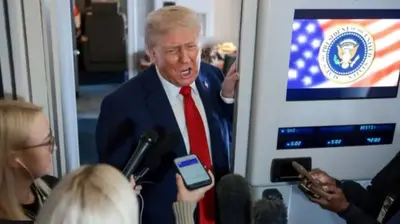
Trump had described the tariffs as essential for the economic security of the United States.
In his opinion, Chief Justice John Roberts stated that the US Constitution grants Congress—not the president—the authority to levy taxes and set tariffs.
The president does not have the authority to use an emergency law to impose tariffs. To do so, the president must demonstrate “clear authorization” from Congress, which he failed to provide.
As a result of the ruling, the hundreds of billions of dollars collected through the tariffs may now have to be refunded to affected companies.
At the outset of the tariff measures, 12 US states—most of them governed by Democrats—along with small businesses, had challenged the move in court.
An anti-tariff organization in the United States has already demanded the swift return of the full amount. The group’s director, Dan Anthony, described the Supreme Court’s ruling as a “huge victory for America’s small businesses,” which have borne the burden of the additional tariffs.
Although the Supreme Court struck down the president’s tariff measures under one specific law, it is believed that the Trump administration may attempt to impose new tariffs under a different statute.
Even before the ruling, discussions had been underway about alternative options if Trump were to lose at the Supreme Court. US Commerce Secretary Scott Bessent and other administration officials have indicated that they are now exploring alternative legal pathways.