
A New Iran–Israel War May Be Inevitable, Say Analysts
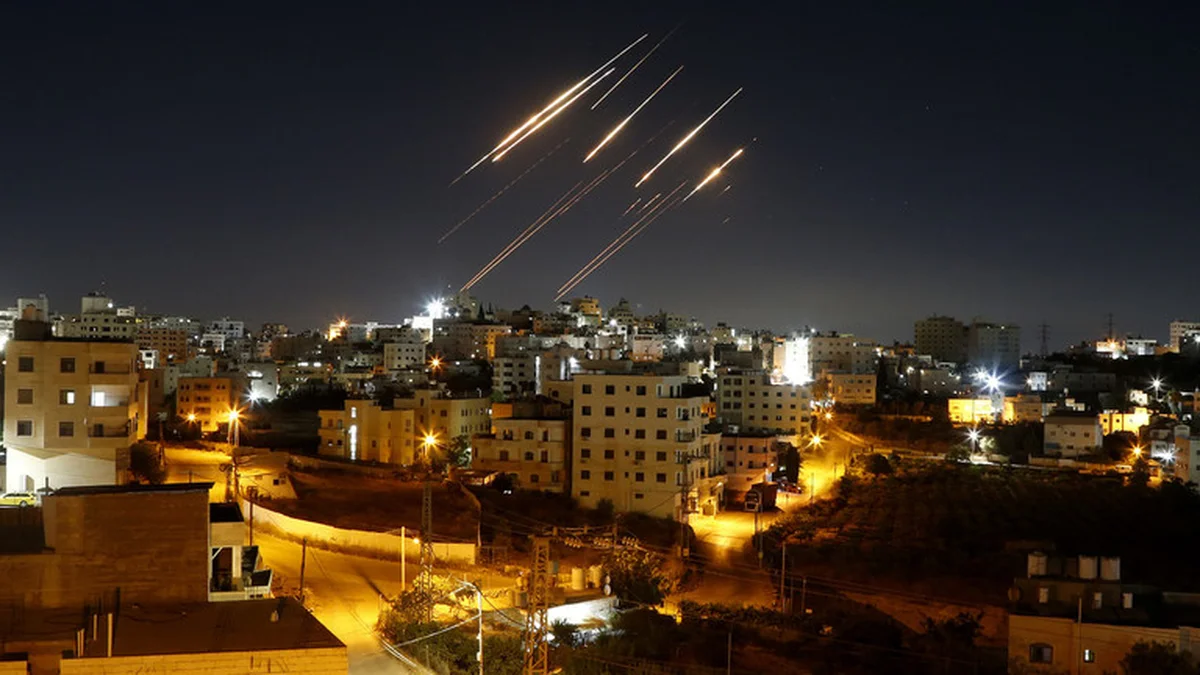
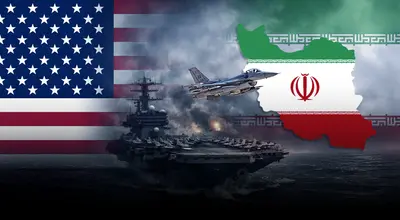
The stage for a new Israel–Iran war is increasingly visible. With Washington, Jerusalem and European capitals tightening sanctions and bolstering military deployments in the region, Iran finds itself under mounting pressure. Western officials accuse Tehran of sponsoring armed groups, destabilising neighbouring states and advancing its nuclear ambitions. Iran, in turn, has escalated its regional footprint via proxies in Syria, Lebanon, Iraq and Yemen — signalling that diplomacy alone may no longer suffice.
Domestically, Iran’s regime is under strain. Sanctions bite harder, inflation surges and unemployment spreads among young citizens and the urban middle class. In response, officials have sharpened foreign‑policy rhetoric and launched internal purges within state institutions, aiming to eliminate suspected foreign influence. For example, following a 12‑day conflict with Israel, Tehran publicly revealed the detention of over 120 individuals allegedly linked to exiled opposition figures and foreign intelligence services.
In early August the Iranian authorities established a new “Defence Council”, chaired by the President and composed of military, judiciary, parliamentary and ministerial figures. A few days later, they appointed Ali Larijani as the new Secretary of the Supreme National Security Council. A veteran of Iran’s elite faction known as the “Iraqi group”, Larijani’s appointment signals a shift toward longer‑term strategic planning amid escalating threats.
Iran’s military‑political elite no longer treat the ceasefire with Israel as definitive. Parliamentarians and senior commanders alike warn that the pause is tactical rather than permanent. The Country’s Defence Minister recently noted that Iran refrained from using advanced missile systems during the recent confrontation — quoting that production of such systems continues and that future retaliation would be “unexpected and forceful”.
On the diplomatic front, Iran has grown sceptical of engagement with the West. Draft legislation circulated in Tehran calls for withdrawal from the Treaty on the Non‑Proliferation of Nuclear Weapons (NPT) and the Additional Protocol empowering the International Atomic Energy Agency (IAEA) to inspect Iran’s facilities. One parliamentarian described this as a response to the looming “snap‑back” sanctions mechanism under the 2015 nuclear accord. If adopted, Iran would suspend cooperation with the IAEA while severing talks with the United States and European signatories.
The geopolitical stakes are stark. Israel is viewed as the primary guarantor of Western interests in the region and would likely receive consolidated support from Europe and the U.S. in any full‑scale confrontation with Iran. Analysts in Israel and Washington believe that deepening internal divisions in Iran — alongside its socioeconomic pressures — may reduce Tehran’s strategic margin and make its leadership more vulnerable to external shock.
As the internal and external pressures converge, the probability of a renewed war grows. Even a minor incident could catalyse escalation — the leadership in both Iran and Israel act under assumptions of pre‑emptive defence. In this volatile environment, a new war between Iran and Israel is not just possible — it may be a matter of timing.
Source: RT