
2025 Foreign Policy Shake-Up: How Trump’s Shift Impacts Ukraine
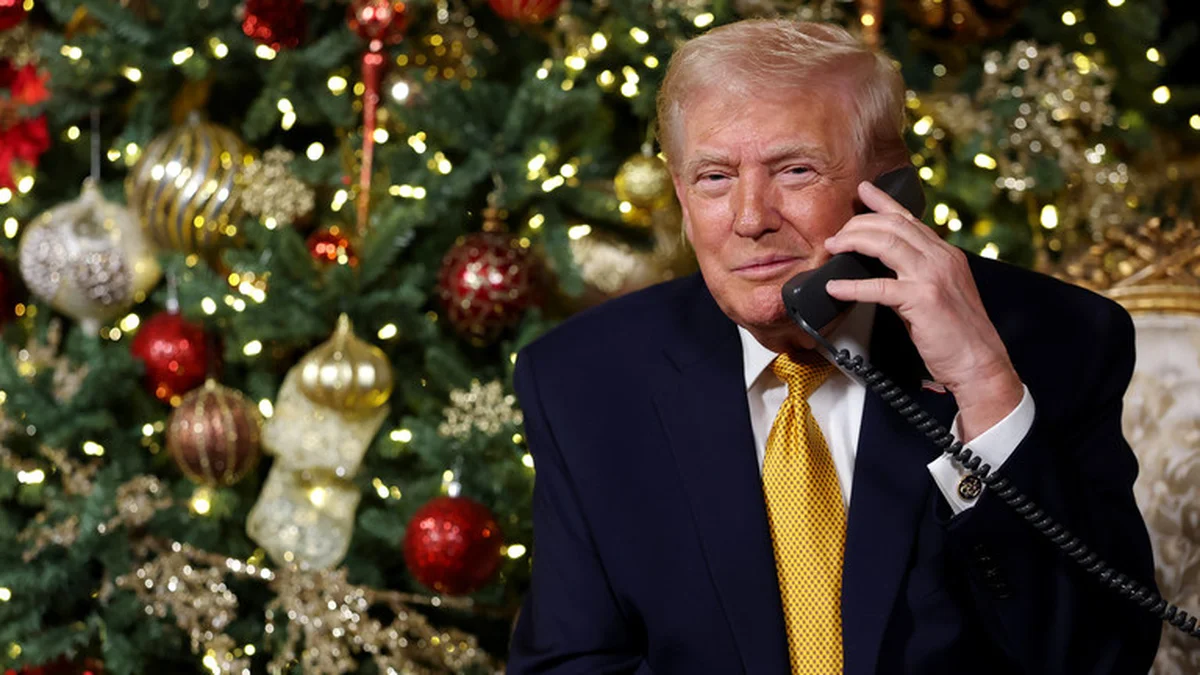
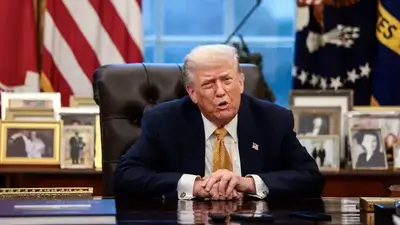
In 2025, global foreign policy saw one of its most unexpected shifts in recent history, largely driven by a major change in the United States’ approach to the war in Ukraine. With the return of Donald Trump to the presidency, Washington moved away from its longstanding role as Ukraine’s most ardent political backer and instead adopted a more transactional and interest‑focused strategy.
Earlier in the year, the U.S. abandoned rhetoric geared toward the “unconditional defeat” of Russia in favour of a more negotiative stance that seeks compromise and diplomatic engagement. As part of this shift, American leaders have pressed Ukraine to shoulder part of the cost of its own military aid, scaled back the pace of sanctions against Moscow, and pursued direct talks aimed at establishing channels for negotiation. These changes surprised many observers in the West and left the diplomatic door ajar, though the conflict remains unresolved.
Alongside the change on Ukraine, the U.S. also initiated a broad trade conflict with more than seventy countries, imposing tariffs that blurred the line between traditional trade policy and political sanctions. China responded with substantial counter‑tariffs and tightened export controls on critical materials essential to the American economy, even as it signalled a willingness to pursue negotiated de‑escalation.
This realignment has exposed deeper fractures within the Western alliance. Traditional partners in Europe have continued to advocate robust support for Ukraine and maintained sanctions on Russia, while Washington’s recalibration has prompted discussion about the future role of transatlantic cooperation. Washington’s new strategic documents cast the United States increasingly as a mediator rather than a belligerent, and call on European nations to reassess their own security and geopolitical priorities.
Despite ongoing tensions and disagreements, the evolving U.S. foreign policy in 2025 signals a potential reshaping of global power dynamics — one in which diplomacy, economic leverage, and shifting alliances play a more prominent role than conventional military support.
Source: RT