Trump gives Tehran one more day
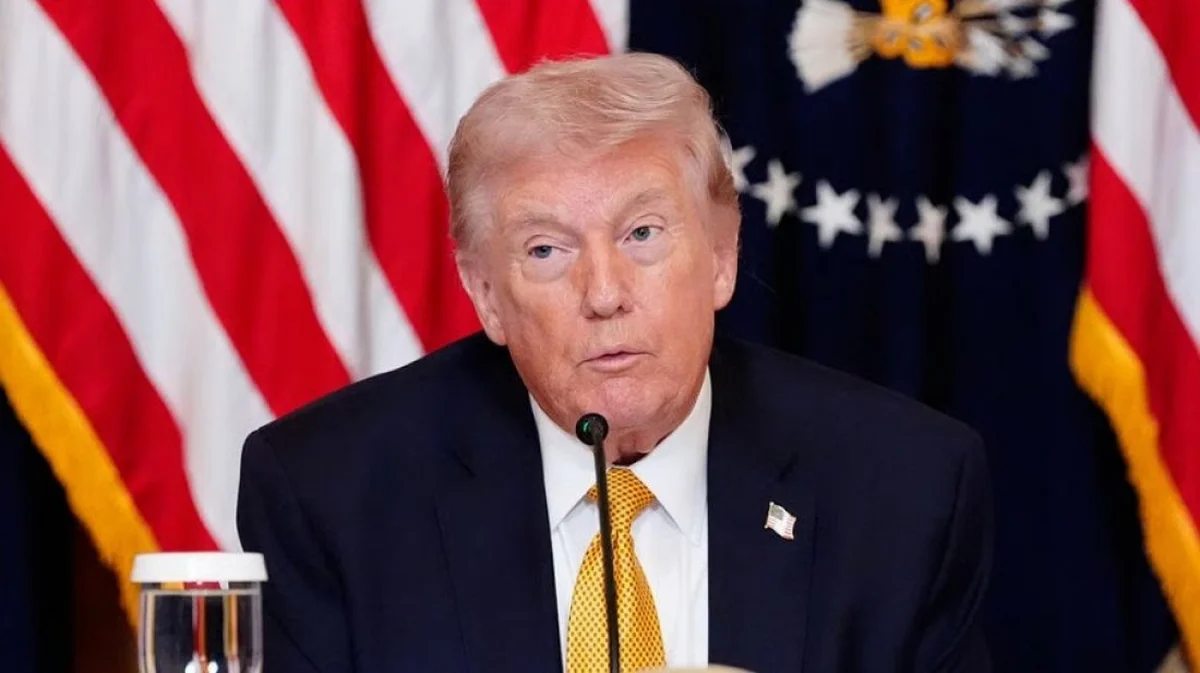
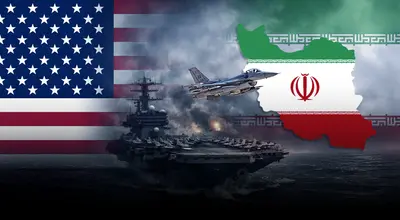
Donald Trump’s ultimatum to Iran to reopen the Strait of Hormuz is ending today, Monday (April 6). However, the United States President has extended the deadline by one more day.
On Sunday (April 5), he made a post about this on the social media platform Truth Social. There, he wrote that if Iran does not reopen the Strait of Hormuz by Tuesday (April 7), he is considering destroying Iran’s power plants and bridges.
Trump warned Iran that they must reopen the Strait of Hormuz within 48 hours. Otherwise, they will face severe consequences.
In his social media post, Trump mentioned that he had previously given Iran 10 days to either reach a ceasefire agreement or reopen the Strait of Hormuz. But now, as time is running out, he has issued another warning, saying only 48 hours remain.
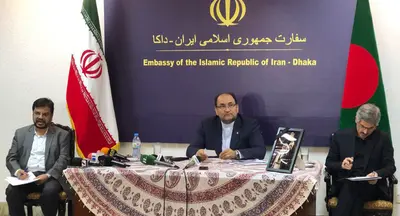
Iran considers this warning to be an unstable and emotional move. The country has stated that it is ready to respond to any attack.
A news outlet named Mizan News Agency, which is linked to Iran’s judiciary, reported that Trump’s offensive language reflects hatred toward Iranians and has pushed Iran’s stability and resistance “to the brink of madness.”
Senate Minority Leader Chuck Schumer also reacted quickly. He wrote on social media, “While you are going to church and celebrating with friends and family, the U.S. President is unleashing a storm of anger like a madman on social media. He is threatening potential war crimes and pushing allies away. This is not who we are. Our country deserves much better.”
On the other hand, Trump’s ally Senator Lindsey Graham supported the President’s threat. He wrote, “If Iran does not reopen the Strait of Hormuz or wants to avoid a massive military response against critical infrastructure, then Trump is extremely serious. Saying that diplomatic paths are closing would be an understatement.”
Meanwhile, Iran’s central military command later rejected Trump’s threat, according to Agence France-Presse. From the ‘Khatam al-Anbiya’ central headquarters, General Ali Abdollahi Aliabadi said in a statement that Trump’s threat was “a helpless, nervous, unstable, and foolish act.”
He further warned that “the simple meaning of this message is that ‘the gates of hell will be opened for you.’”
On Sunday, Trump also told journalist Trey Yingst over the phone that if Iran does not act quickly, he is considering “blowing everything up and taking their oil.” He expressed hope that a deal could be reached as early as Monday and said Iranian negotiators have been granted immunity or pardon to continue discussions.
Later, in an interview with The Wall Street Journal, Trump said, “If they do not comply, if they want to keep the Strait closed, they will lose every power plant and all industrial facilities across the country. If they do nothing by Tuesday evening, they will have no power plants left and no bridges standing.”
Trump also claimed that the United States has supplied weapons to Iranian protesters through Kurdish movements. He said, “We sent bullets to the protesters. I think the Kurds are holding those bullets.”
A day after Trump’s threat, a U.S. Navy warplane rescued an Air Force colonel who had been shot down deep inside Iran. Trump described the mission as “brave” and confirmed that the colonel was safely extracted.
Amid rising tensions, on Saturday (April 4), a projectile struck near Iran’s Bushehr Nuclear Power Plant. One security personnel was killed, and an auxiliary building was damaged.
The International Atomic Energy Agency stated that no increase in radiation levels had been detected. Russia evacuated around 200 of its personnel from the site.
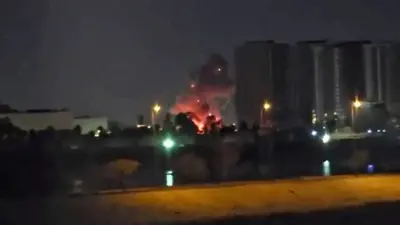
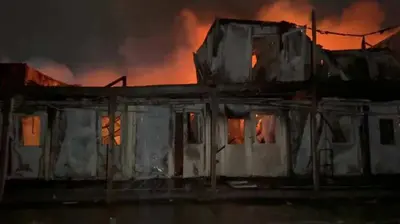
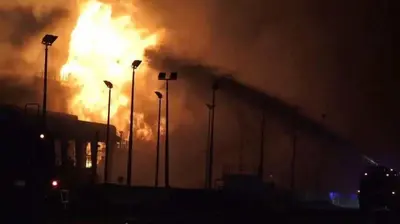
Overnight, Iranian drone attacks damaged two power and water desalination plants in Kuwait, forcing the shutdown of two power generation units. Another attack targeted an oil blending facility of the Kuwait Petroleum Corporation in Kuwait City, causing a fire. However, no casualties have been reported.
Experts have warned that attacks on civilian infrastructure could be considered war crimes under the Geneva Conventions and may escalate global tensions.
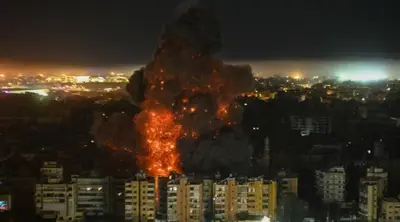
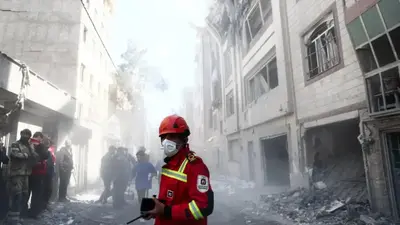
The war with Iran began on February 28 following joint strikes by the United States and Israel. Thousands have been killed. Global markets have been destabilized, key shipping routes have been disrupted, and oil prices have surged significantly.
According to new data from the Pentagon, a total of 365 American service members (from the Army, Navy, Air Force, and Marine Corps) have been injured as part of U.S. operations against Iran.
There is no indication that the war is slowing down, as Iran continues to carry out attacks across the region in response to airstrikes against it.