

Indian-American Paul Kapur Confirmed as U.S. Assistant Secretary of State for South Asian Affairs
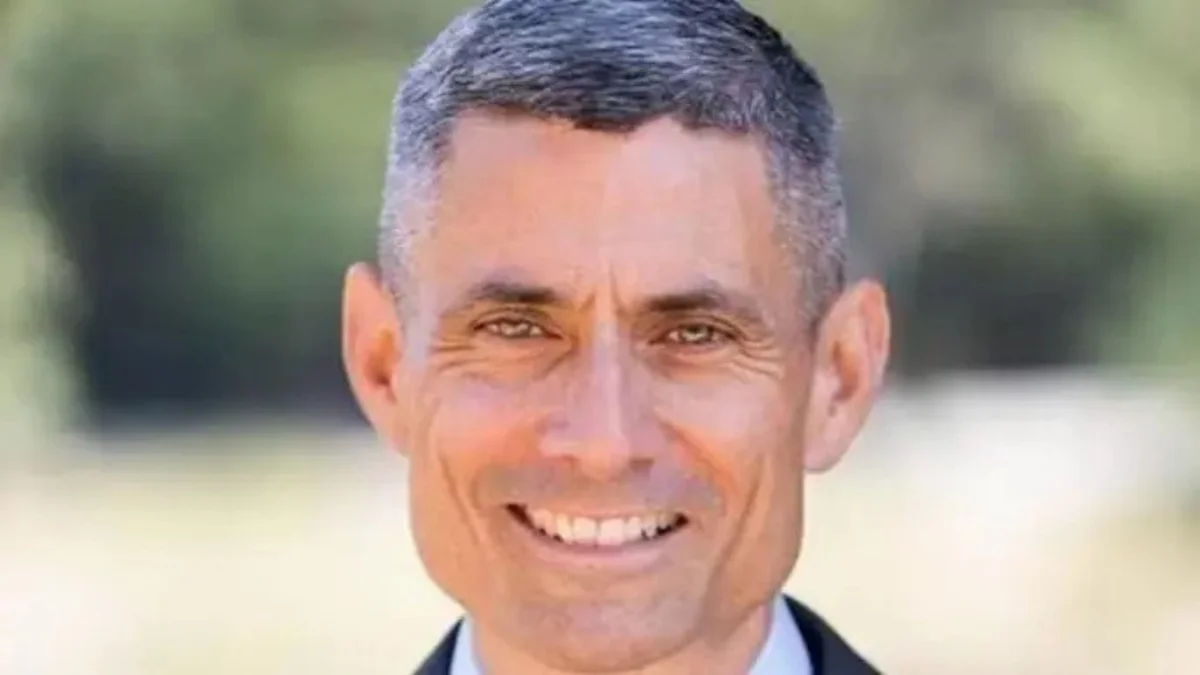
Despite the ongoing U.S. government shutdown, the Senate has confirmed Indian-American academic and policy expert S. Paul Kapur as the new Assistant Secretary of State for South Asian Affairs in a single en bloc vote. Kapur was among 107 nominees approved by the Senate on Tuesday.
Kapur takes over the role from Donald Lu, whose term concluded on January 17, 2025. Lu previously held the post of Assistant Secretary of State for South and Central Asian Affairs. Kapur’s confirmation marks a new chapter in U.S. foreign policy engagement with South Asia, as he steps into the role at a time of significant geopolitical tension and strategic realignment in the Indo-Pacific.
Background and Expertise
Nominated earlier this year by former President Donald Trump, Kapur is a seasoned expert on South Asian security and Indo-Pacific geopolitics. He is currently a professor at the U.S. Naval Postgraduate School’s Department of National Security Affairs and has previously served on the State Department’s Policy Planning Staff. He is also affiliated with Stanford University’s Hoover Institution as a visiting fellow.
Kapur holds a PhD from the University of Chicago and a BA from Amherst College, and has previously taught at Claremont McKenna College. His academic and policy work focuses on nuclear deterrence, Islamist militancy, and the security architecture of South Asia.
Personal and Diplomatic Outlook
Born in New Delhi to an Indian father and American mother, Kapur expressed a deep sense of purpose during his Senate confirmation hearing. “Appearing before you, I can’t avoid the feeling of having come full circle,” he said. “Though I grew up in the U.S., returning to work on issues tied to the region of my birth is profoundly meaningful.”
Kapur emphasized the importance of U.S.-India relations, saying the two countries share key strategic interests such as maintaining a free and open Indo-Pacific, enhancing trade and technology partnerships, and ensuring energy security to fuel economic growth.
Regional Focus and Policy Priorities
Known for his critical perspective on Pakistan’s security policies, Kapur has long highlighted the risks posed by cross-border militancy and nuclear escalation in the region. However, he signaled a pragmatic approach during his testimony.
Strategic Implications
Kapur’s confirmation comes at a time when the U.S. is recalibrating its foreign policy posture in Asia, amid rising tensions in the South China Sea, border conflicts in South Asia, and the evolving Afghanistan situation. His appointment is expected to bring renewed focus to long-standing U.S. commitments in the region and strengthen strategic engagement with South Asian partners.